I love Germany’s railway system, making it easy to travel between major town & cities all over Germany. Even nearby countries! We took the 6 hr train fr Berlin to Warsaw as our EasyJet flight was cancelled. [If you want to check what we did in Poland, click https://wp.me/p6Rls5-td ]
Not a surprise as it is home to some of the most popular car manufacturers such as Audi, Volkswagen, BMW and Mercedes-Benz.
We made Berlin as base and expored nearby cities of Dresden, Hamburg, Leipzig and Potsdam.
Read on the places of interest we visited. Most description of the places we’ve been to were lifted from Wikipedia😊
Berlin
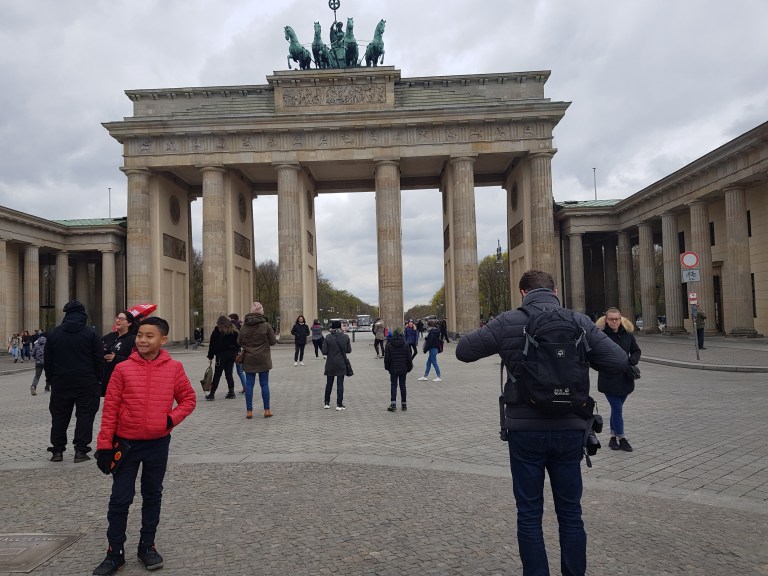
1. The Brandenburg Gate, one of the best-known landmarks in Germany. It is an 18th-century neoclassical monument in Berlin.
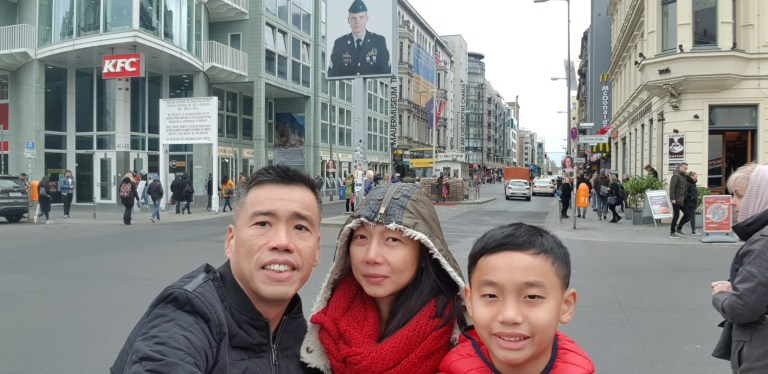
2. Checkpoint Charlie was a crossing point in the Berlin Wall located at the junction of Friedrichstraße with Zimmerstraße and Mauerstraße (which for older historical reasons coincidentally means ‘Wall Street’). Checkpoint Charlie was designated as the single crossing point (by foot or by car) for foreigners and members of the Allied forces.
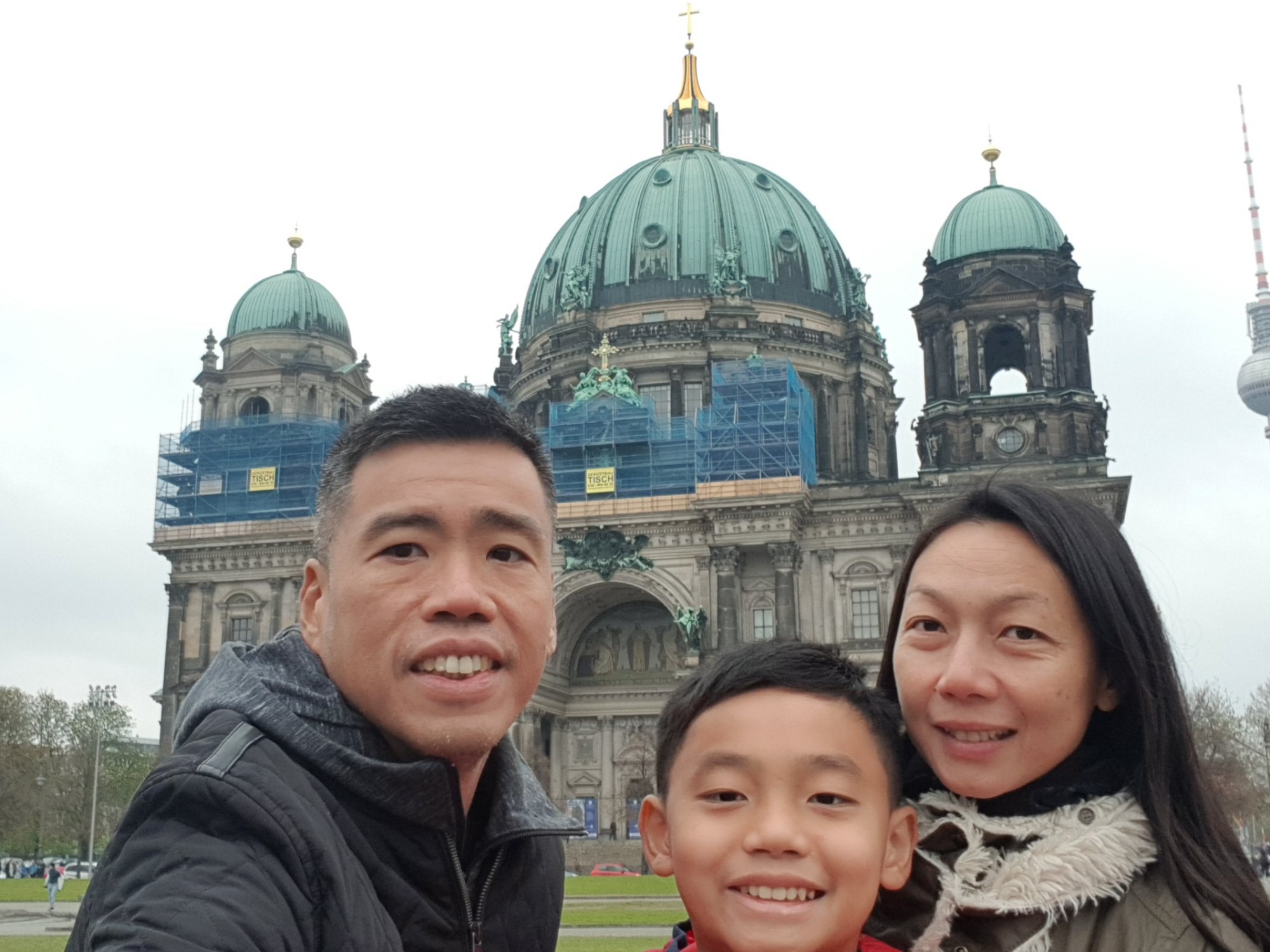
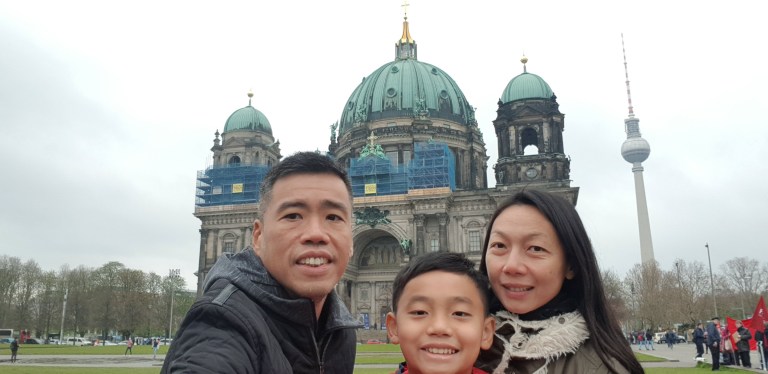
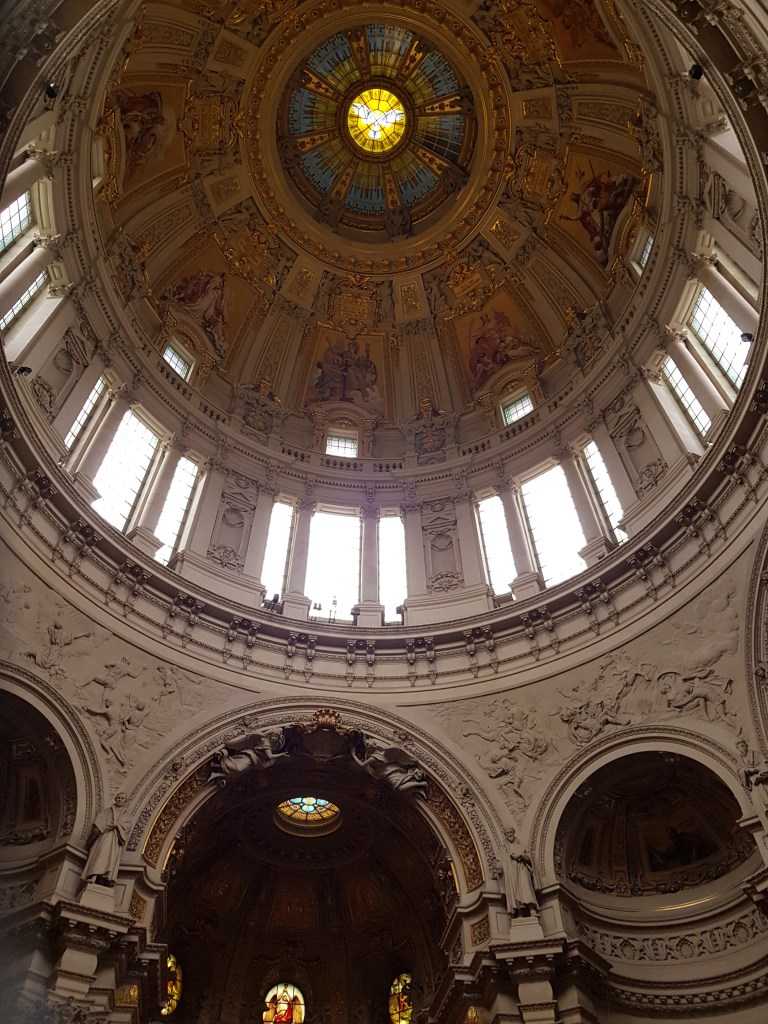
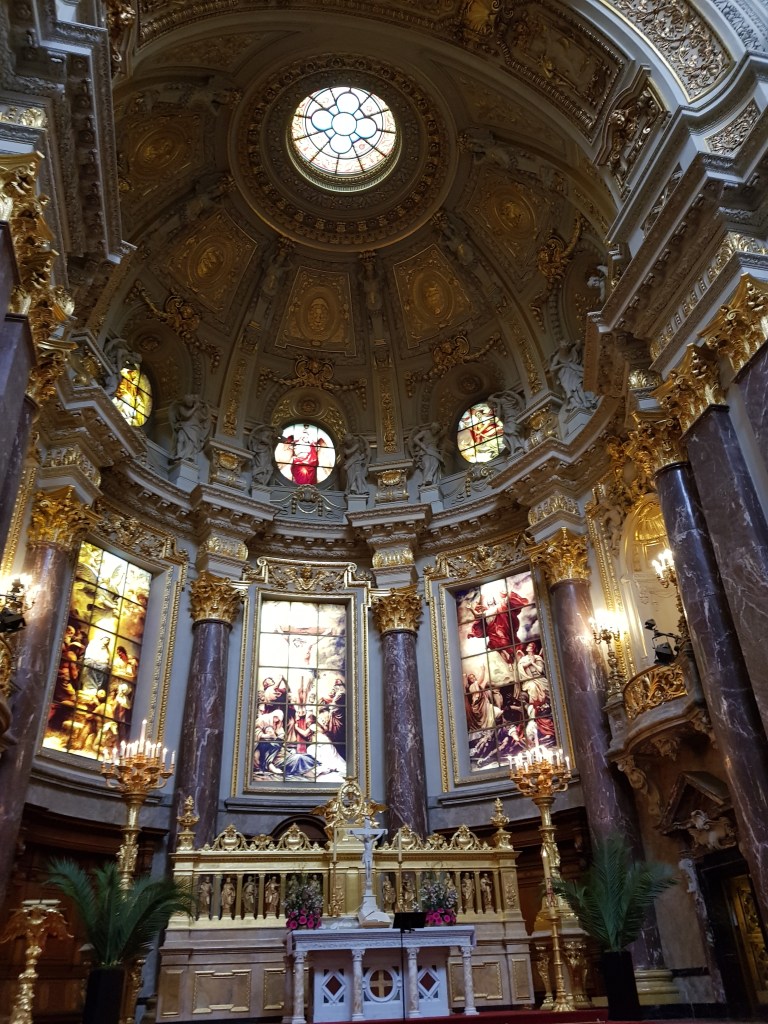
3. Berlin Cathedral
With its elaborate decorative and ornamental designs, the church interior is especially worth seeing.
Yet although the church is knowns a cathedral, it actually has the status of a parish church – though not just any parish. This was the court church to the Hohenzollern dynasty, the rulers of Prussia and later the German Emperors.
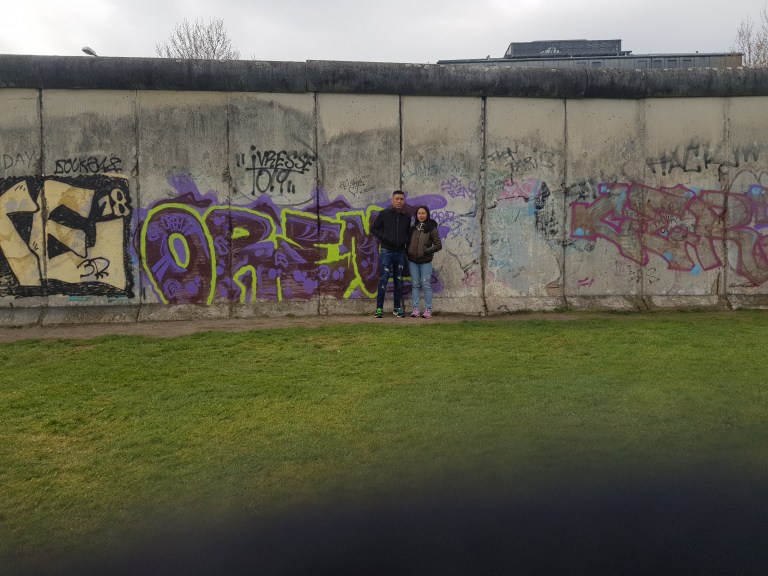
4. Berlin Wall memorial
What was once the border strip is now a place of remembrance. The Berlin Wall memorial gives you a moving insight into the division of Berlin.
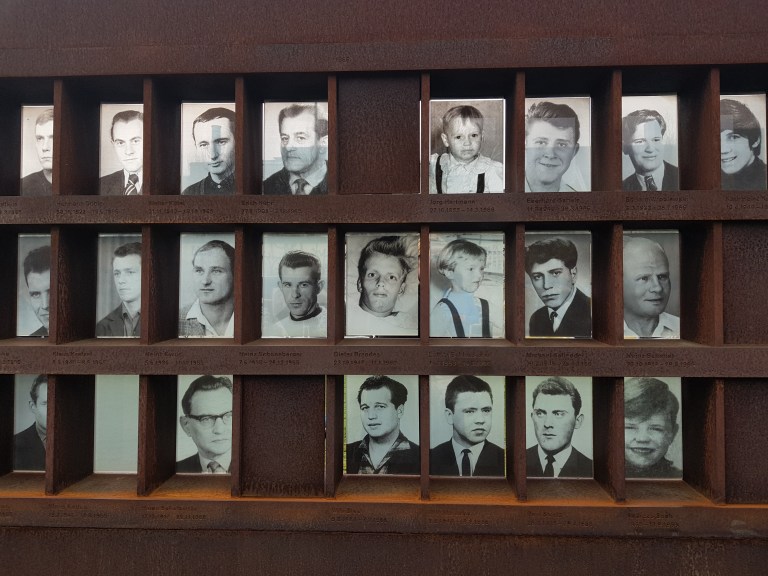
The Window of Memorial on the site portrays the 130 people who were shot or died on the Berlin Wall.
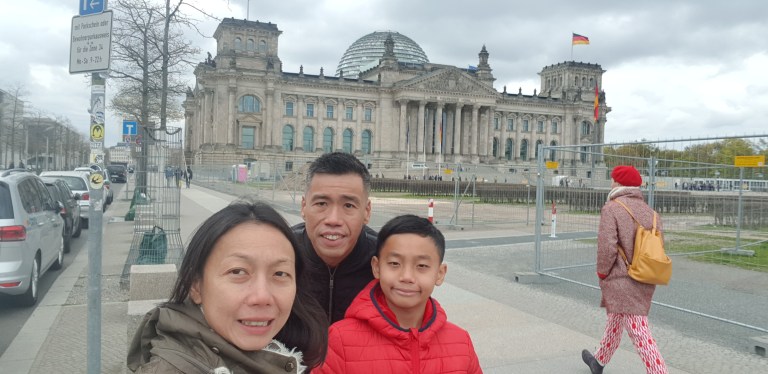
5. Reichstag building is a historic edifice in Berlin, constructed to house the Imperial Diet.
Noticeable is the inscription in the building ‘Dem deutschen Volke’, meaning ‘To the German people’.
Dresden
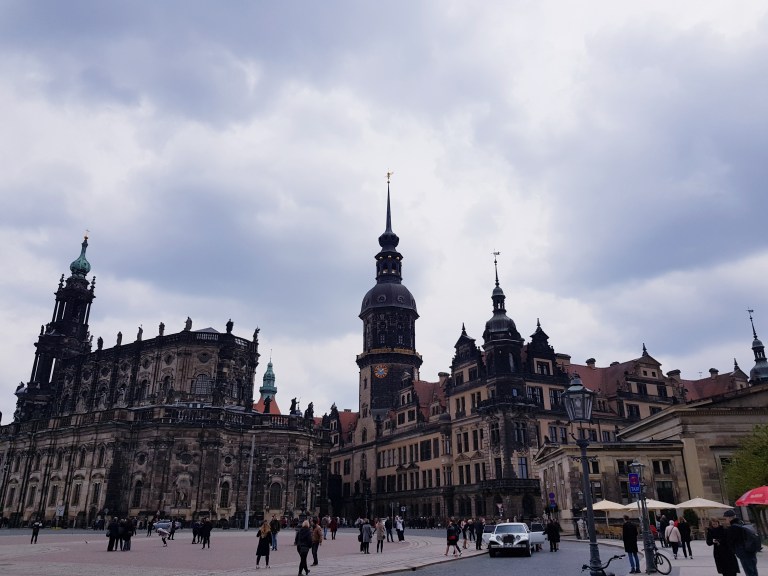
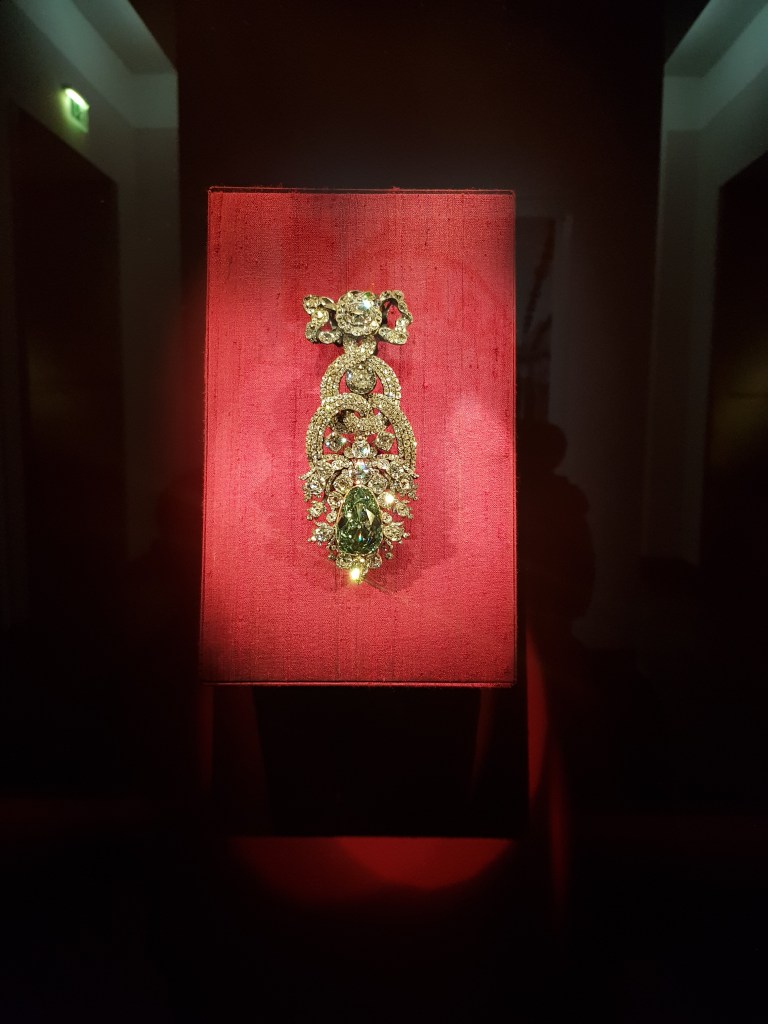
2.5 hrs by train, weve set our sight on Dresden Castle or Royal Palace. It is one of the oldest buildings in Dresden, Germany. For almost 400 years, it was the residence of the electors (1547–1806) and kings (1806–1918) of Saxony of the Albertine line of the House of Wettin. It is known for the different architectural styles employed, from Baroque to Neo-renaissance.
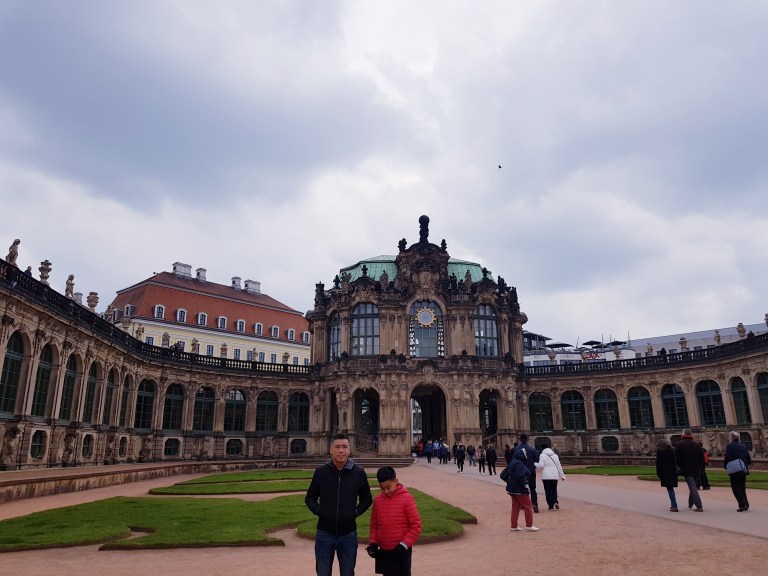
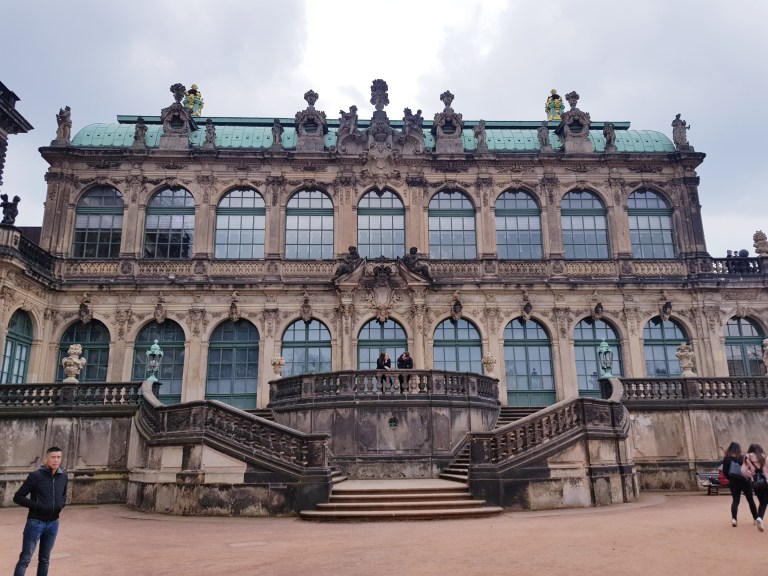
The Zwinger is a palace built in Baroque style and designed by court architect Matthäus Daniel Pöppelmann.
The name derives from the German word Zwinger (an enclosed killing ground in front of a castle or city gate); it was for the cannons that were placed between the outer wall and the major wall.
Hamburg
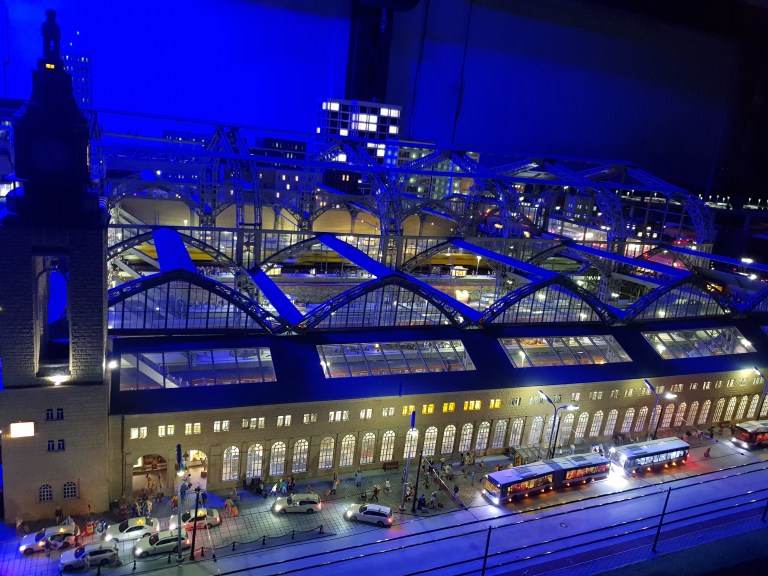
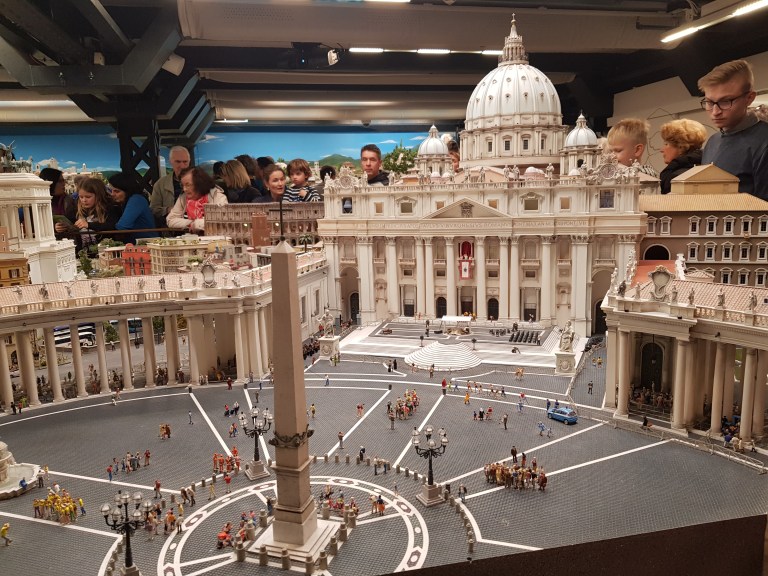
If you have kids, the Miniatur Wunderland is a must see. The model railway attraction in Hamburg is the largest of its kind in the world.
Not only did my son enjoyed our visit here, equally happy too was my husband. Check out the cool lifelike creations below.
Leipzig
The historic Bose House, the present site of the Leipzig Bach Archive and the Bach Museum, is one of the oldest buildings on the square outside St Thomas’s Church. In Bach’s day it was the residence of the Bose family – affluent merchants and close friends of the Bachs. The Bach family lived just across the street in the old St Thomas’s School (which was demolished in 1902).
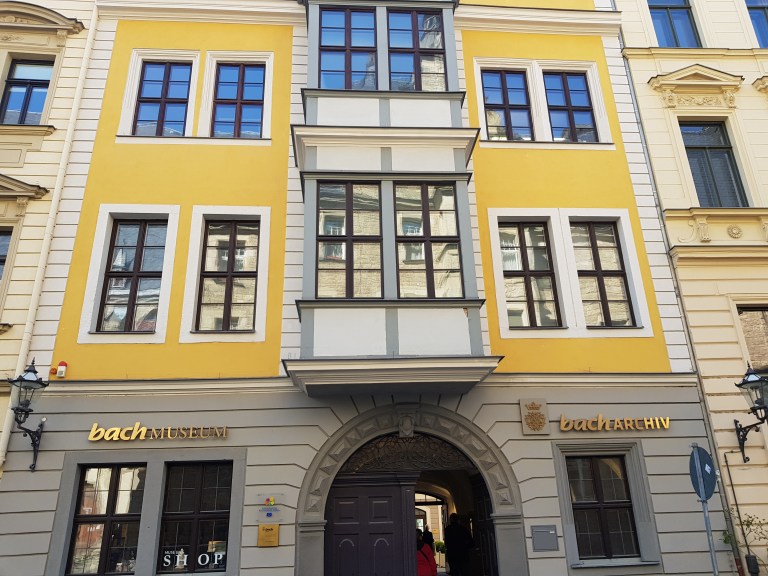
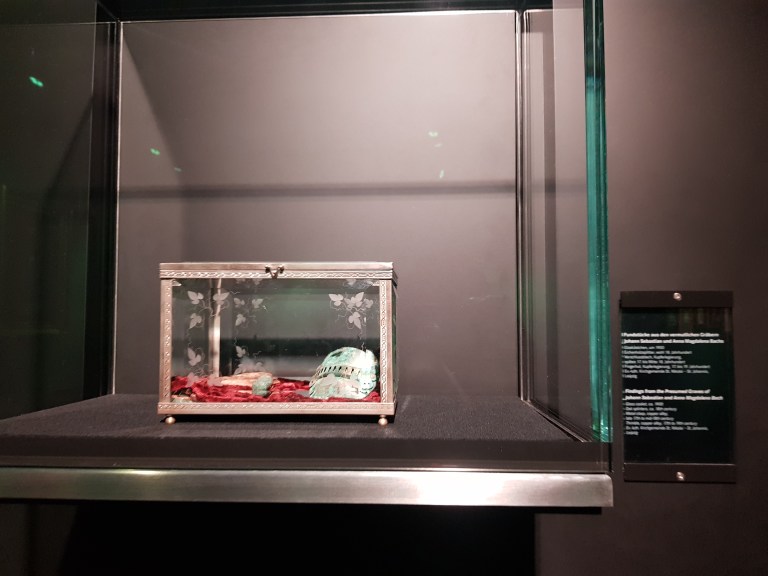
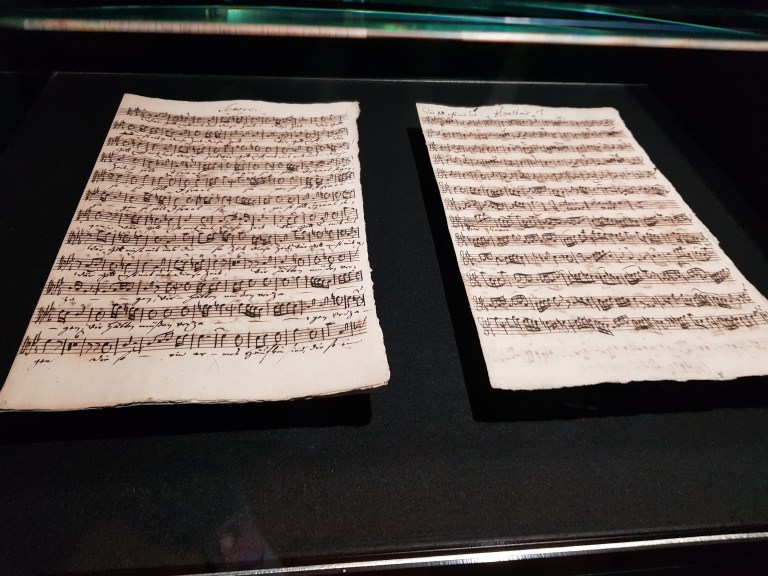
Adjacent to the Bach museum is St. Thomas Church. It is associated with a number of well-known composers such as Richard Wagner and Felix Mendelssohn Bartholdy, but mostly with Johann Sebastian Bach who worked here as a Kapellmeister (music director) from 1723 until his death in 1750. Today, the church also holds his remains. Martin Luther preached here in 1539.
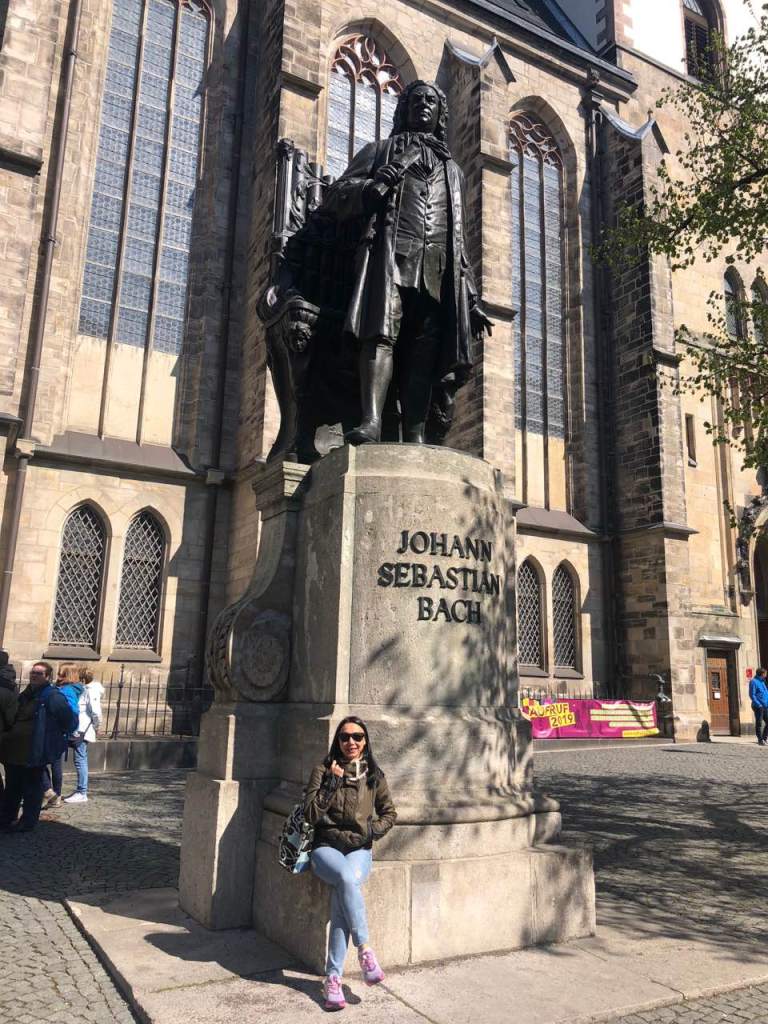
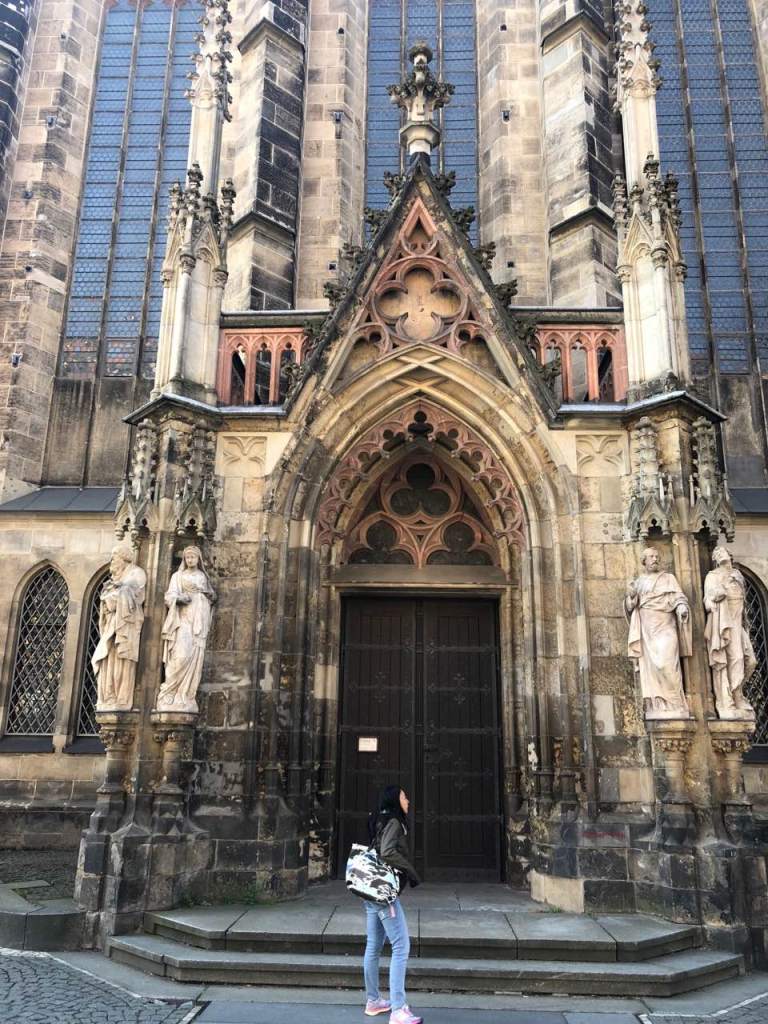
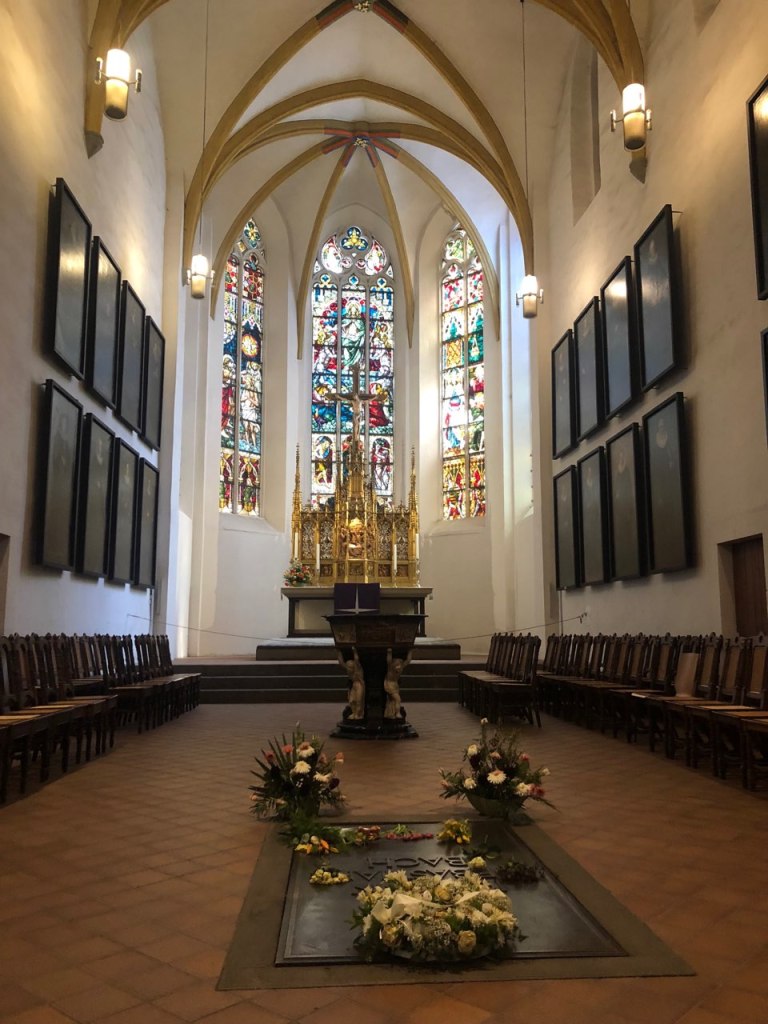
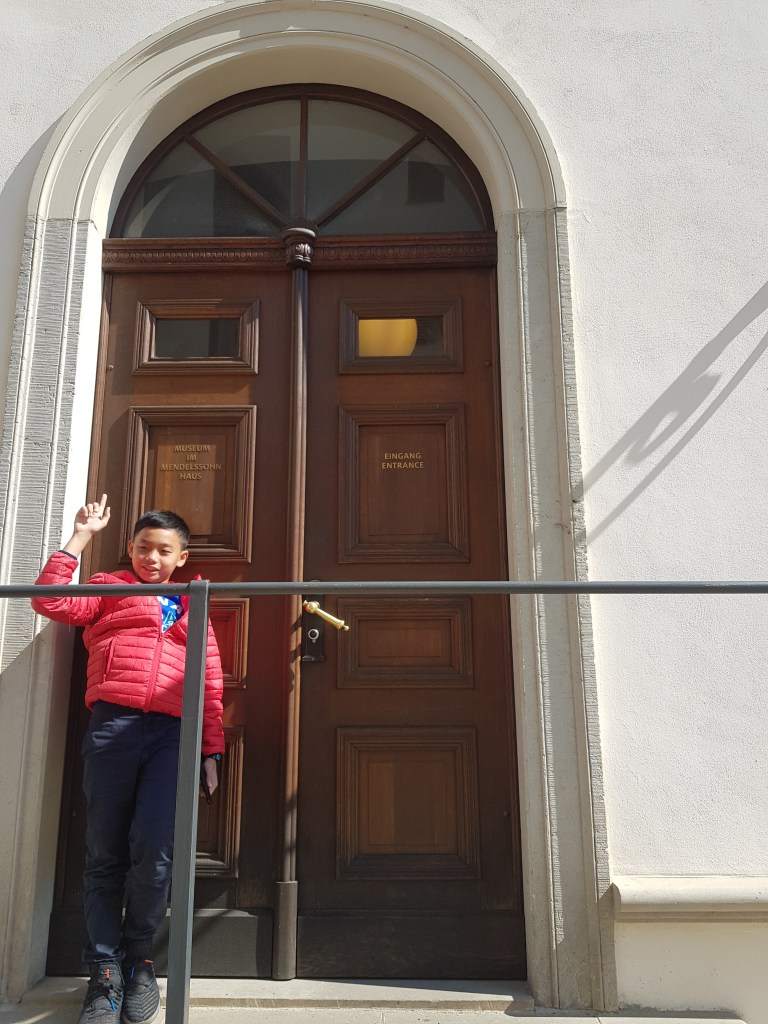
From one composer to another, we also visited Mendelssohn House located at Mendelssohn’s last surviving private address in Leipzig.
The late Biedermeier period apartment has housed a museum since 1997. It was first occupied by the family in 1845 and has been restored to look as it would have done in the musician’s lifetime. The living room features the composer’s original furniture as well as countless watercolours and letters.
St. Nicholas Church is one of the major churches of central Leipzig, Germany.
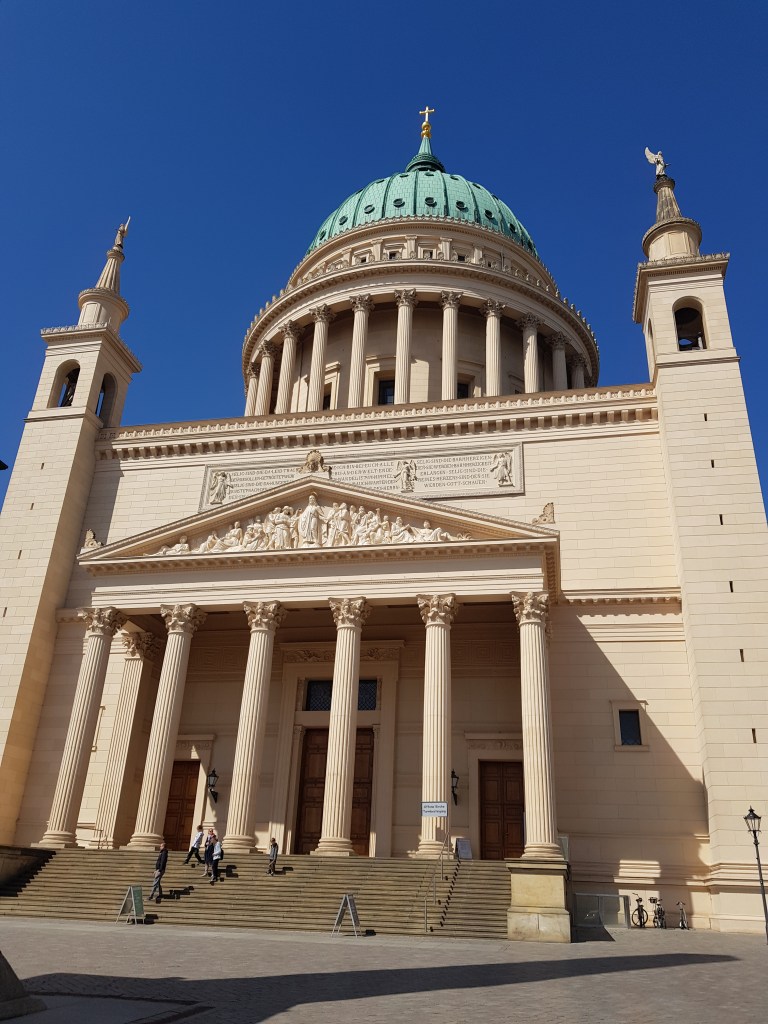
In the 18th century, several works by Johann Sebastian Bach, who was the music director of Nikolaikirche and of St. Thomas Churchfrom 1723–50, premiered here. The Neoclassical interior dates to the late 18th century.
Potsdam
Potsdam is a charming city, less than 30 min train ride from Berlin.
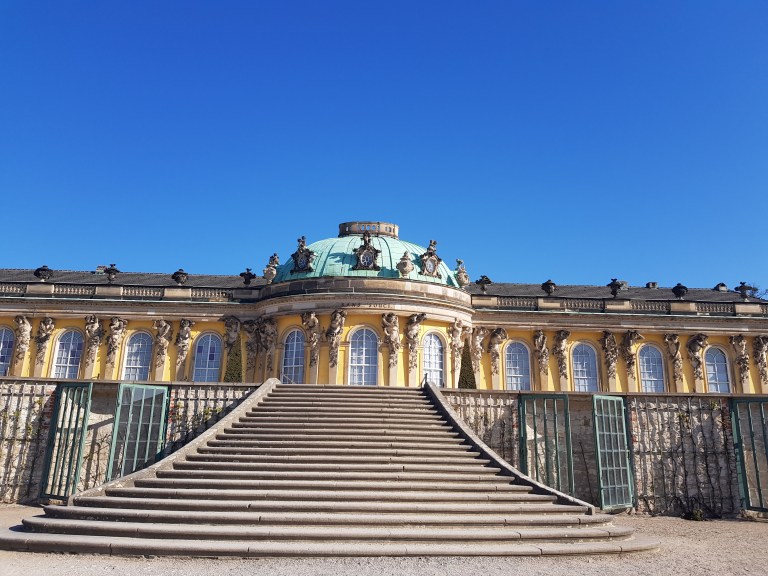
Perhaps it’s most famous landmark is the Sanssouci, the summer palace of Frederick the Great, King of Prussia. It is often counted among the German rivals of Versailles. While Sanssouci is in the more intimate Rococostyle and is far smaller than its French Baroque counterpart, it too is notable for the numerous temples and follies in the park. The palace was designed/built by Georg Wenzeslaus von Knobelsdorff between 1745 and 1747 to fulfill King Frederick’s need for a private residence where he could relax away from the pomp and ceremony of the Berlincourt. The palace’s name emphasises this; it is a French phrase (sans souci), which translates as “without concerns”, meaning “without worries” or “carefree”, symbolising that the palace was a place for relaxation rather than a seat of power.
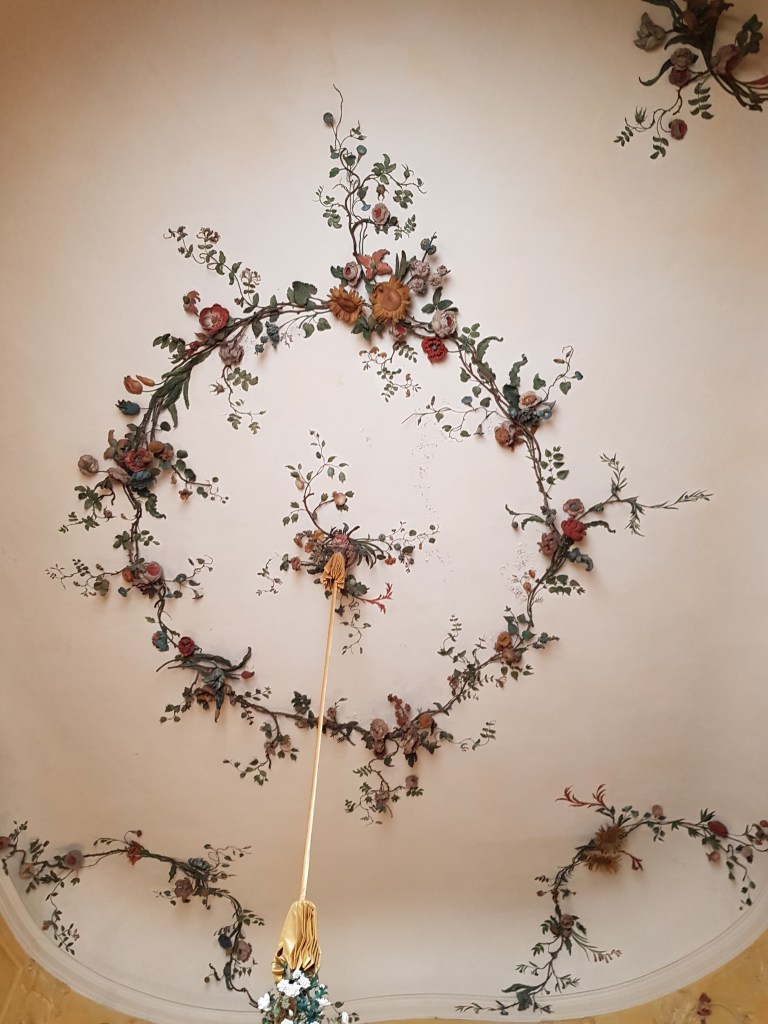
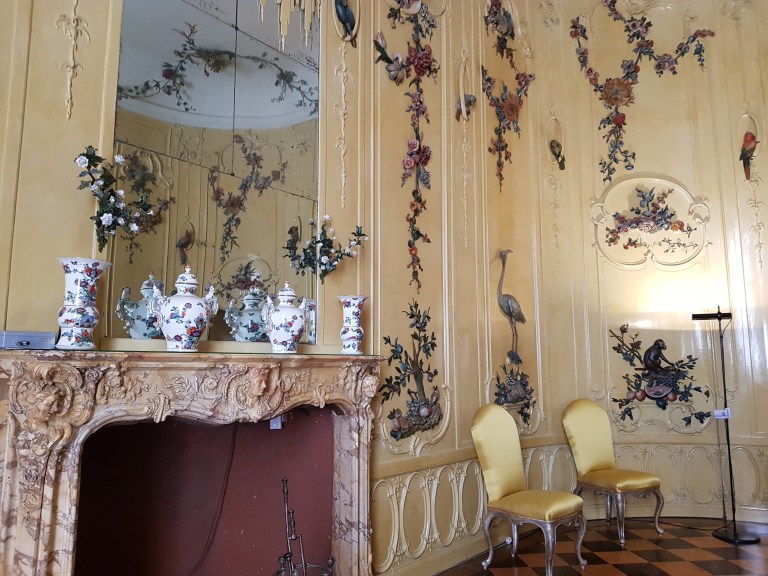
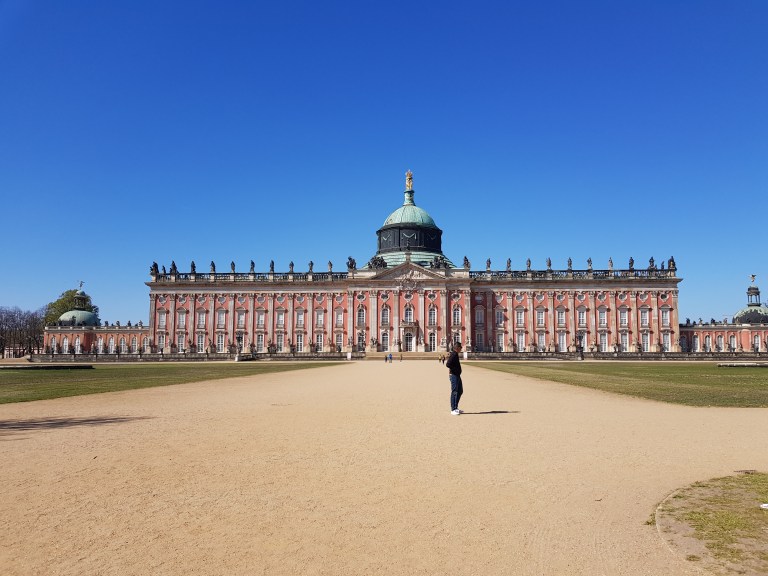
The New Palace is a palace situated on the western side of the Sanssouci park. The building was begun in 1763, after the end of the Seven Years’ War, under Frederick the Great and was completed in 1769. It is considered to be the last great Prussian Baroque palace.
I personally did not want to go to Germany at first as I thought it’s just an industrial country – factories all over, cold and dreary. Visiting for the second time says a lot as to what I think now of this country ❤
Check the link if you want to read about our visit in Munich and Cologne https://wp.me/p6Rls5-ou
 norhene