For this year’s summer trip, we wanted to explore less-touristy destinations and settled on Romania, Bulgaria—and since it’s summer, of course—Greece!
As always, Manny and I began by checking the top attractions in each country and planning our itinerary. Our adventure kicked off in Bucharest, the capital of Romania.
After landing, we took the bus from the airport to our rented apartment in the city. What a way to start our vacation—we got fined for not tapping our beep cards! 😂 The inspector told us we should have validated our cards as soon as we boarded. I asked if I could tap it then, but he refused and said, “It’s my job to catch fare dodgers.” I explained we had just arrived and were first-time tourists, but he wouldn’t budge. He quoted a penalty amount and said if we paid on the spot, it would be 80 RON per person. Hoping I had enough credit on my card, I swiped it and paid. He issued a receipt and gave us a stern lecture before hopping off the bus.
We finally reached our stop, found our apartment, and settled in.
Our apartment building’s lobby looked like a scene from a war movie— stark, simple and utilitarian.
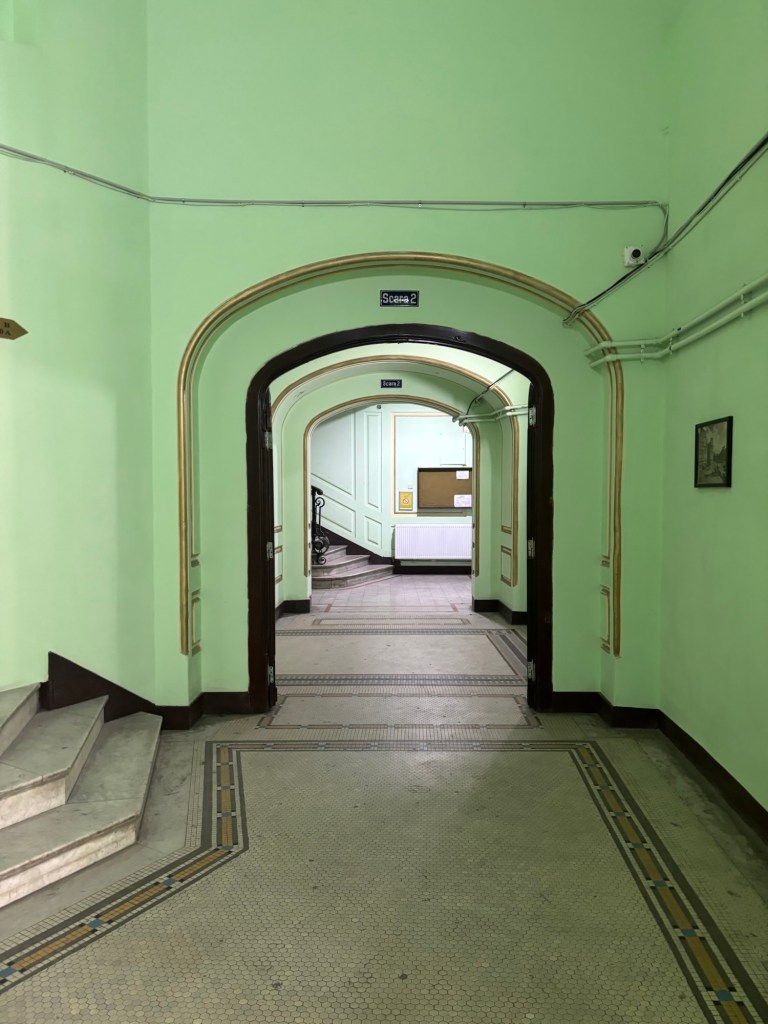
After a quick rest, we headed out to explore the neighborhood.
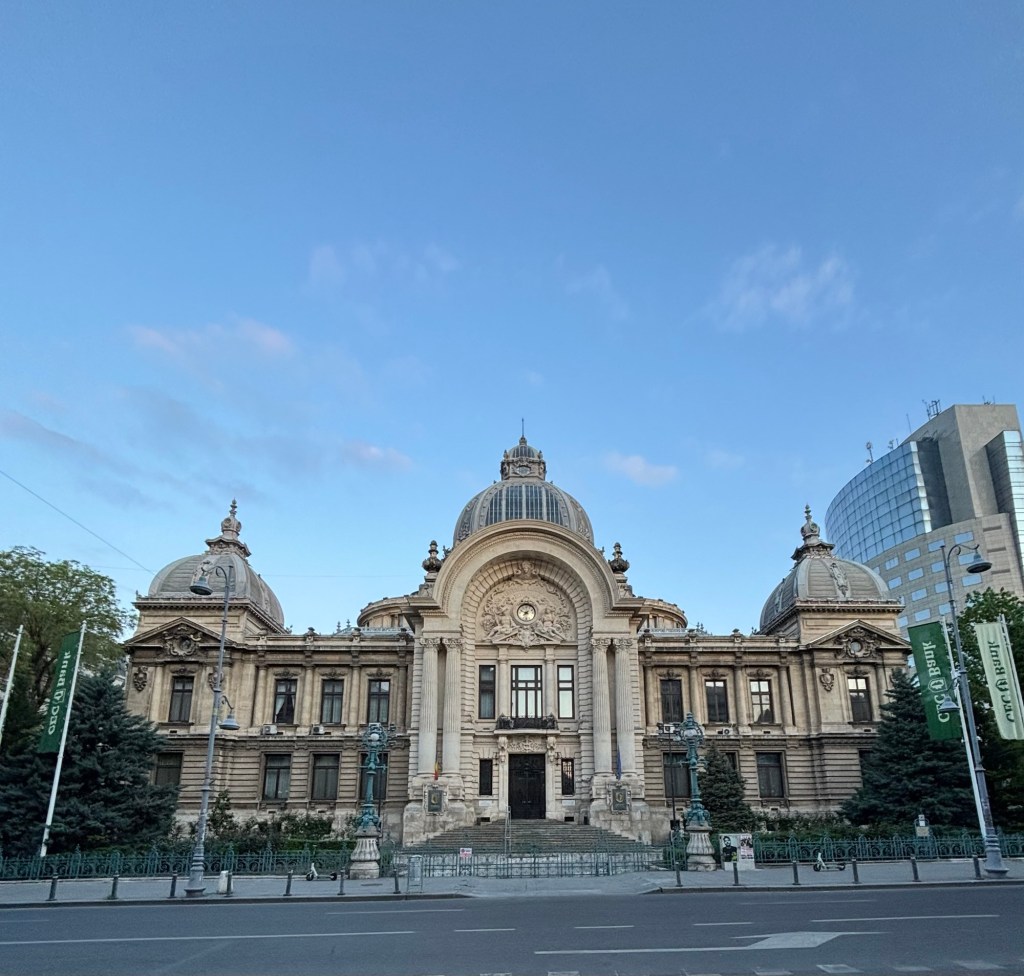
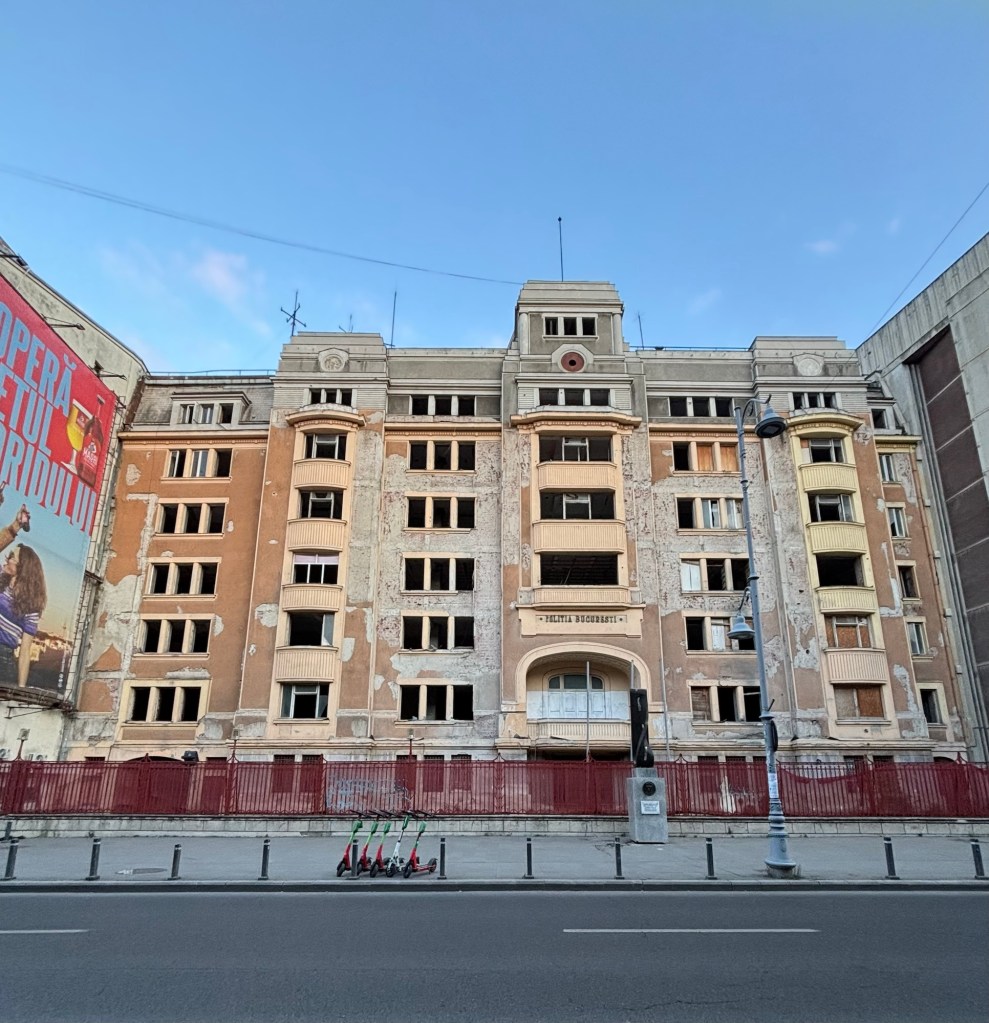
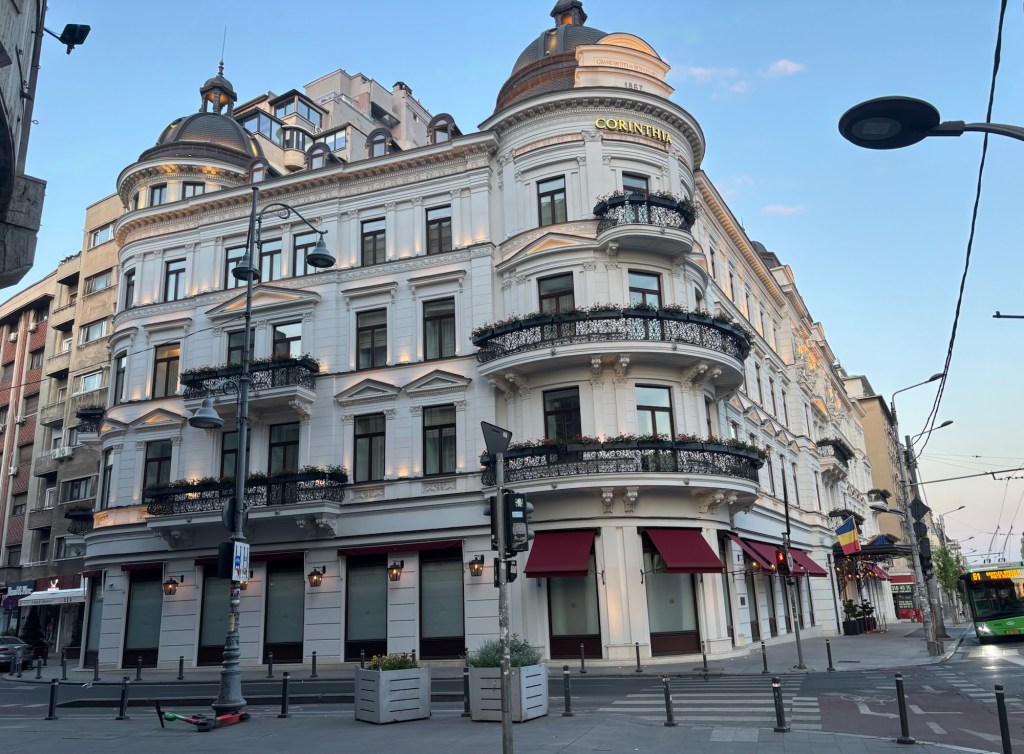
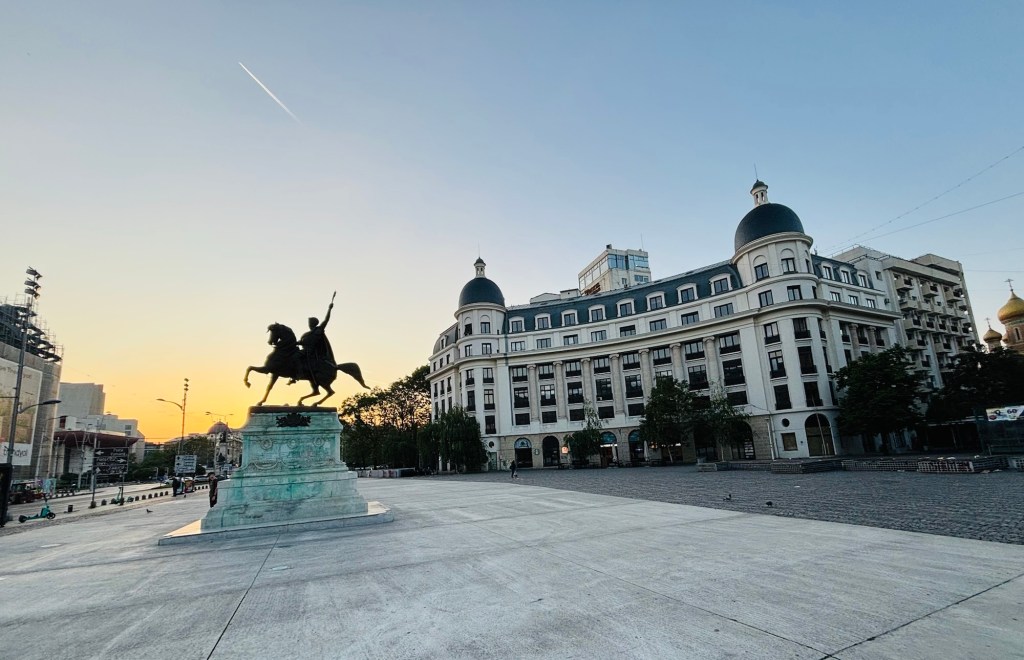
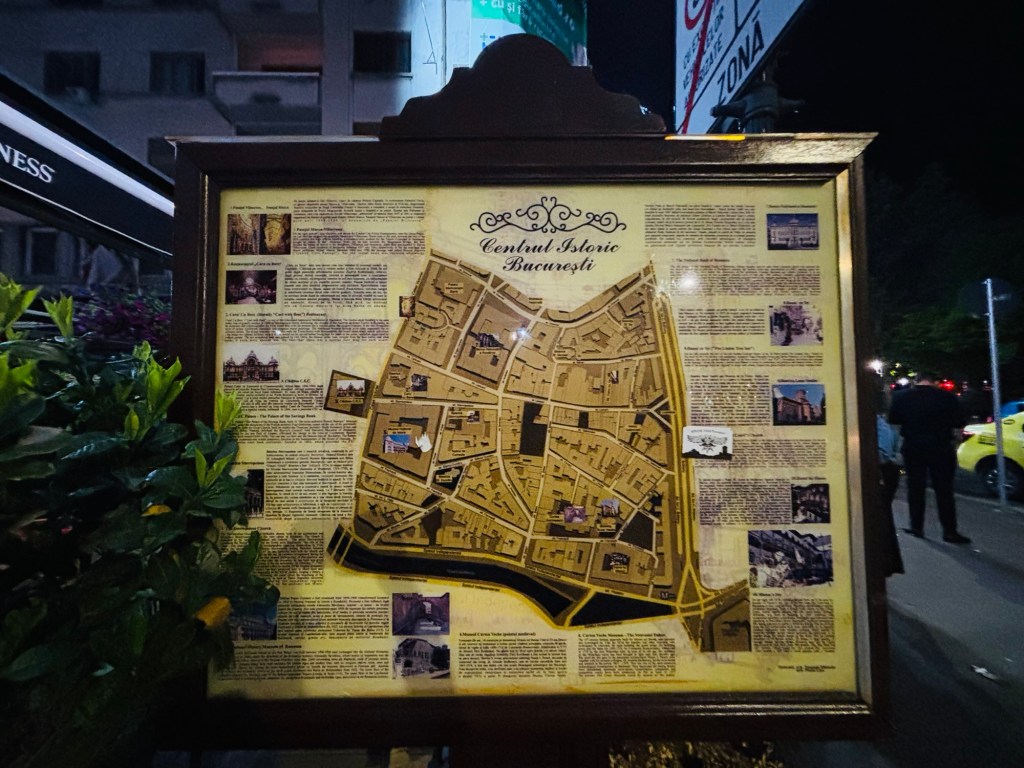
Walking along Calea Victoriei, it was easy to see why Bucharest is often called the “Paris of the East.” The Old Town was full of charm—a blend of history, local culture, and modern lifestyle. The buildings reflect a rich tapestry of history and culture, a mix of neoclassical grandeur, communist-era monoliths, and sleek modern architecture.
On our way into the city, we passed the Arcul de Triumf, built in 1935 and modeled after Paris’ Arc de Triomphe.
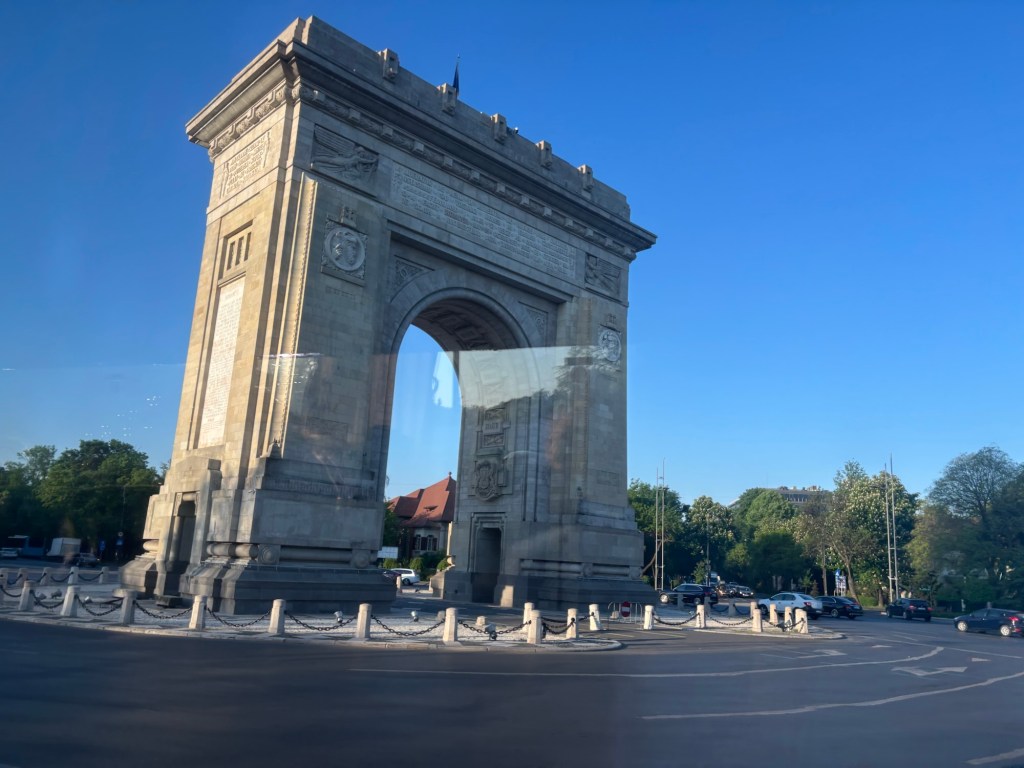
After a long day of travel and sightseeing, we called it an early night to prepare for the next day’s adventure.
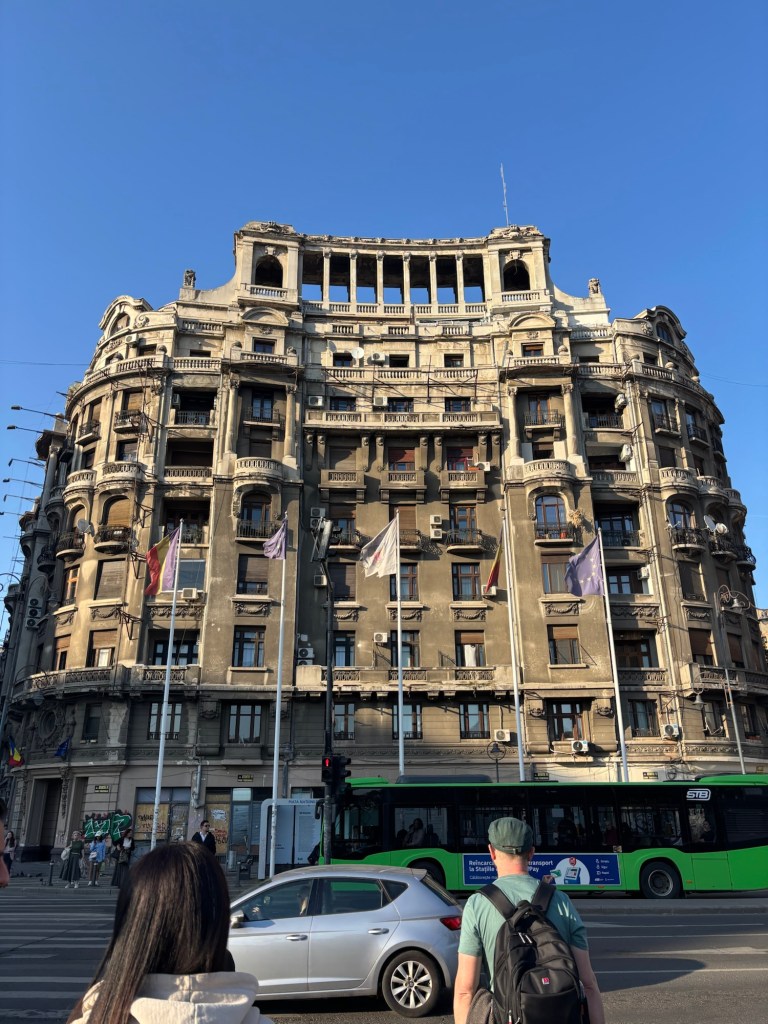
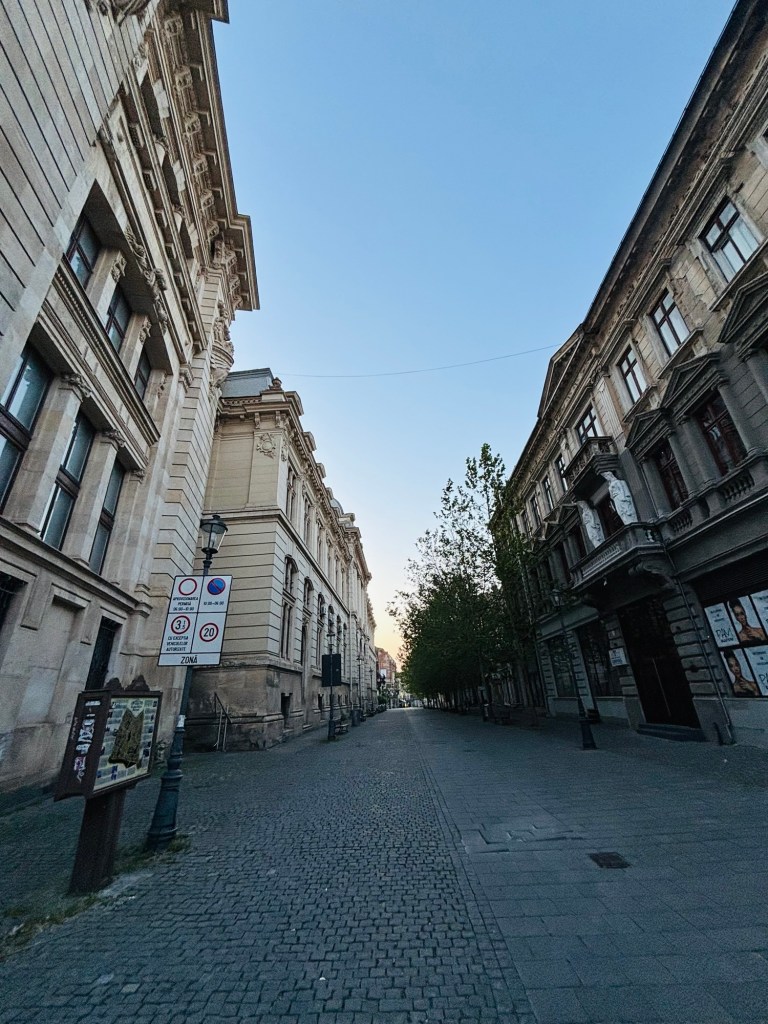
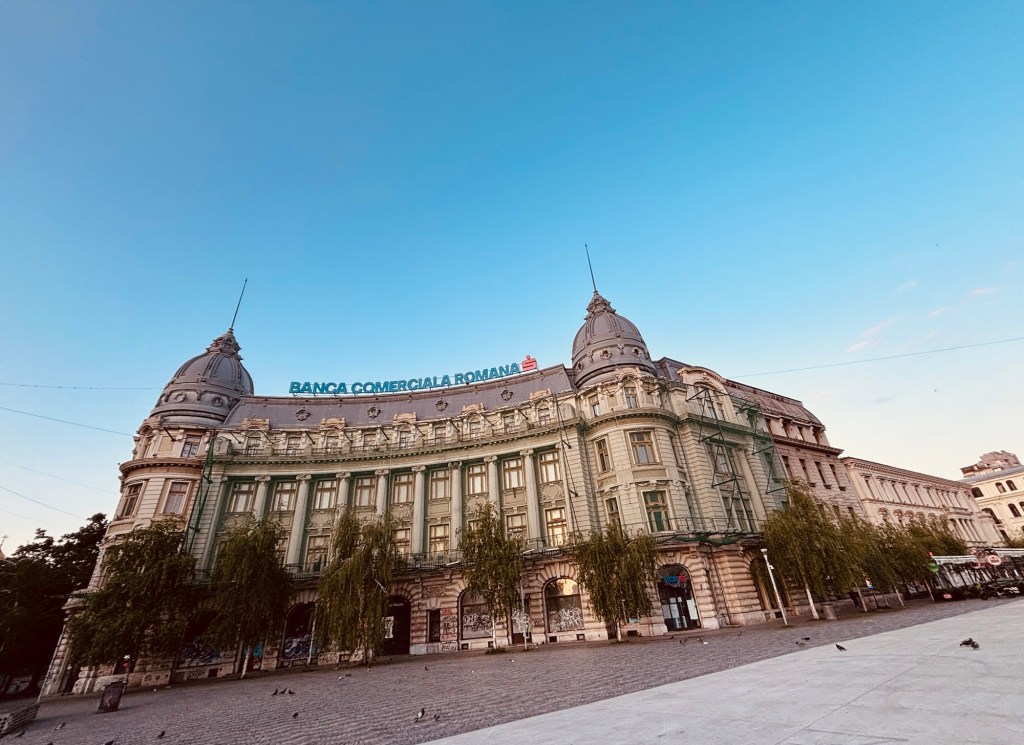
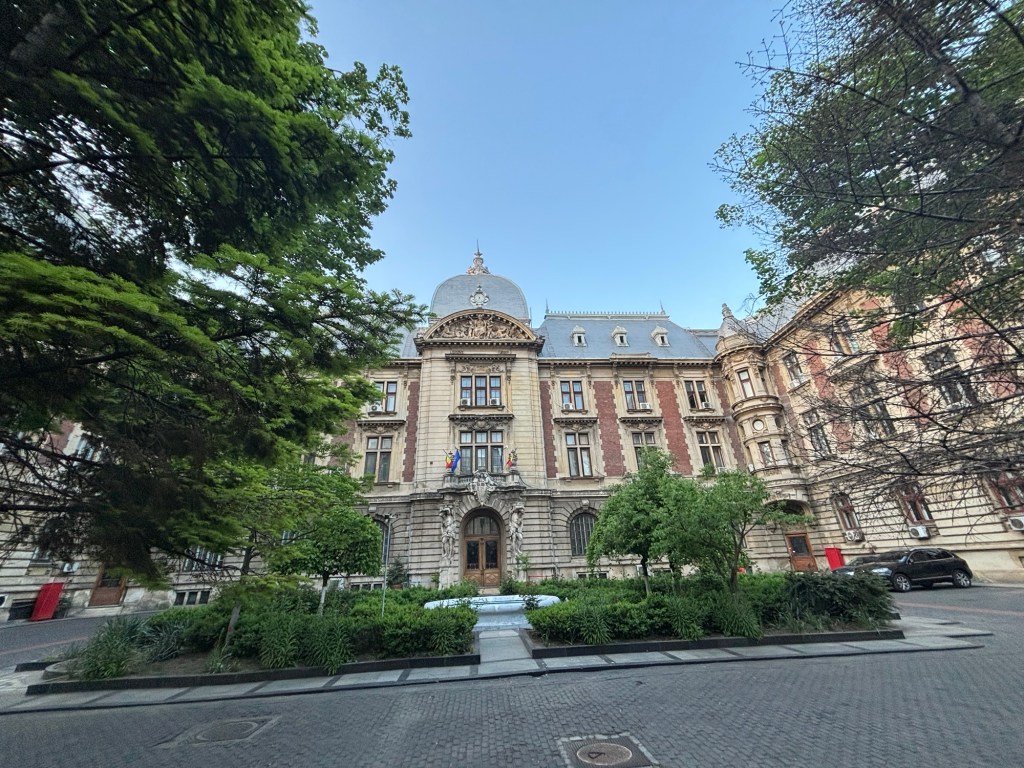
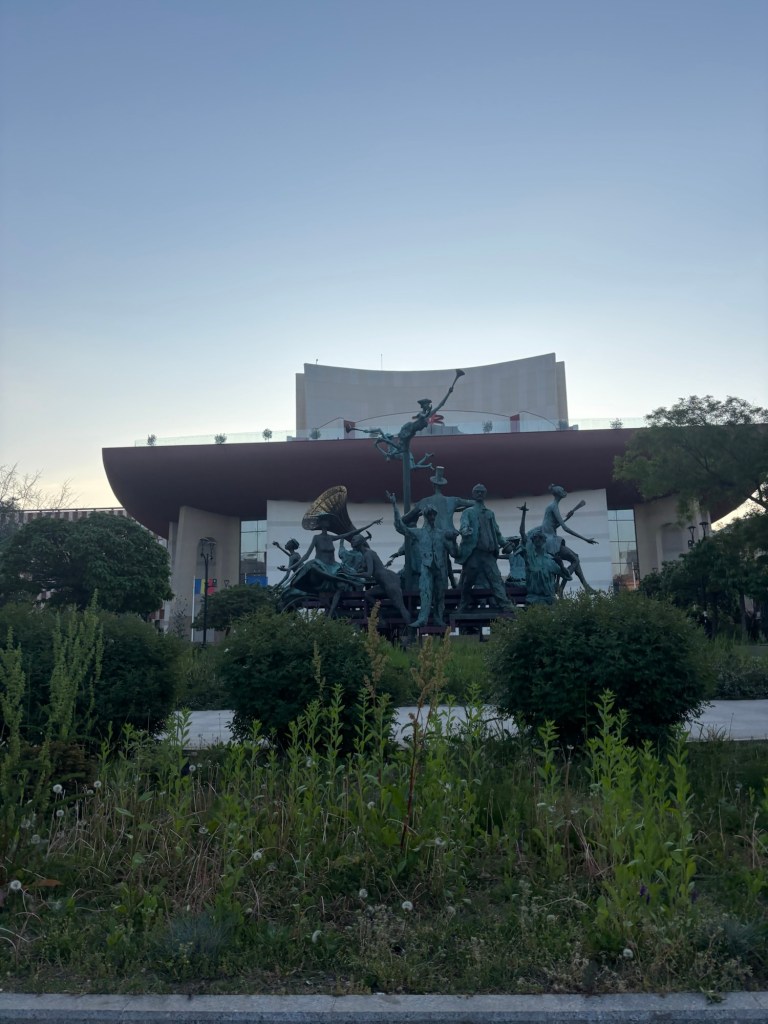
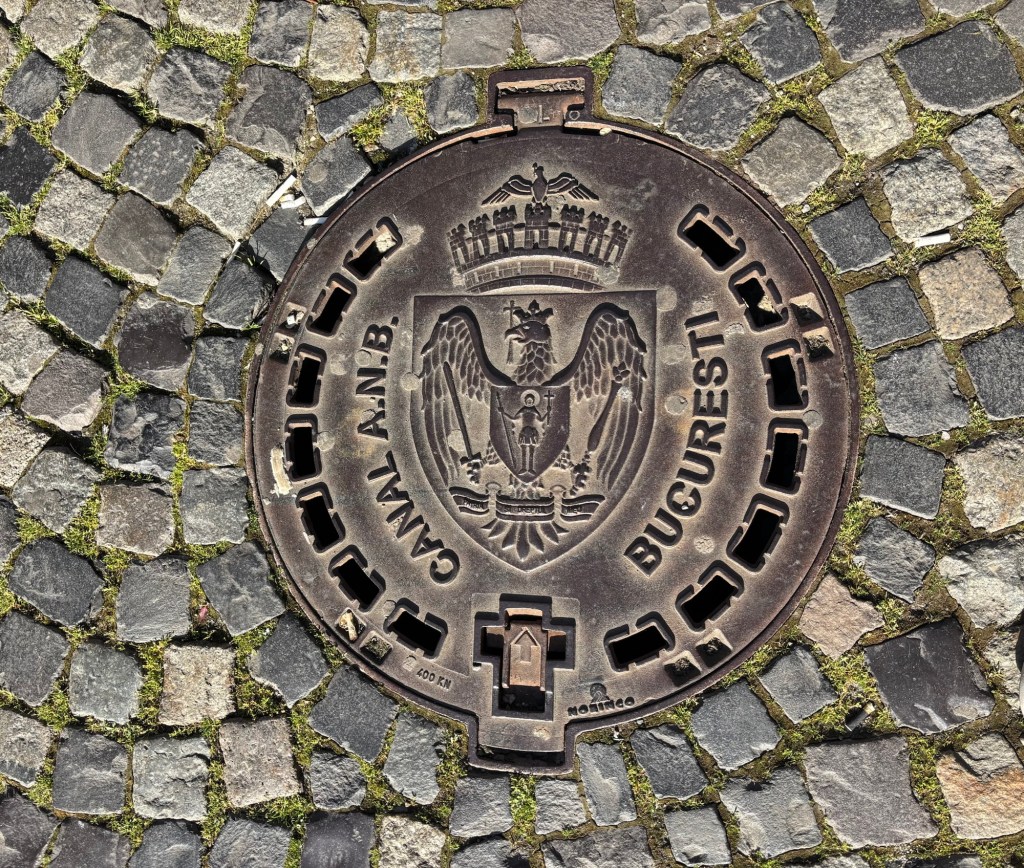
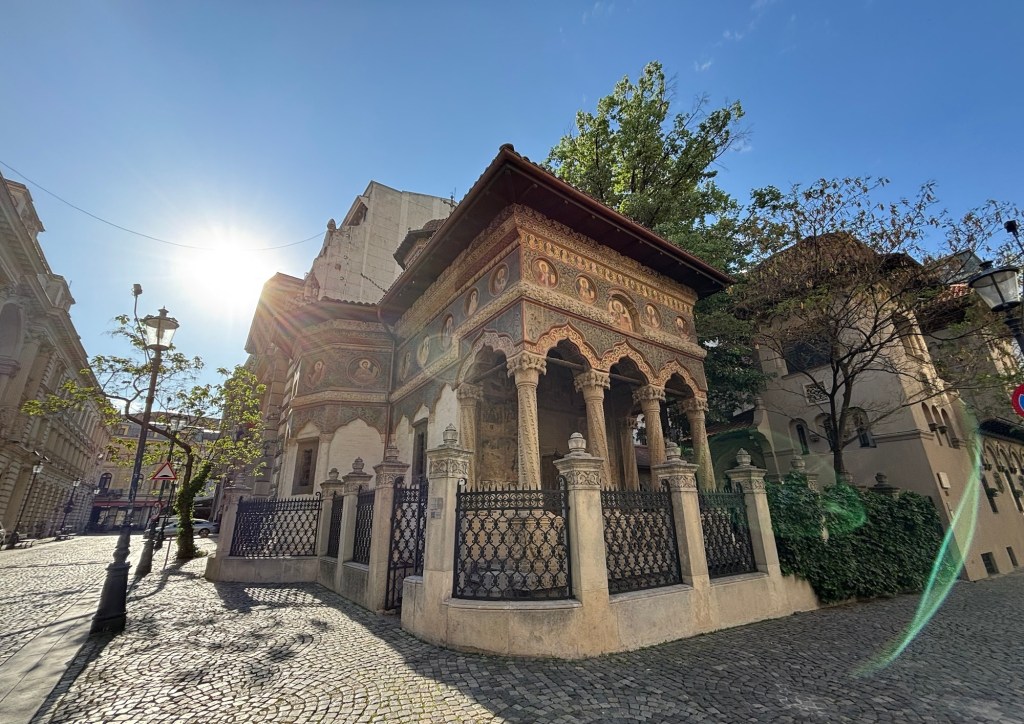
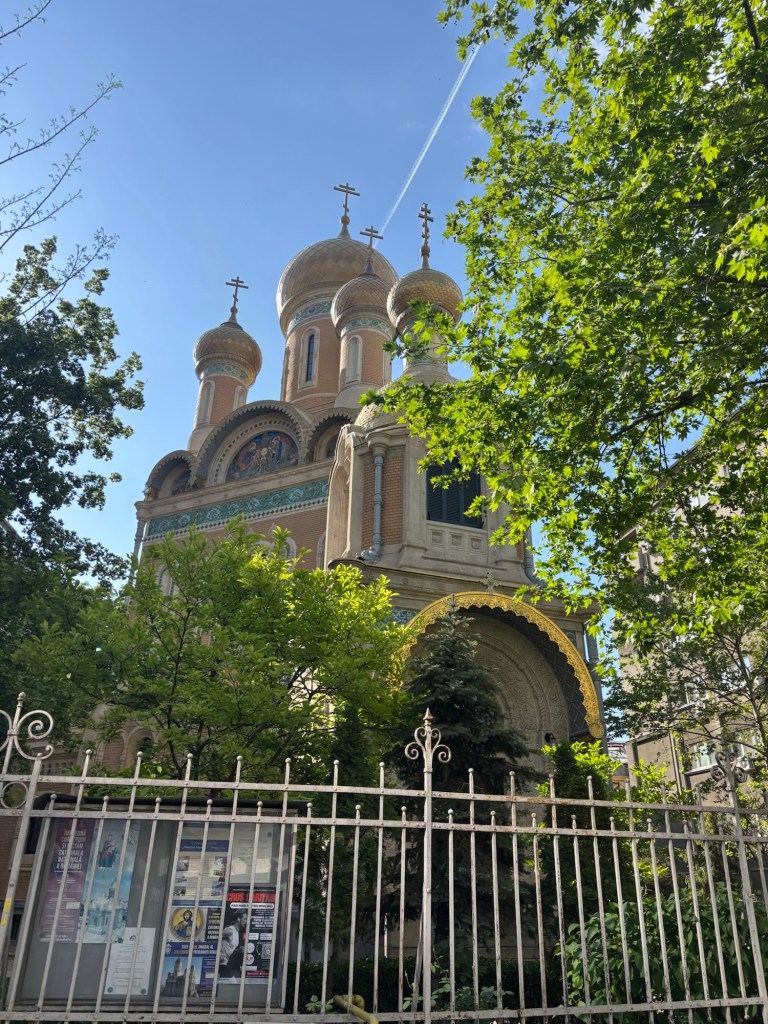
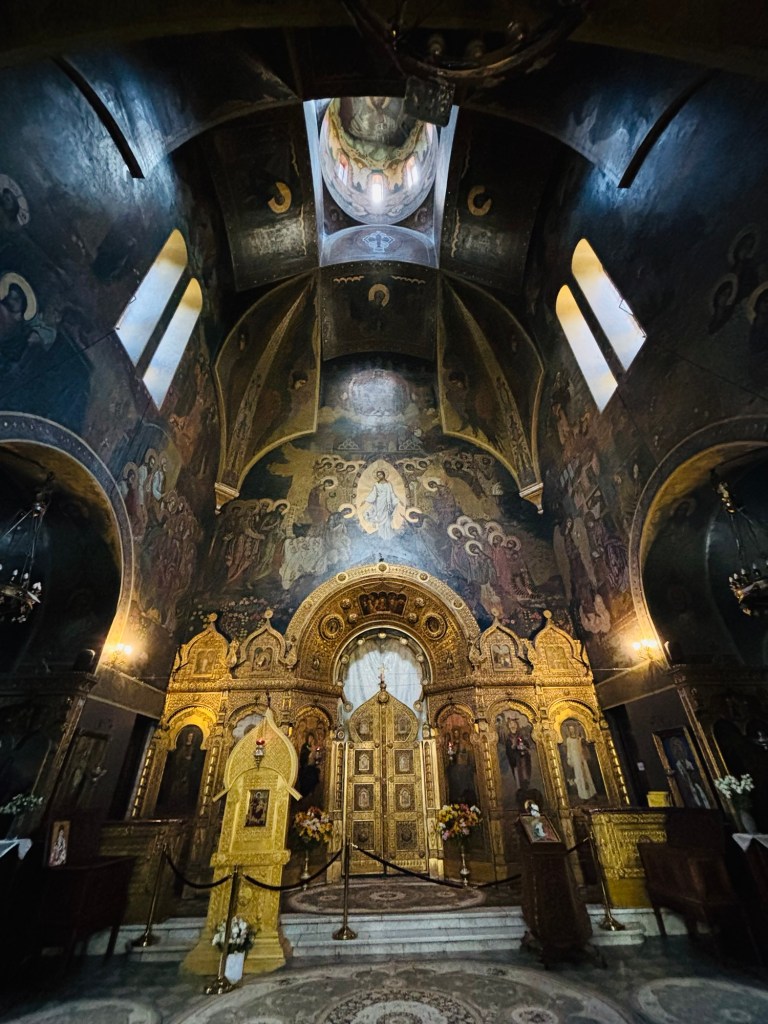
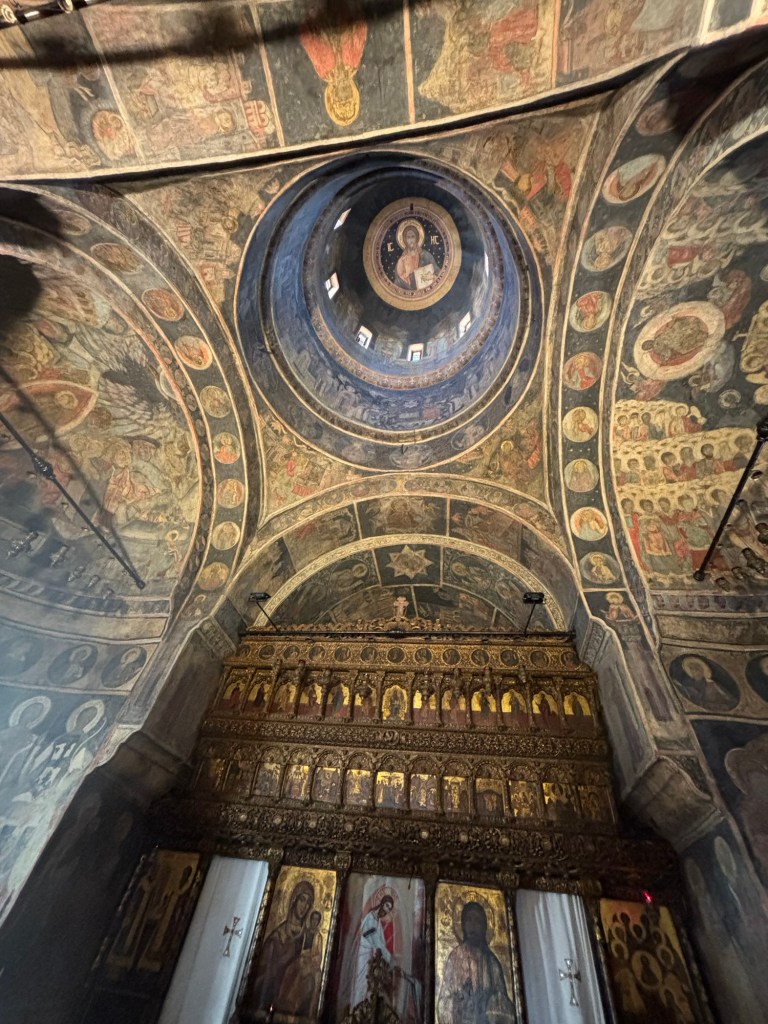
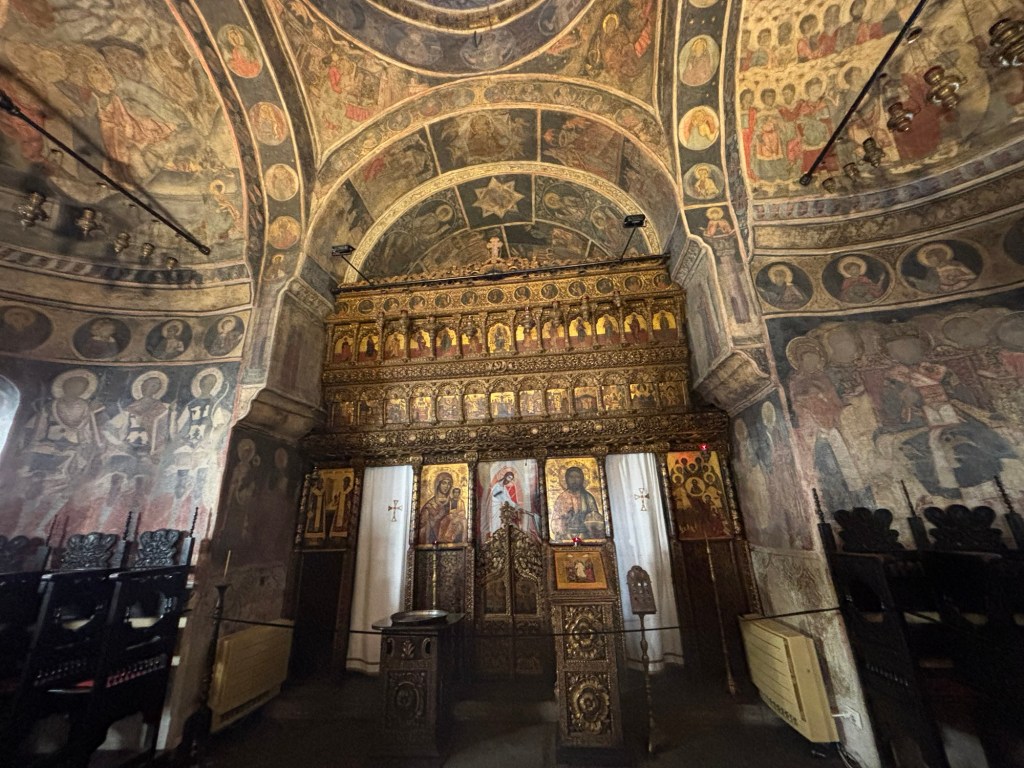
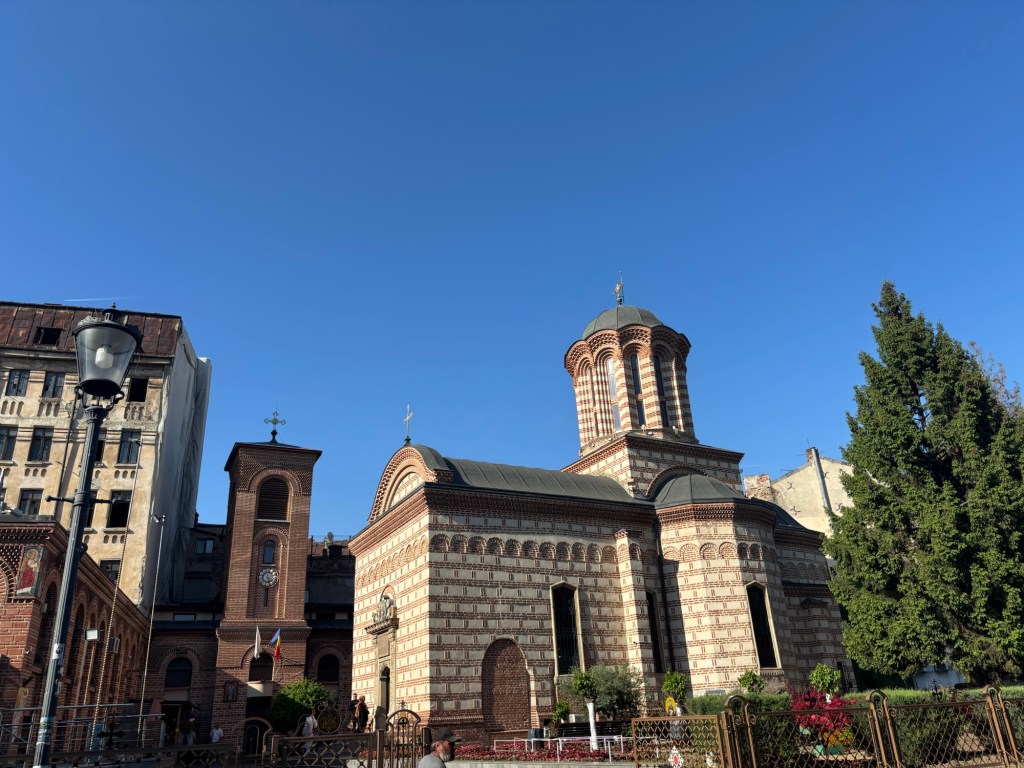
Like many European cities, Bucharest’s Old Town is home to numerous charming churches.
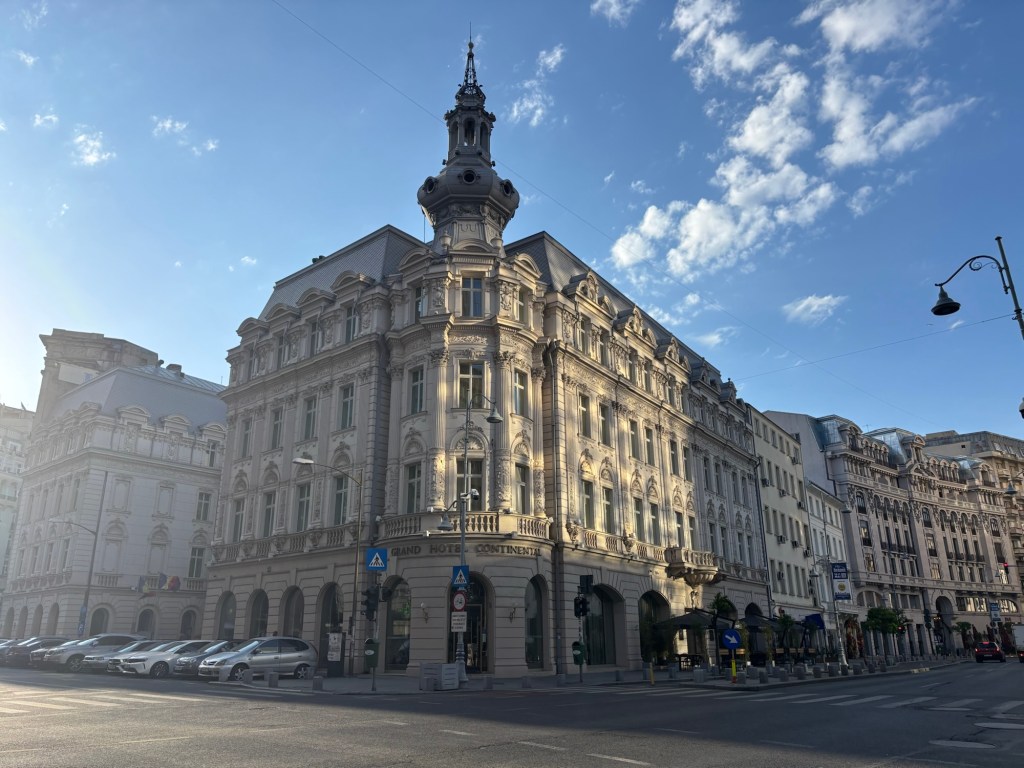
Day Trip: Peles Castle and Brasov
If you’re visiting anywhere outside Bucharest, Peles Castle is a must-see. The exterior is stunning, but the interior is even more impressive. Our knowledgeable guide, Stefan, shared fascinating stories and facts about each room.
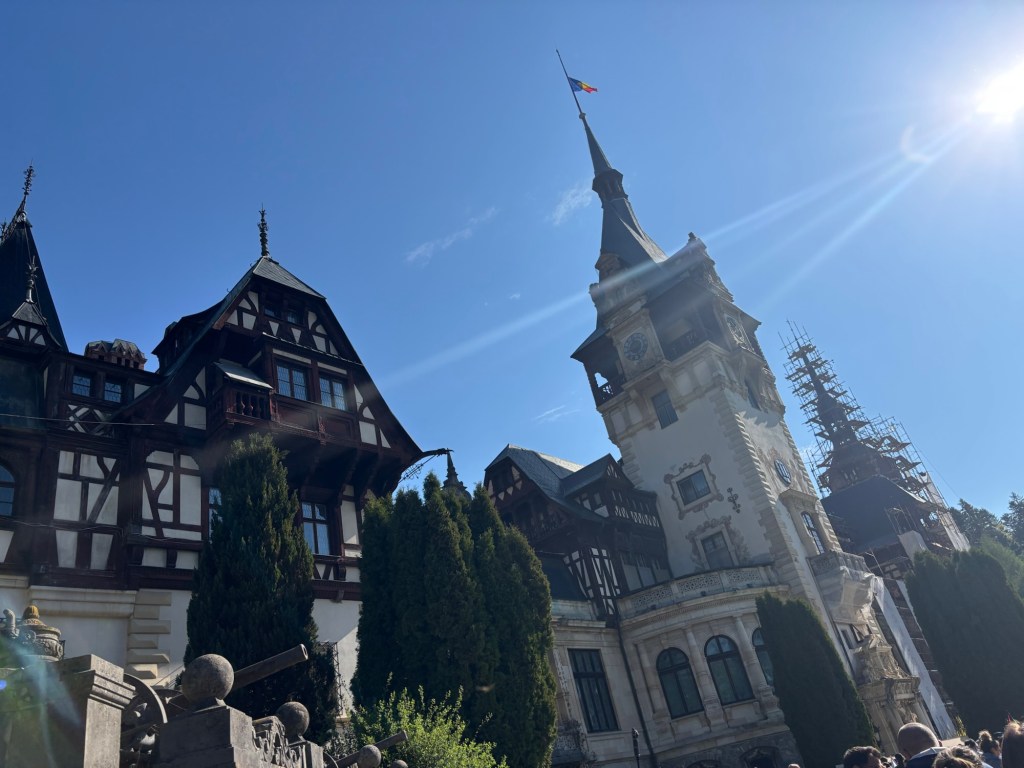

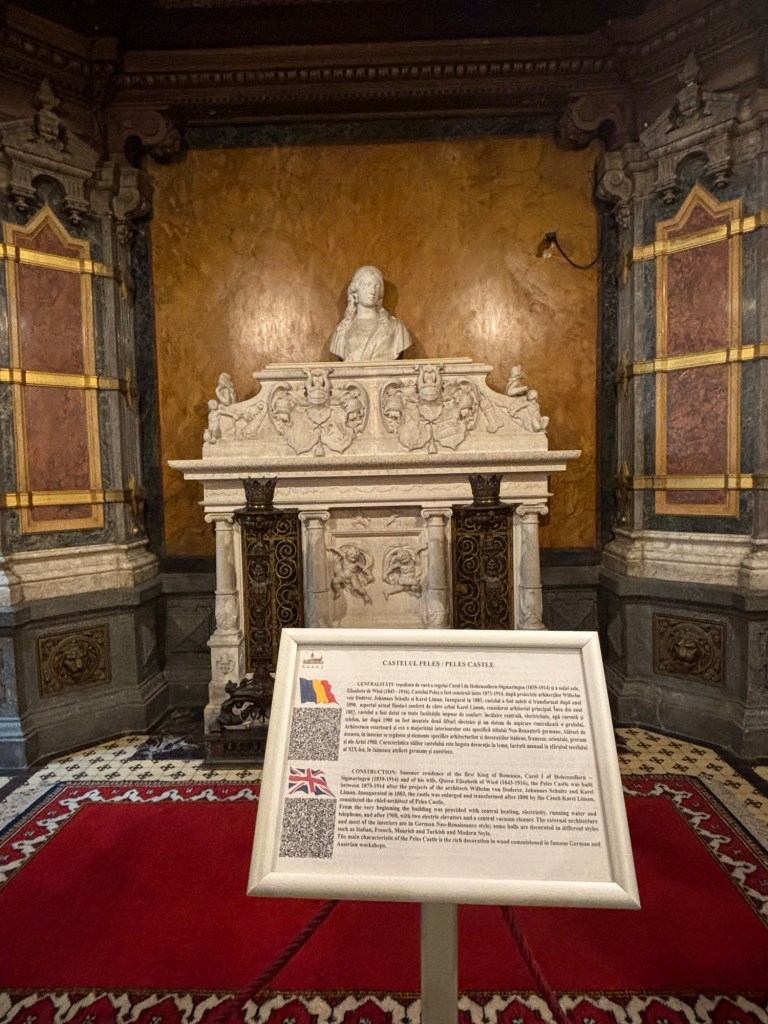
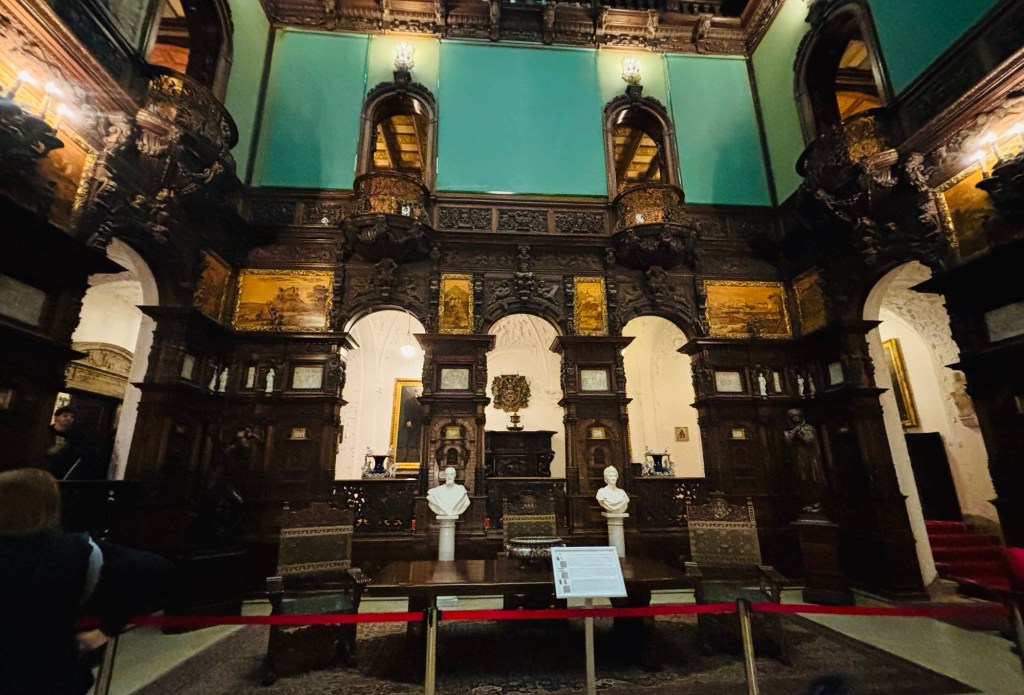
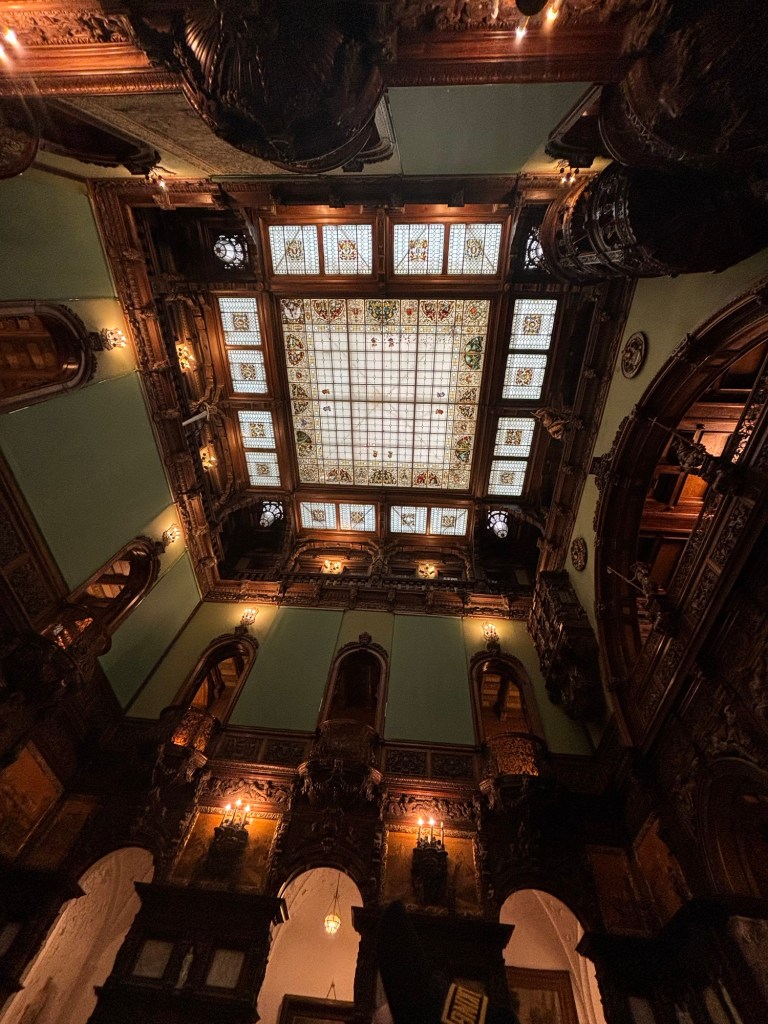
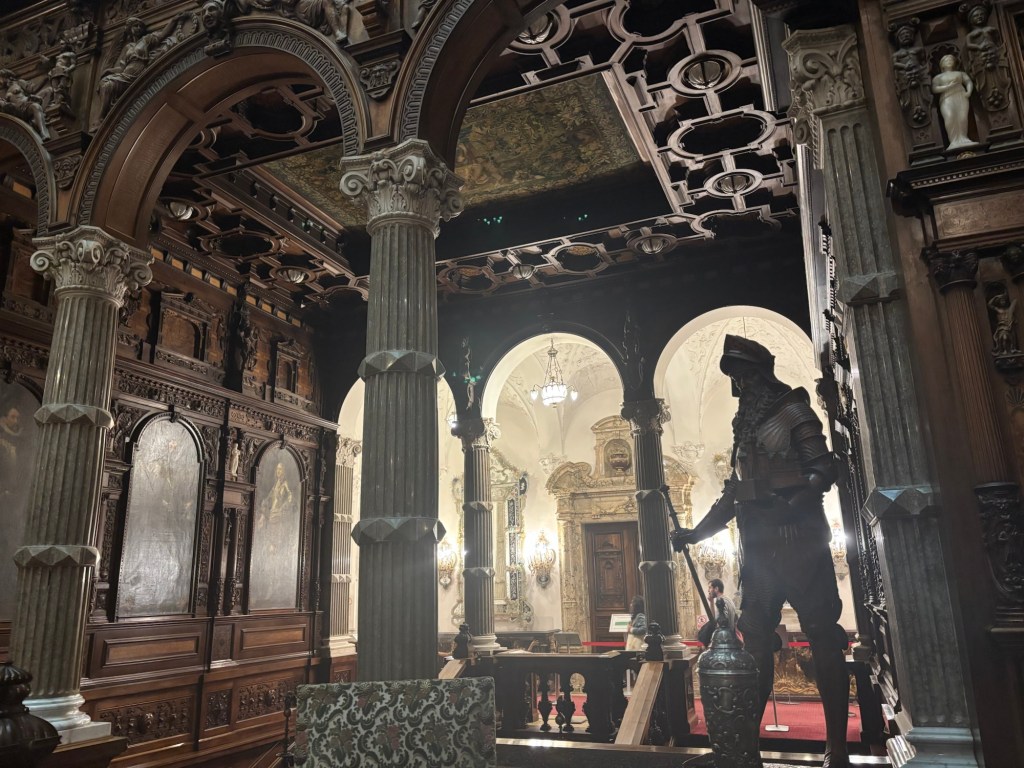
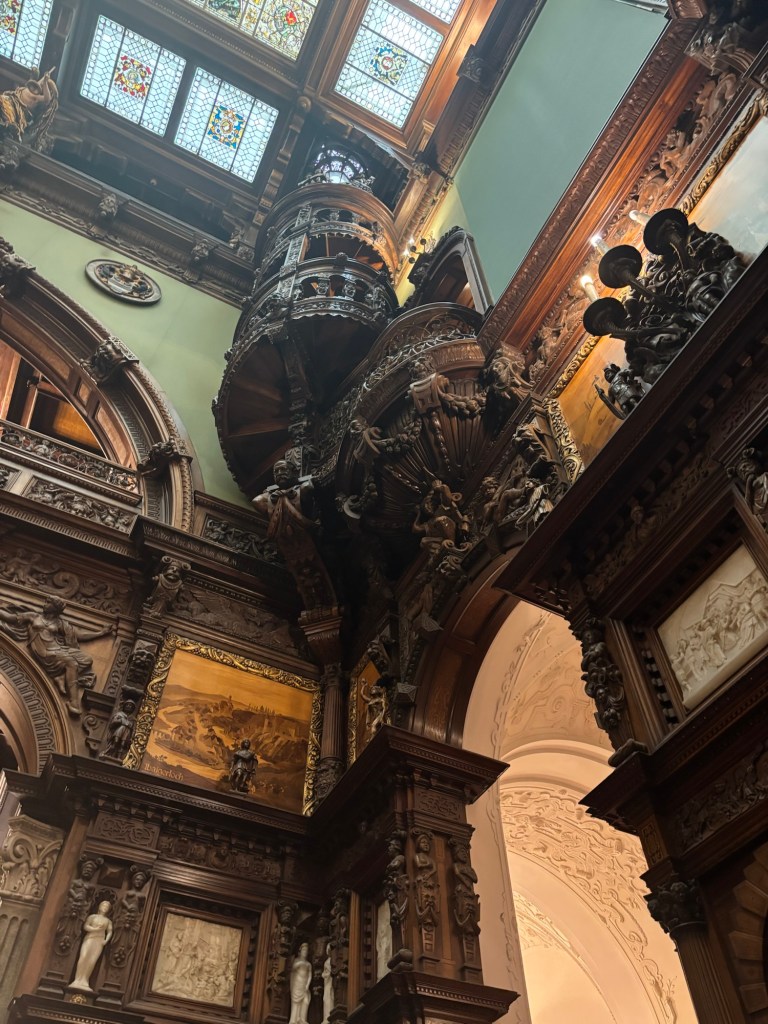
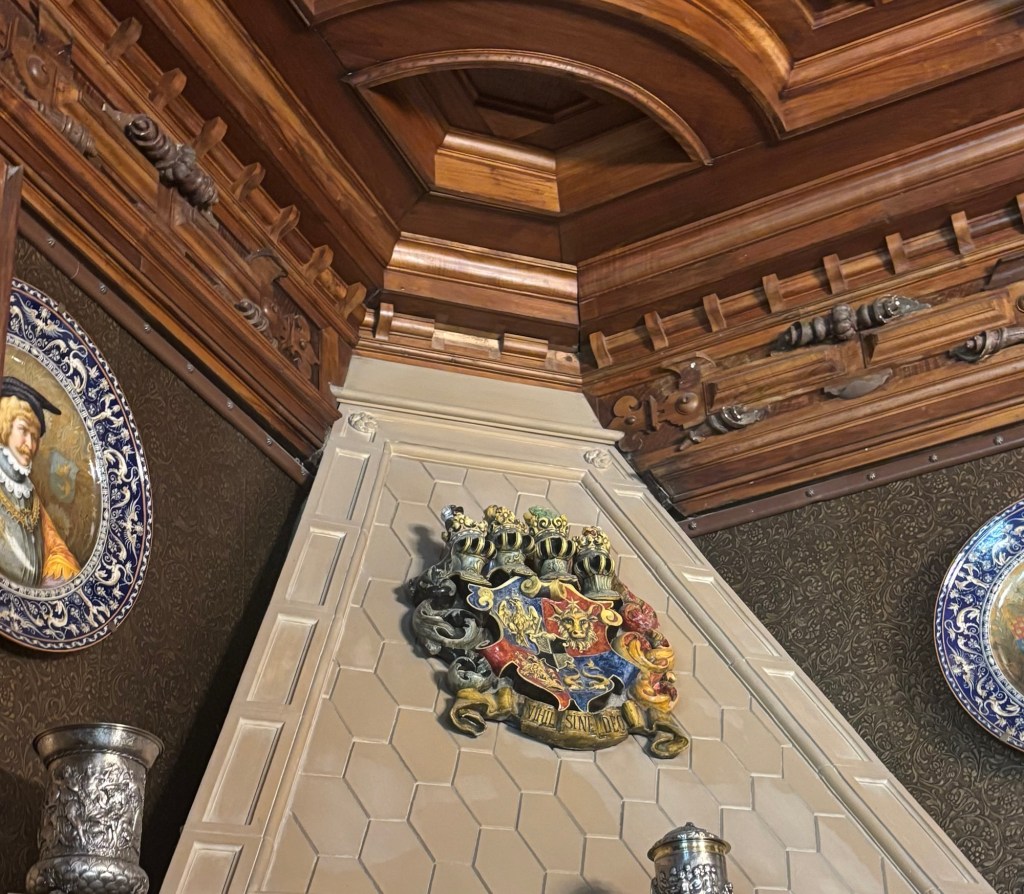
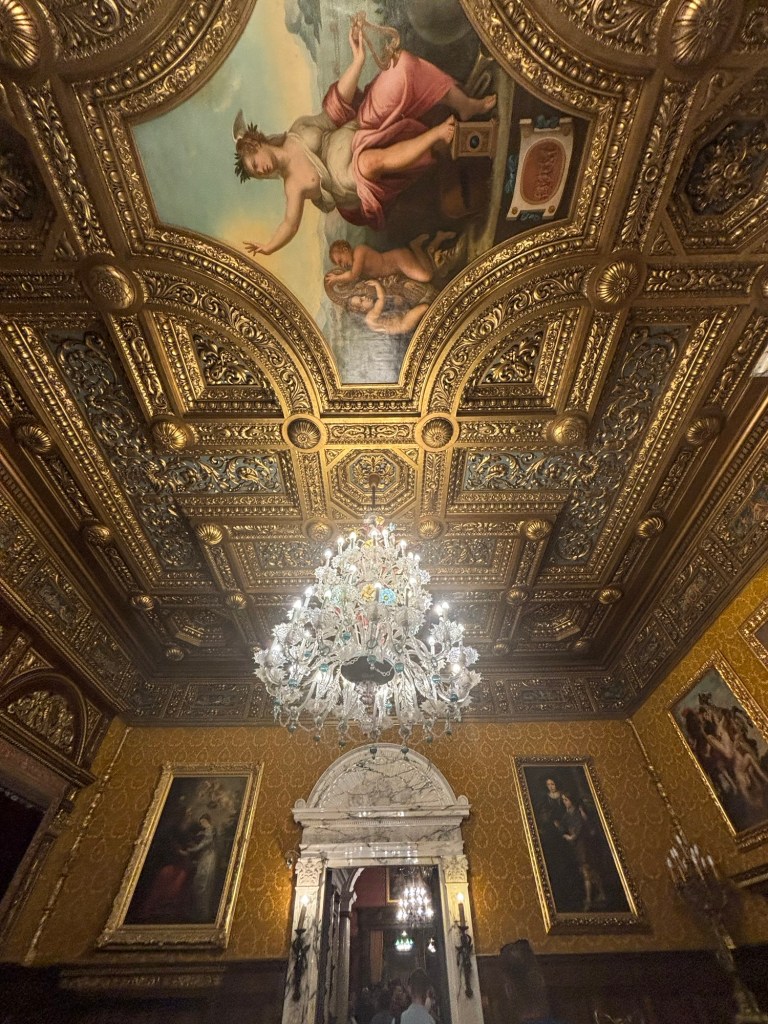
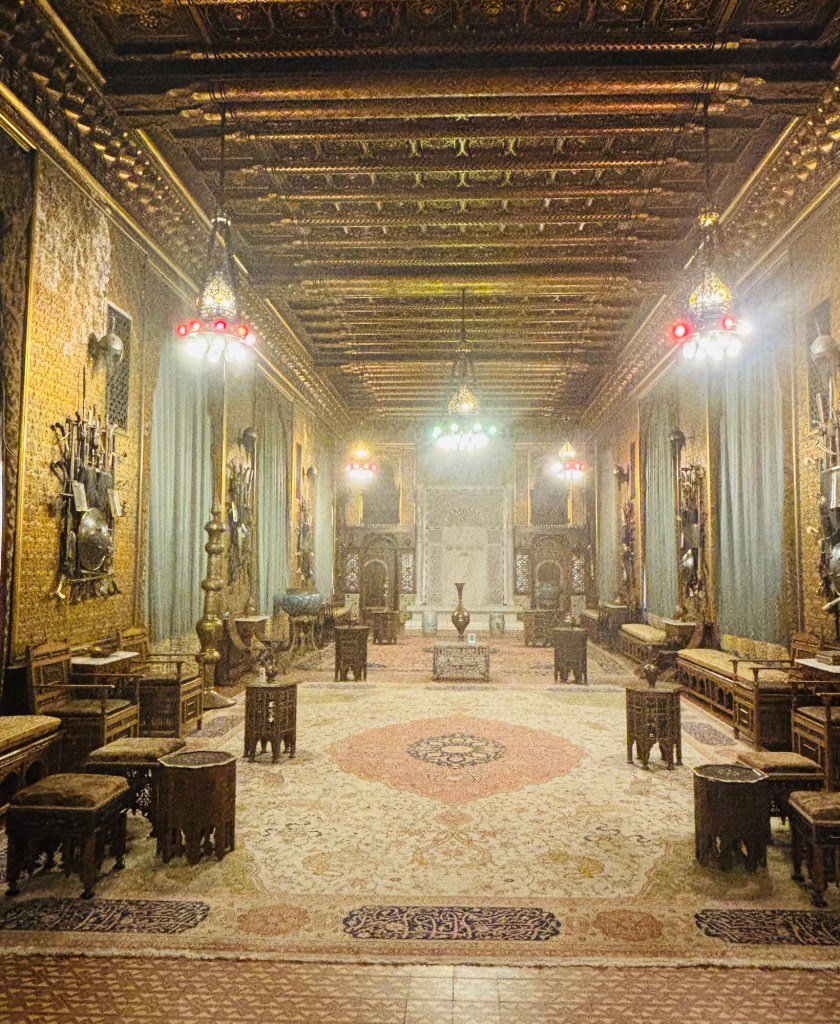
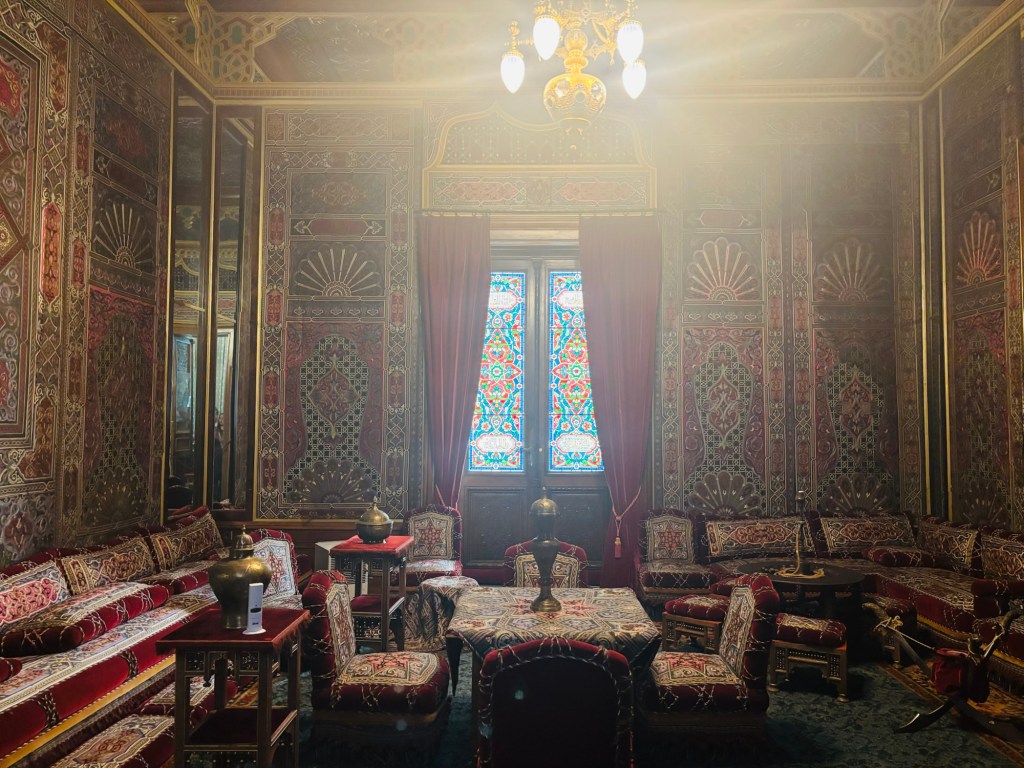
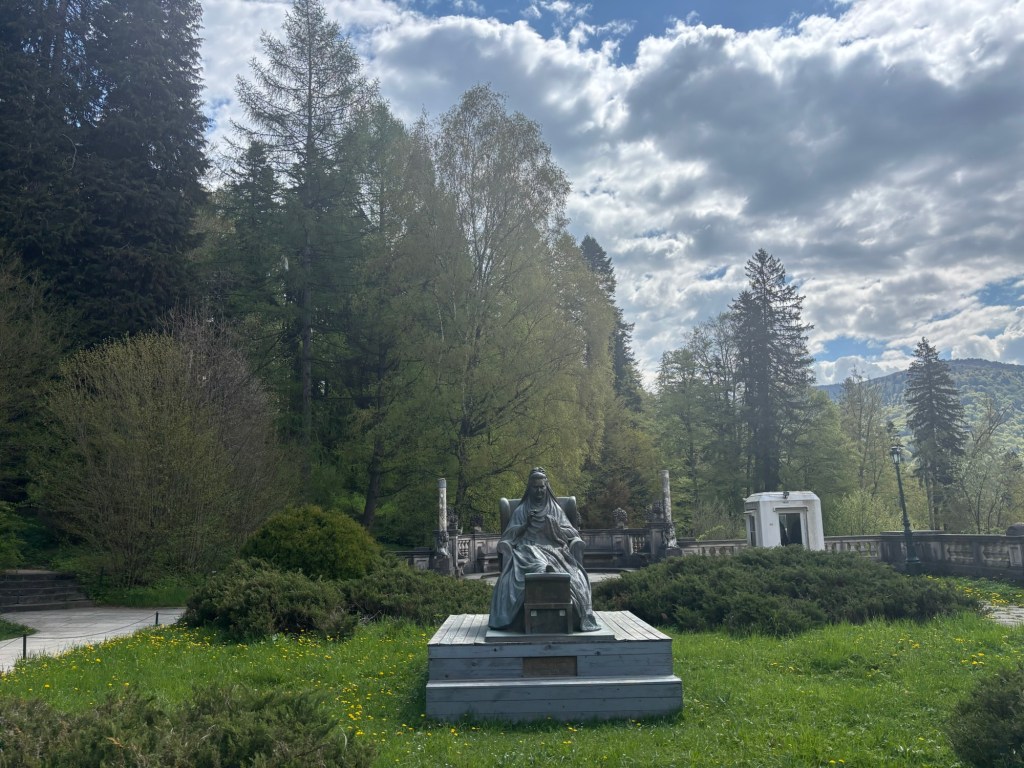
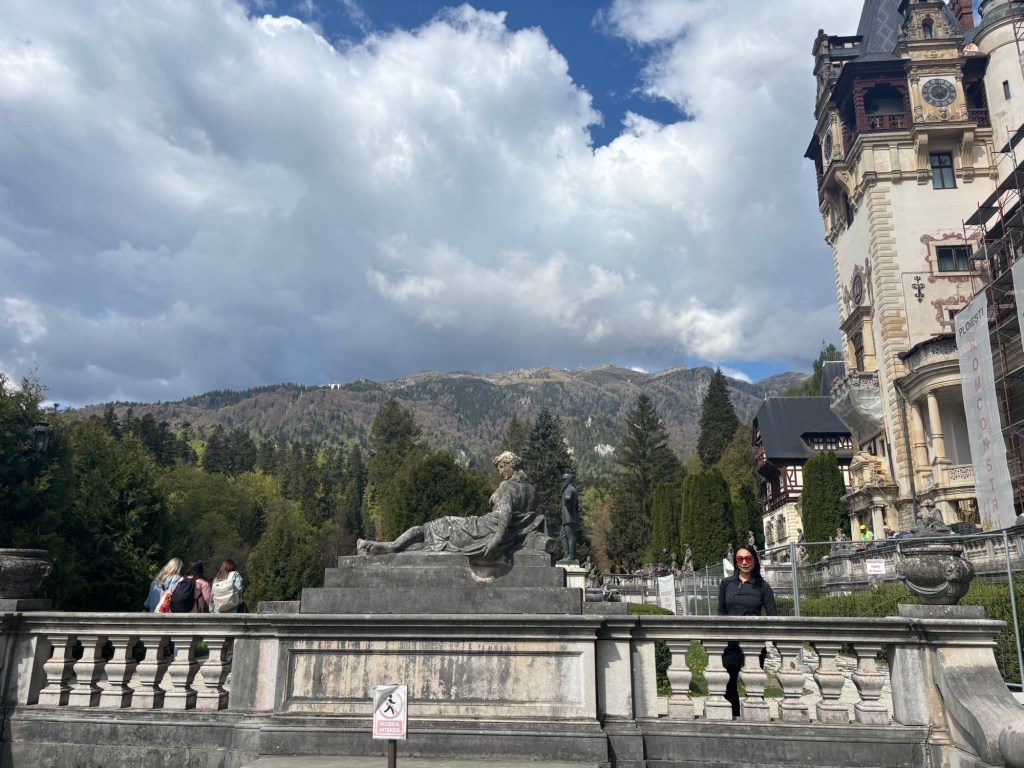
The castle features a mix of architectural styles—German, Italian, Turkish, Flemish, Neo-Renaissance, and French Louis XIV. My favorite was the Moorish Salon, designed for women.
Trivia: Peles Castle was the first European castle entirely powered by electricity, generated by its own plant. Its central heating system, built in 1888, is still in use today.
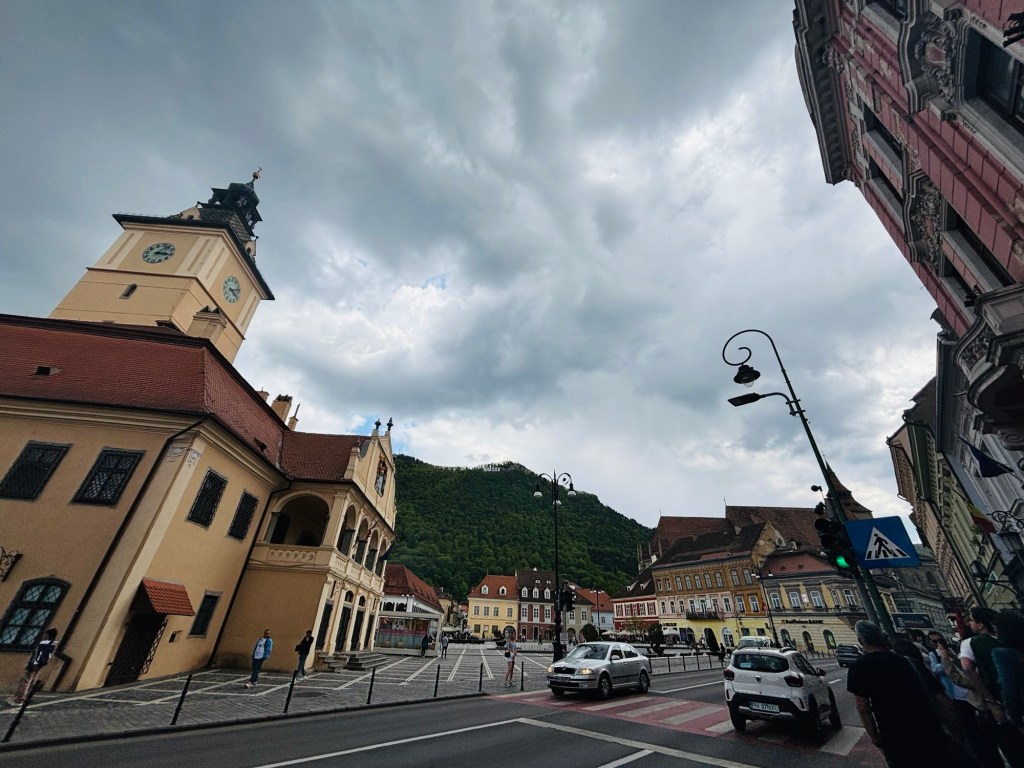
From there, we traveled to Brasov, a picturesque town nestled in the Southern Carpathian Mountains. With its gothic, baroque, and renaissance architecture, Brasov is one of Romania’s most beautiful and visited places
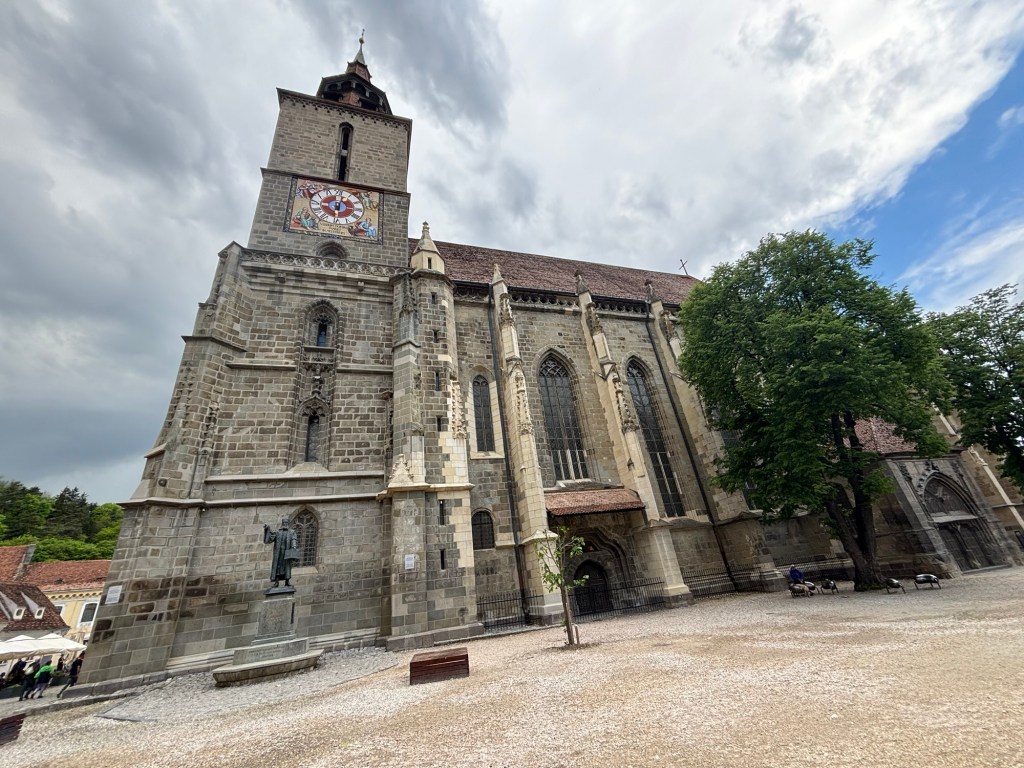
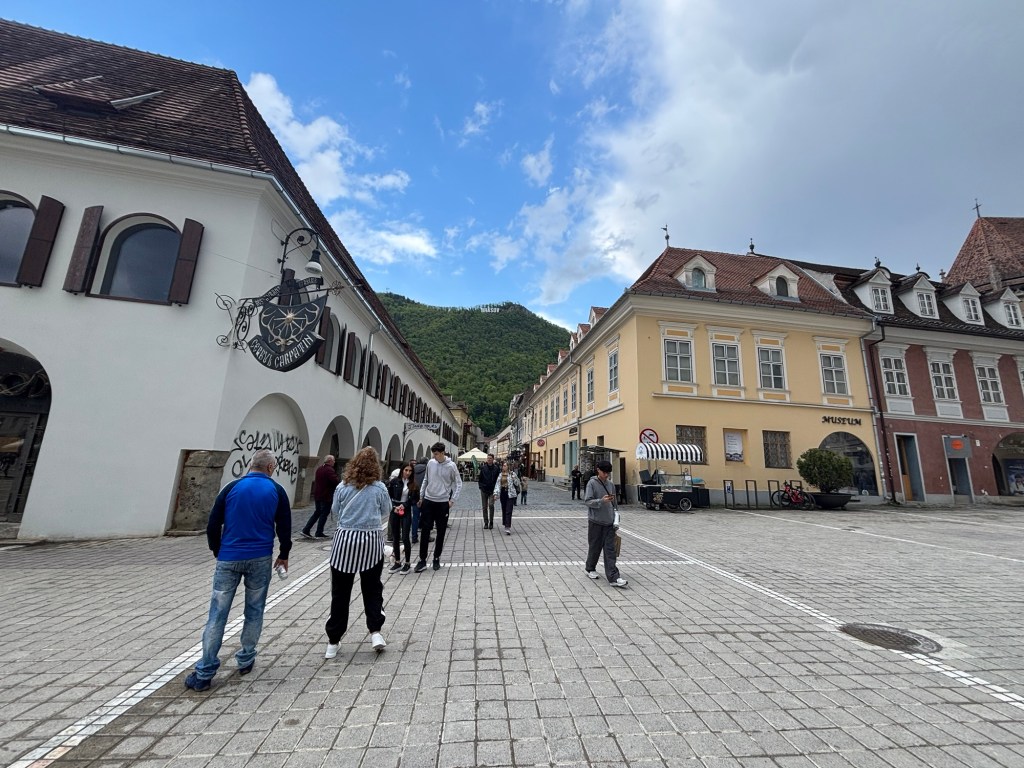
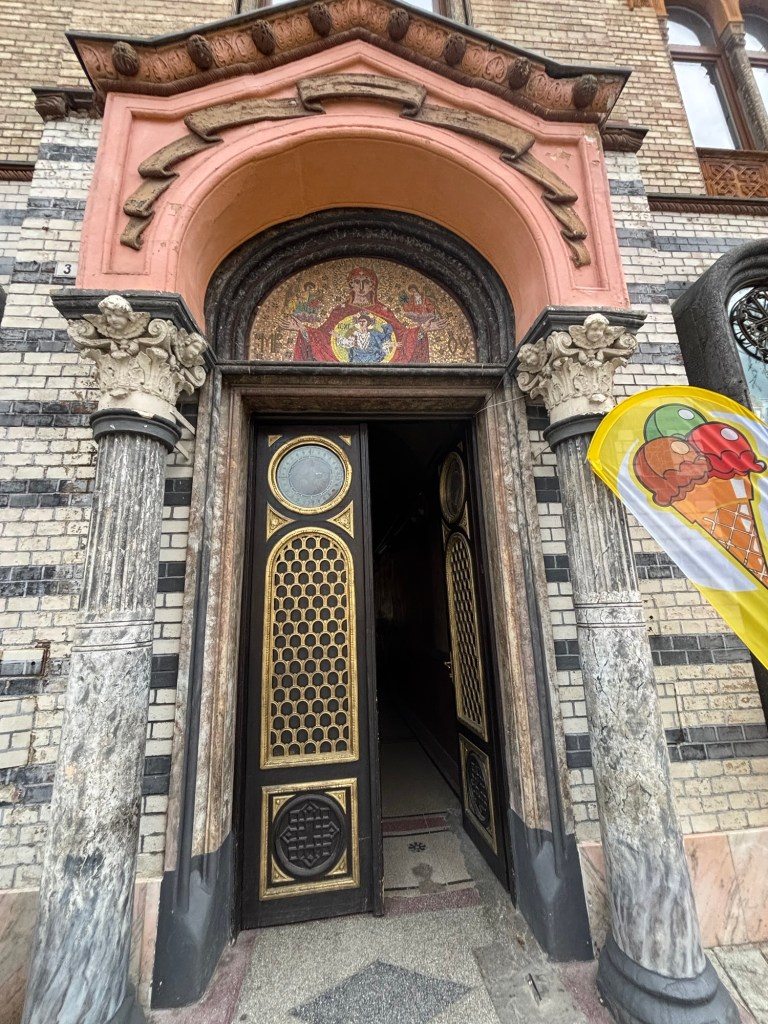
Bran Castle: Dracula’s Legend
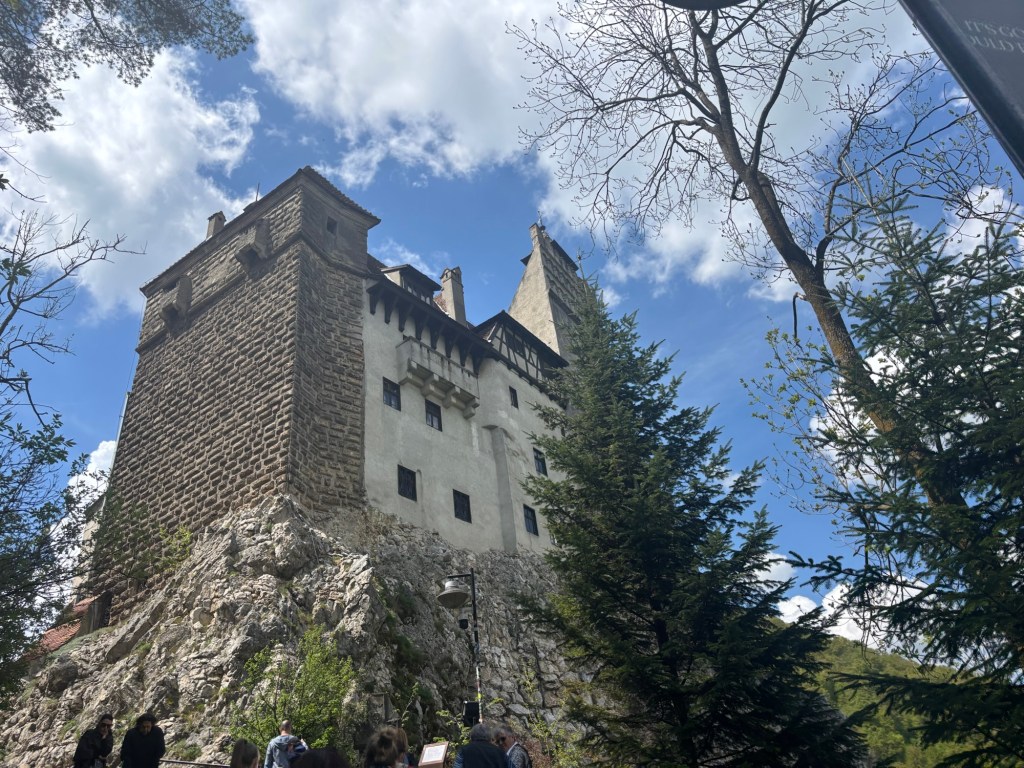
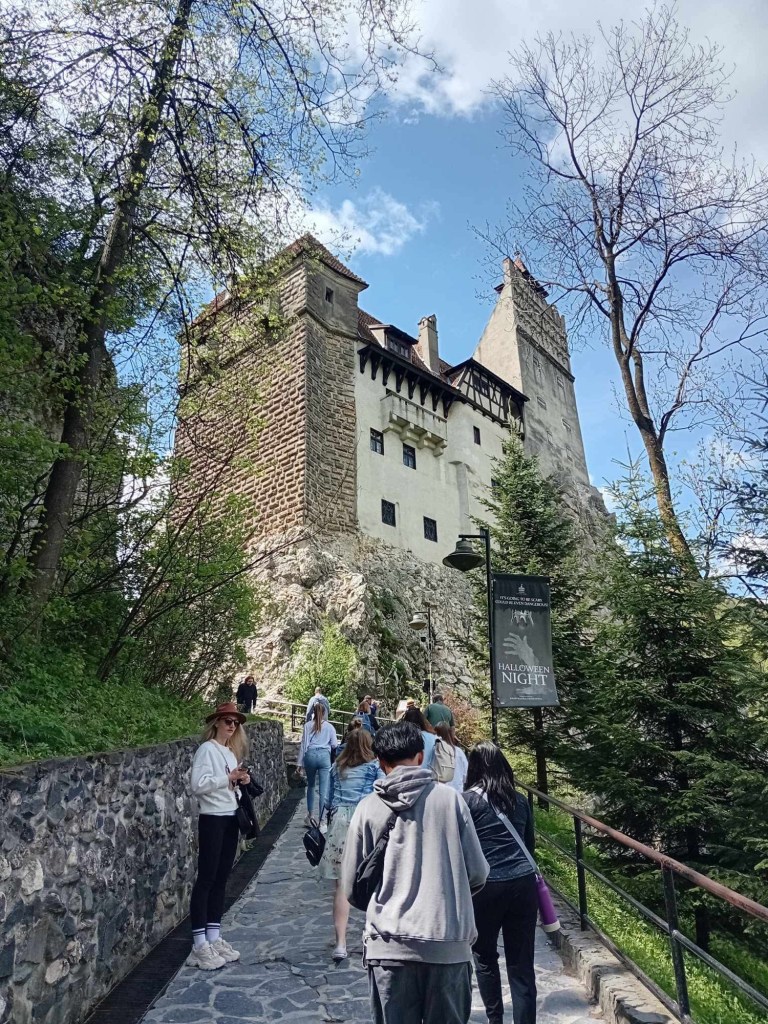
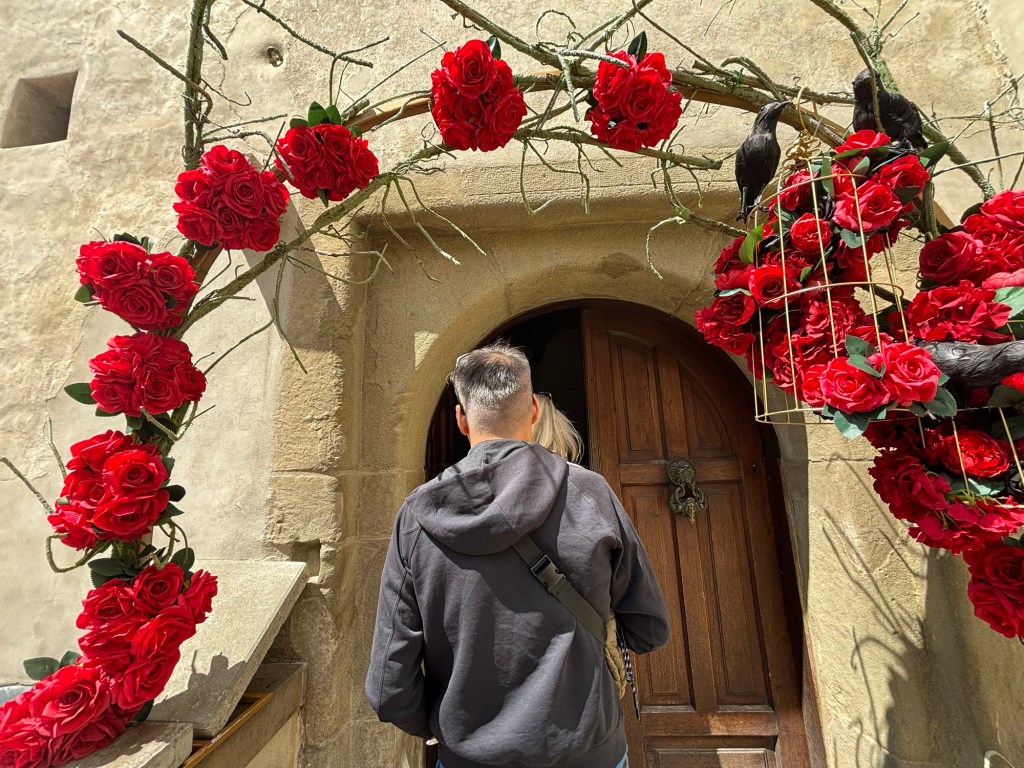
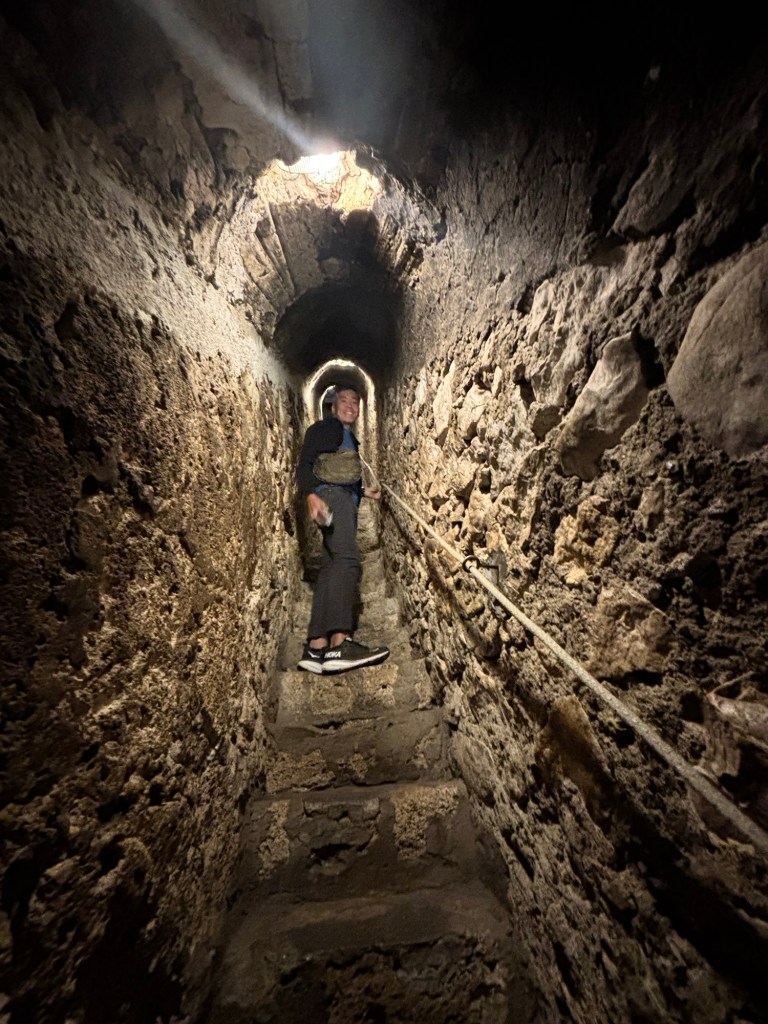
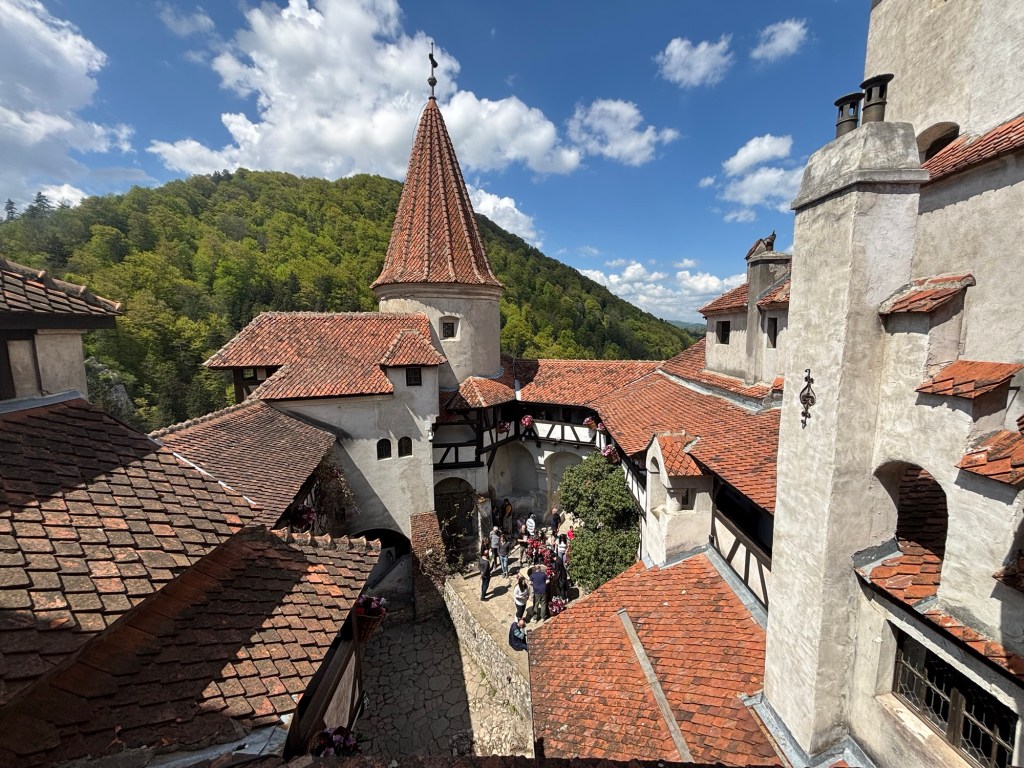
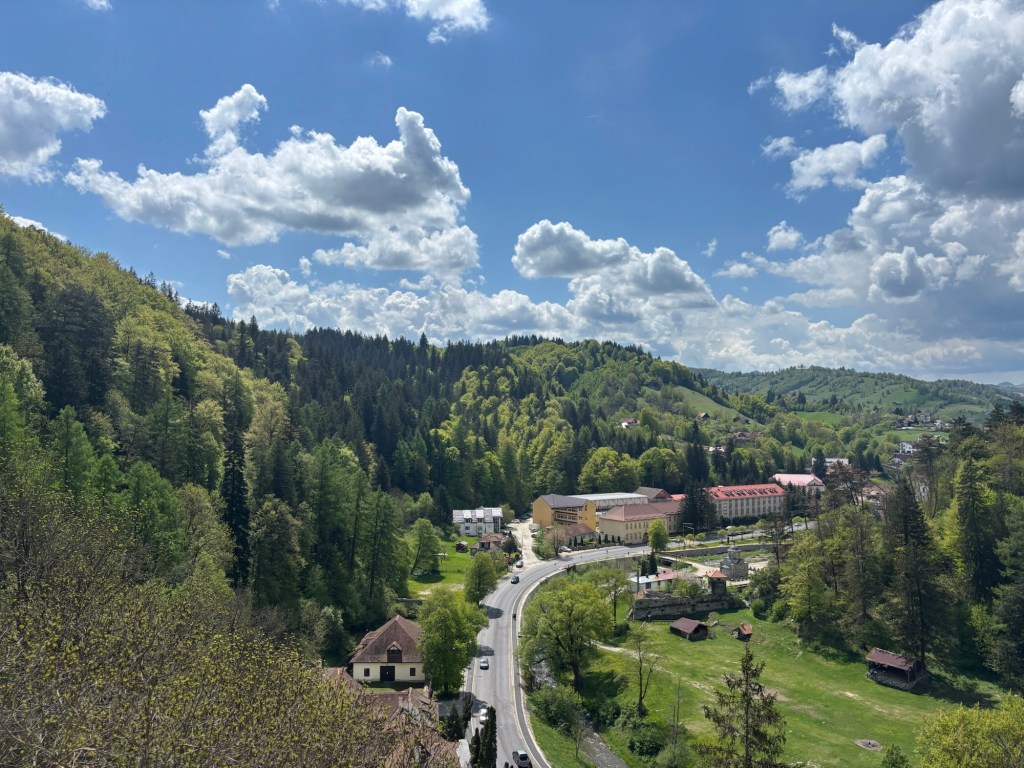
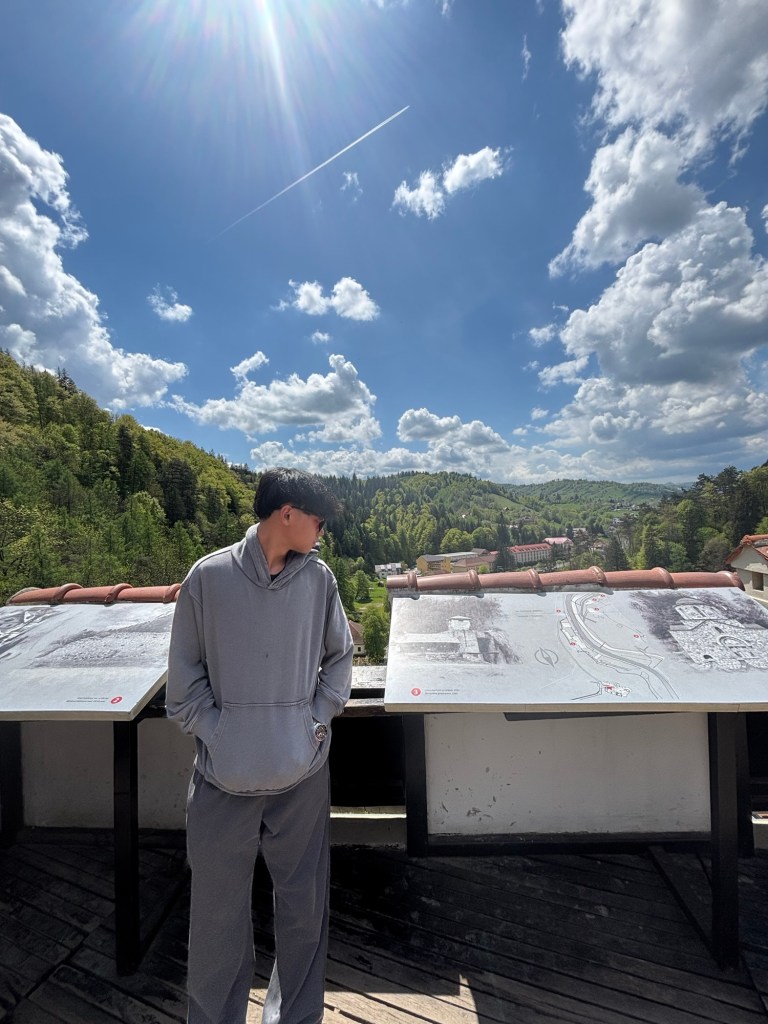
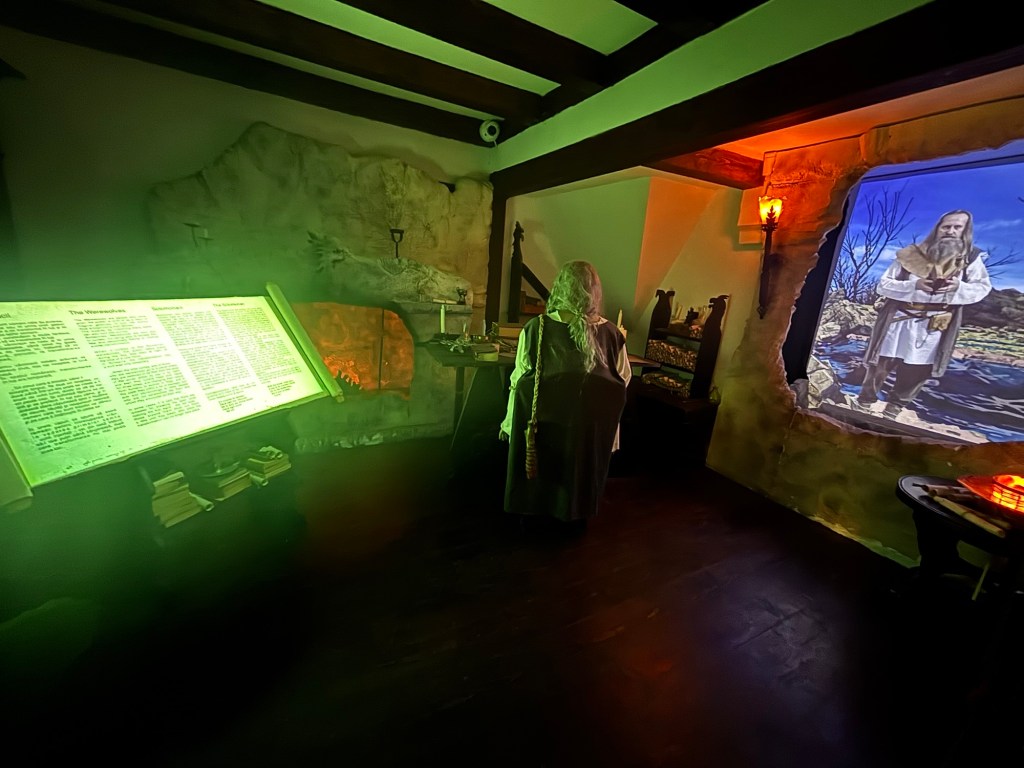
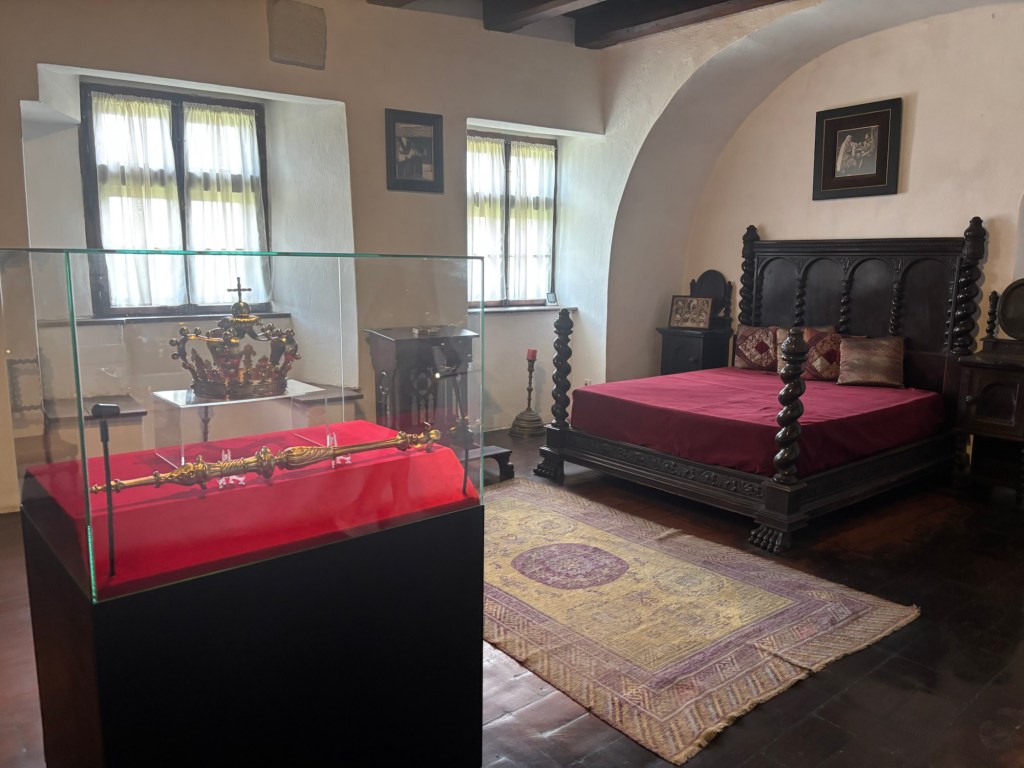
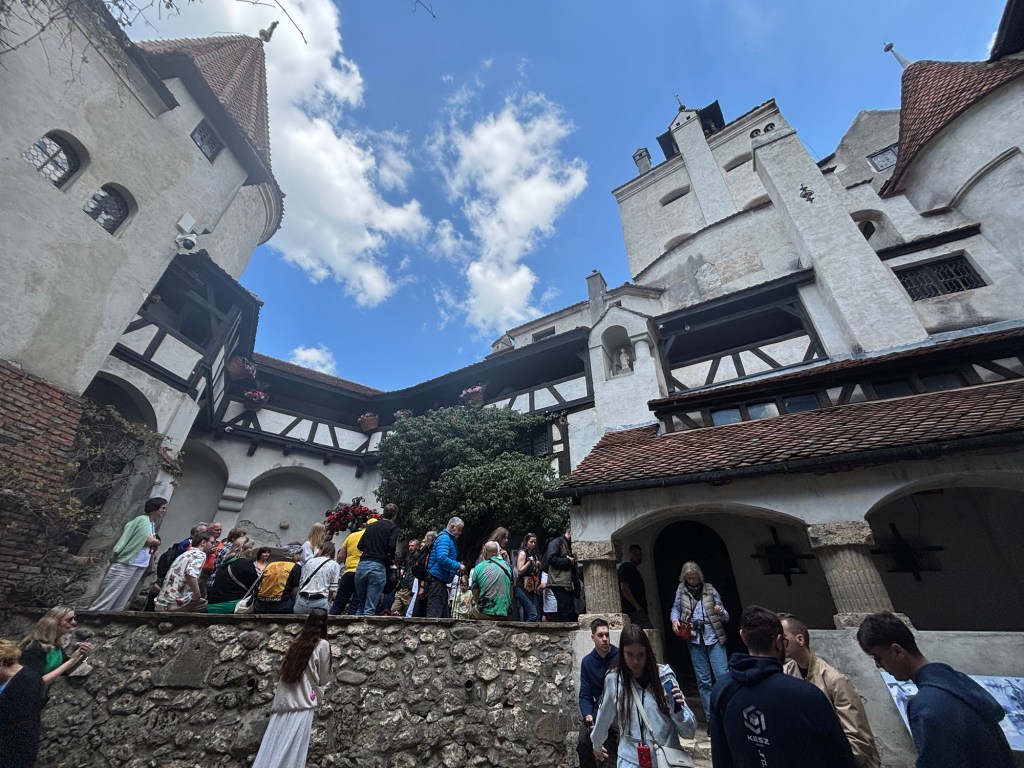
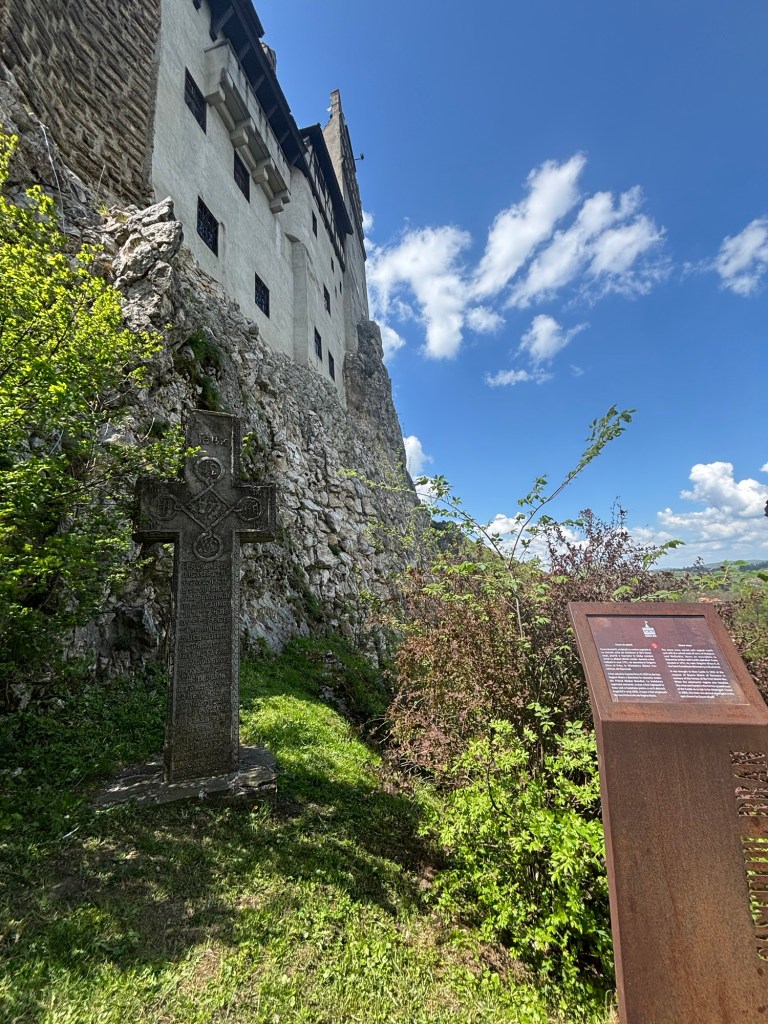
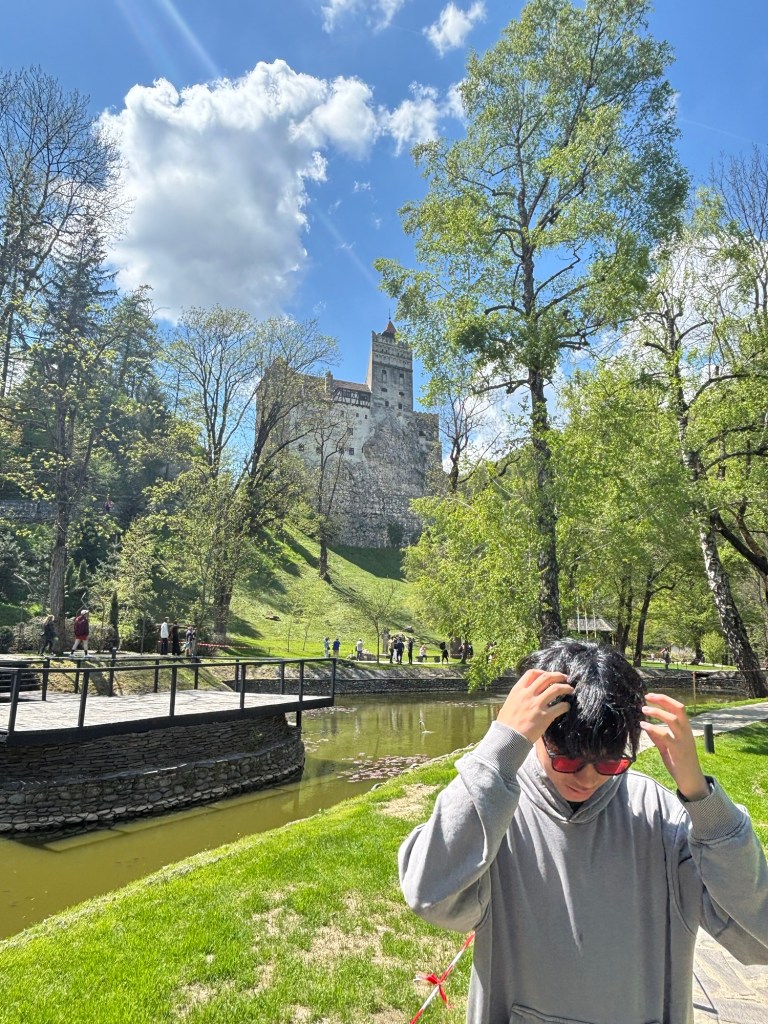
Our next stop was Bran Castle, often linked to Bram Stoker’s Dracula. The castle sits dramatically on a rocky cliff and matches the novel’s descriptions. But the truth is – Stoker never visited Transylvania, and Vlad the Impaler (a.k.a. Vlad III Dracula), while associated with the legend, never ruled Bran Castle—though some claim he was imprisoned there briefly.
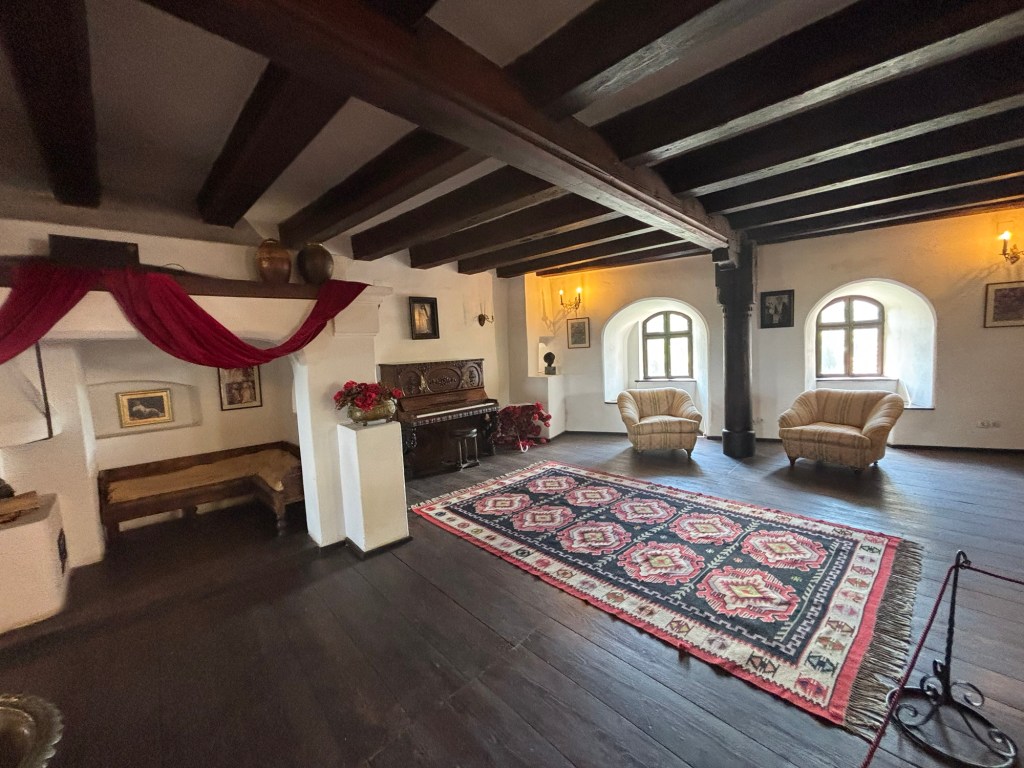
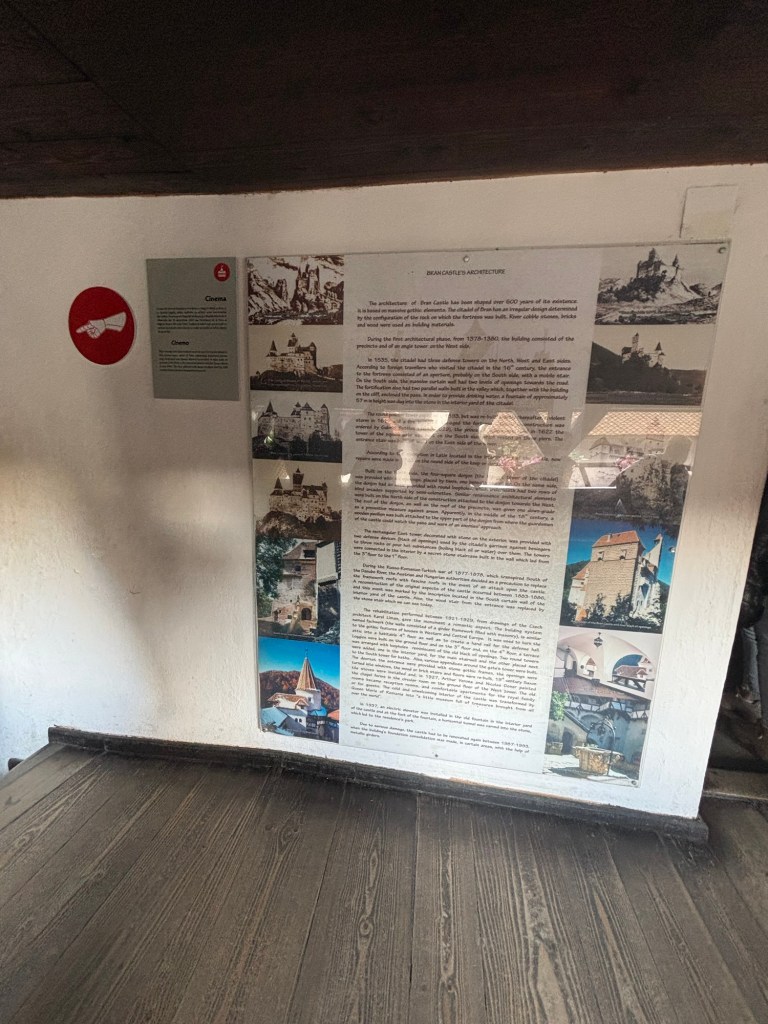
Compared to the grandeur of Peles, Bran Castle is more modest. Built in the 14th century, it houses a collection of furniture and artwork that once belonged to Queen Marie, Romania’s last queen.
Nice to know:
Victoriei Apartment: Clean, well-equipped (toilet, hot/cold shower, TV, comfy beds, microwave, stove, washing machine, ironing board).
Currency: RON (~₱12 per RON). I used my BPI debit card—no transaction fees!
Fun Fact: Most of Wednesday (Season 1) was filmed in Sinaia. On our way to Peles Castle, we caught a glimpse of the Nevermore Academy.
Next Stop: Sofia, Bulgaria 🇧🇬
We took a quick one-hour flight from Bucharest to Sofia, and this time, we used the subway from the airport to our hotel—smooth and efficient!
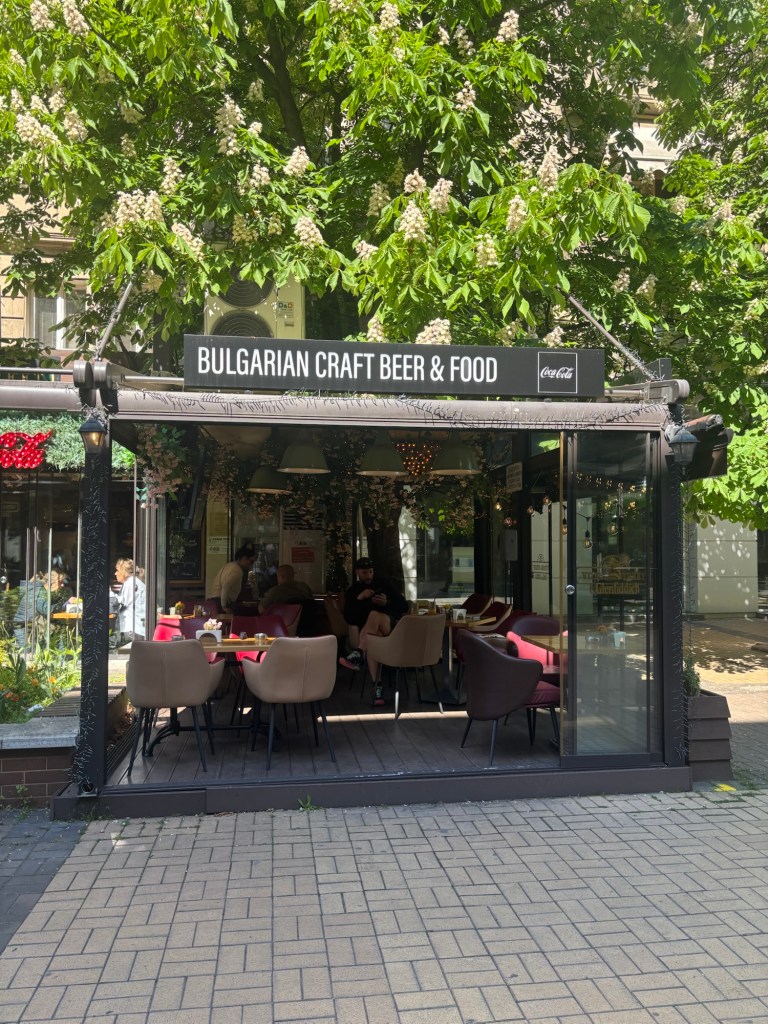
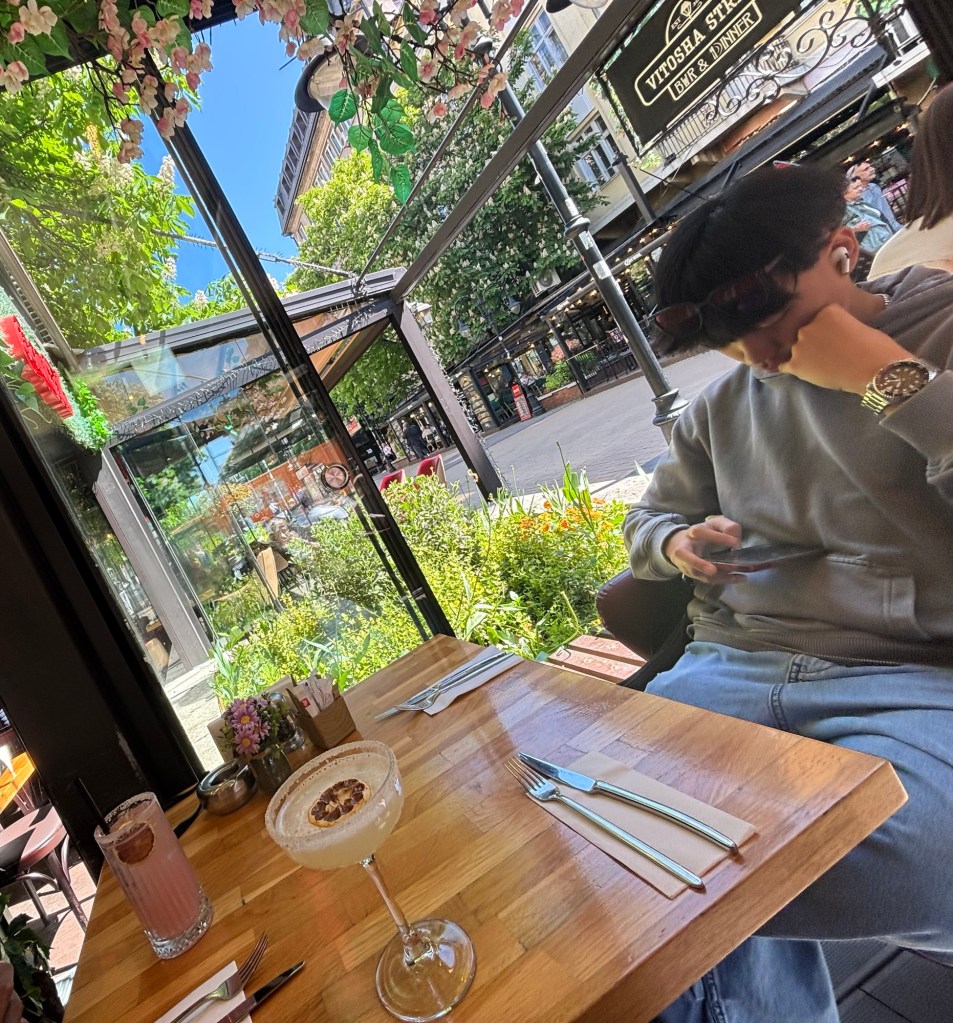
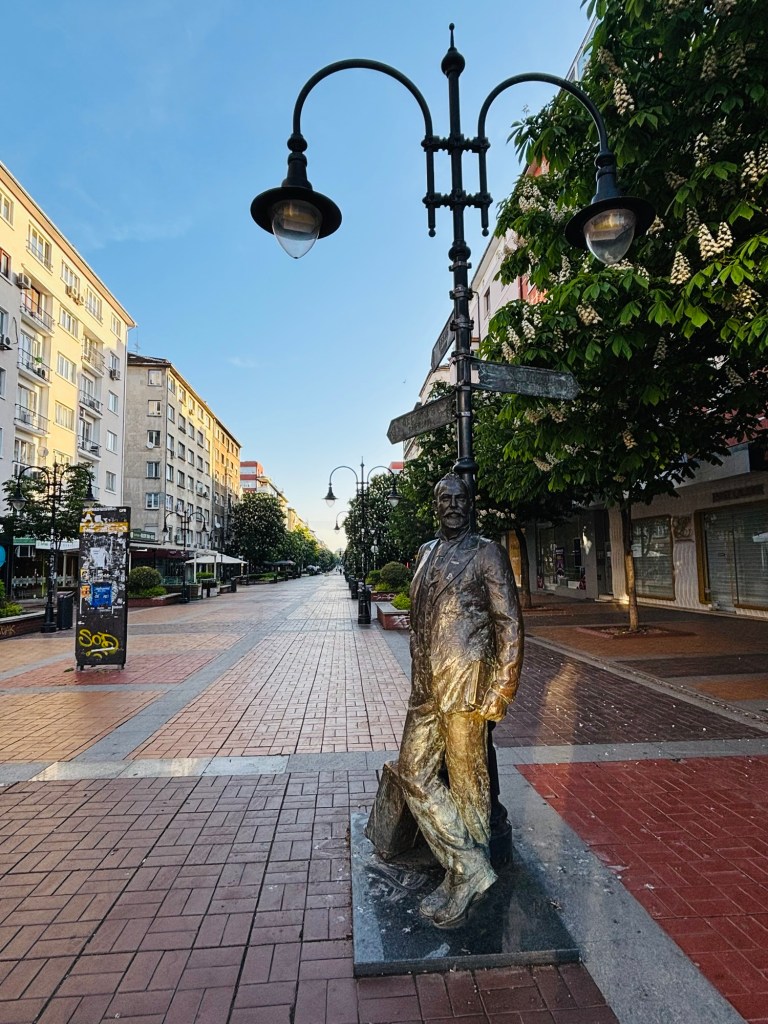
We emerged onto Vitosha Boulevard, Sofia’s main shopping street lined with stores, cafés, and bars. At the end of the boulevard, we were greeted by an amazing view of Mount Vitosha—breathtaking!
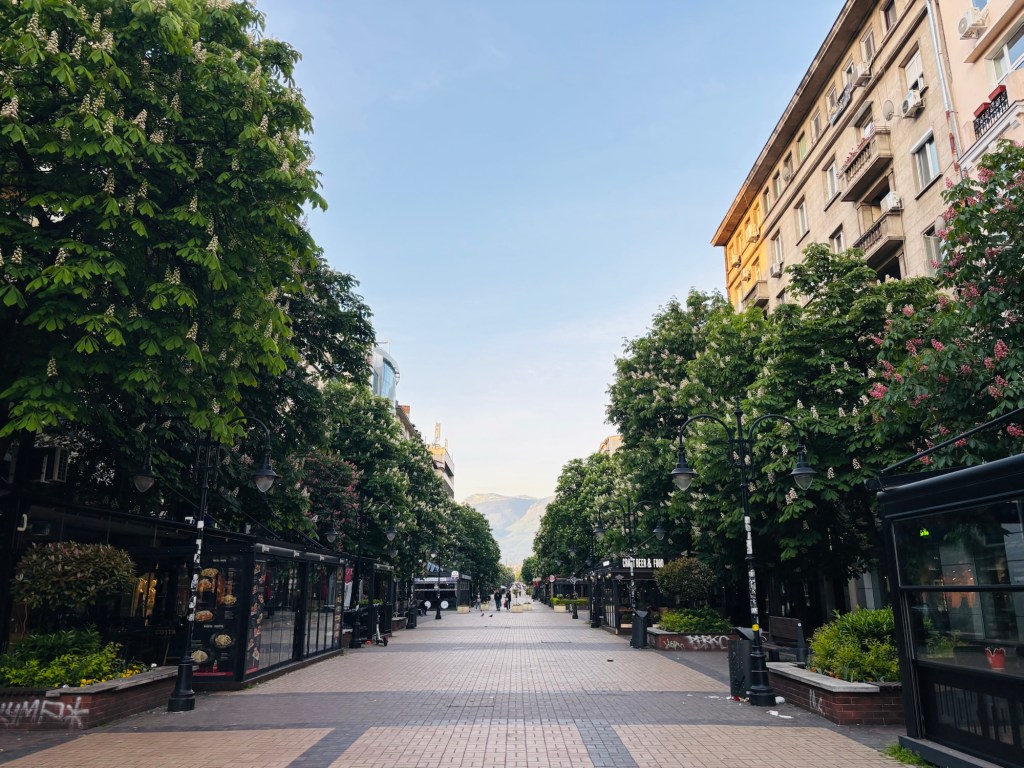
As our hotel room is not yet available, we eagerly explored the town.
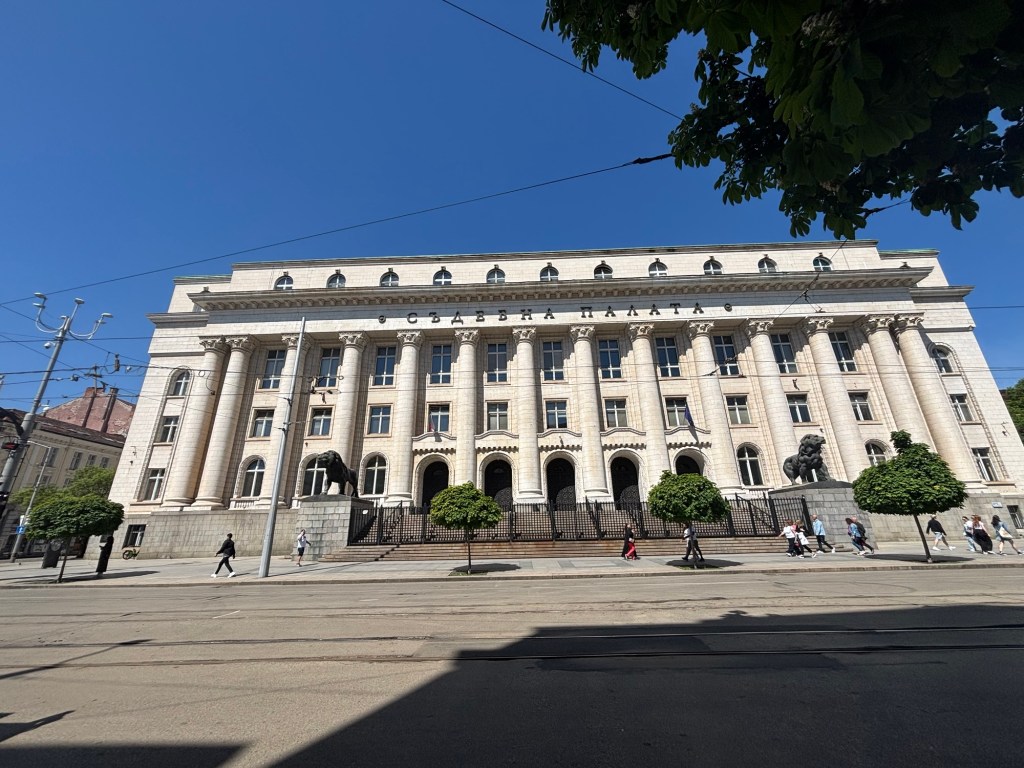
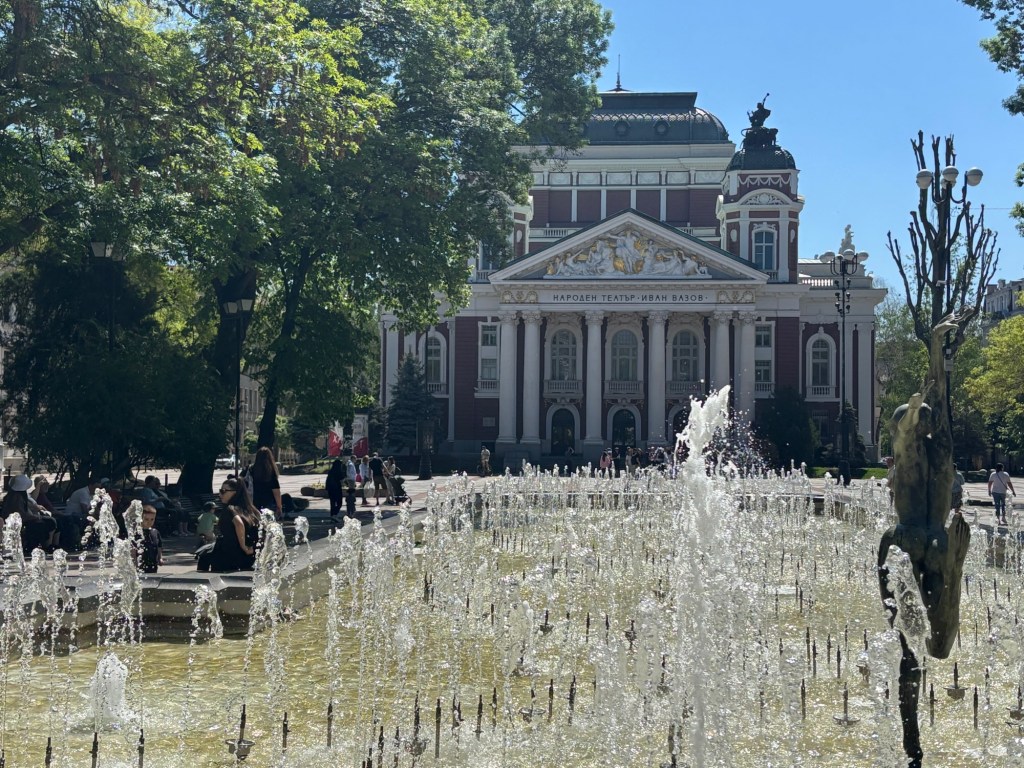
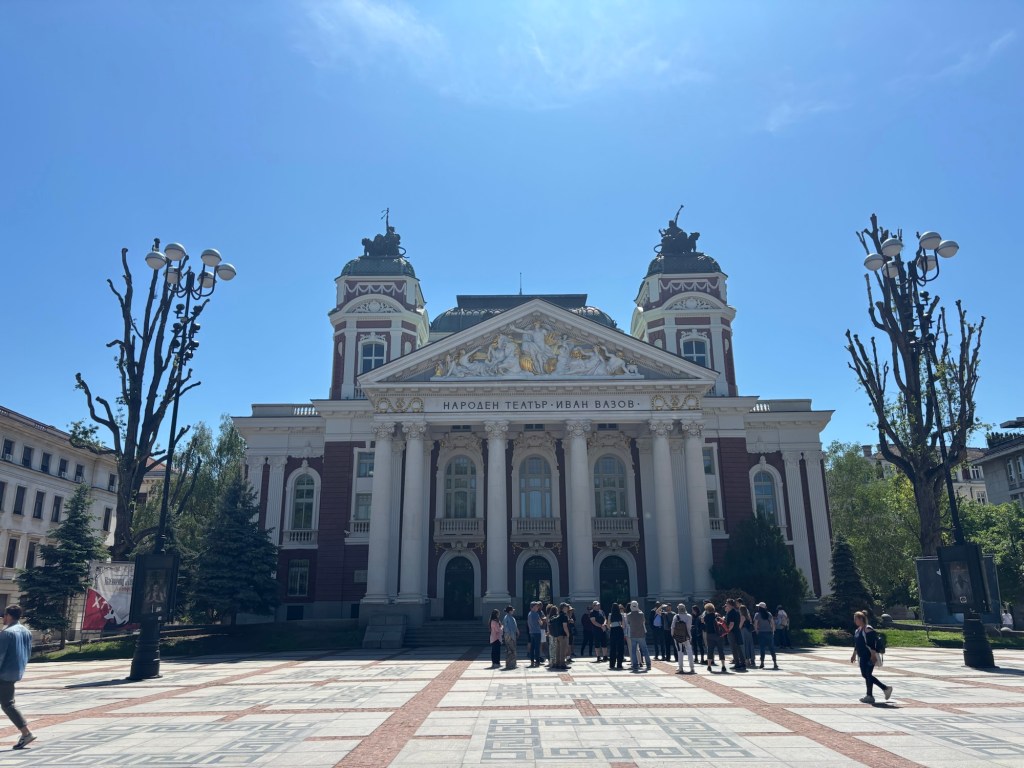
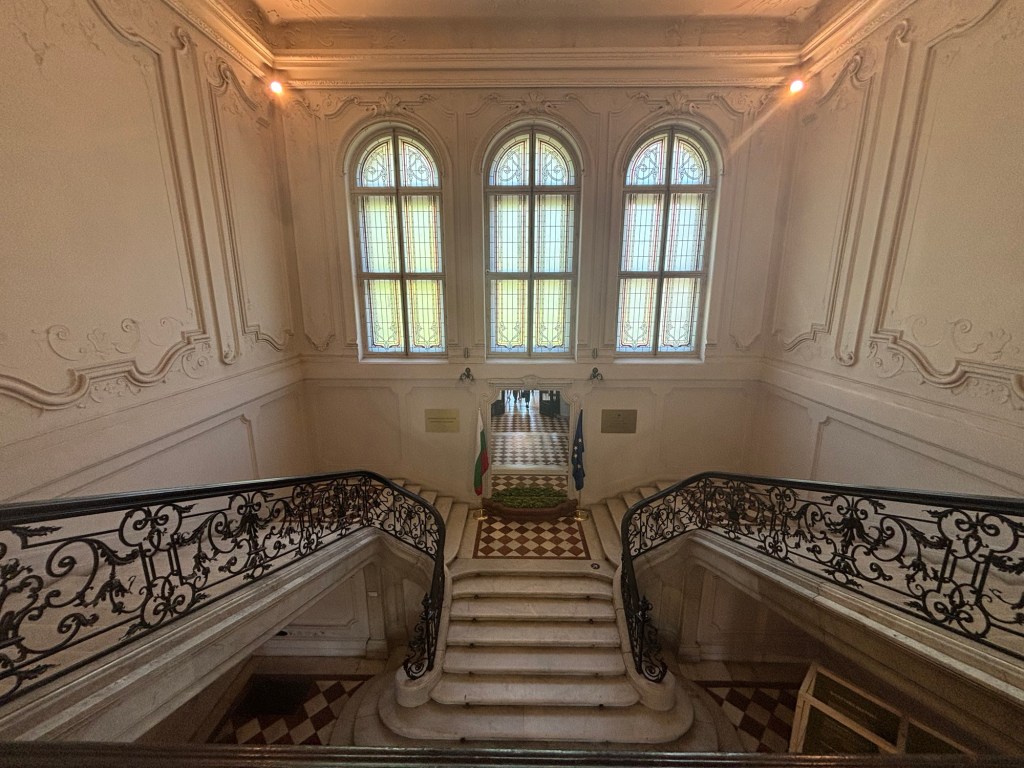
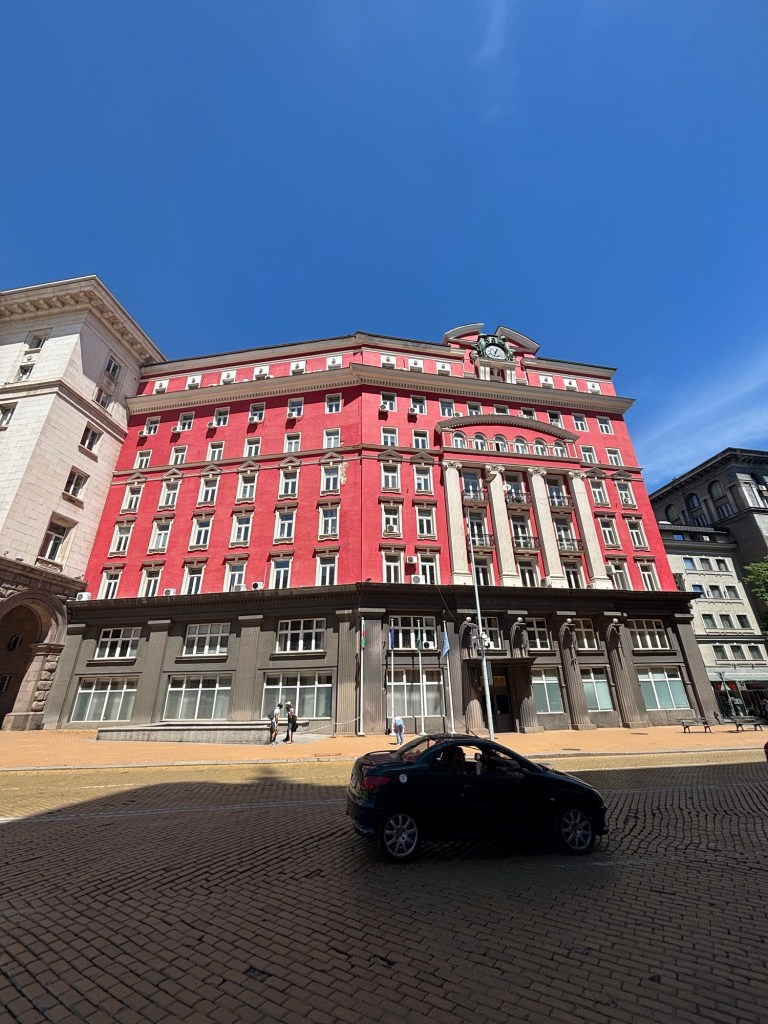
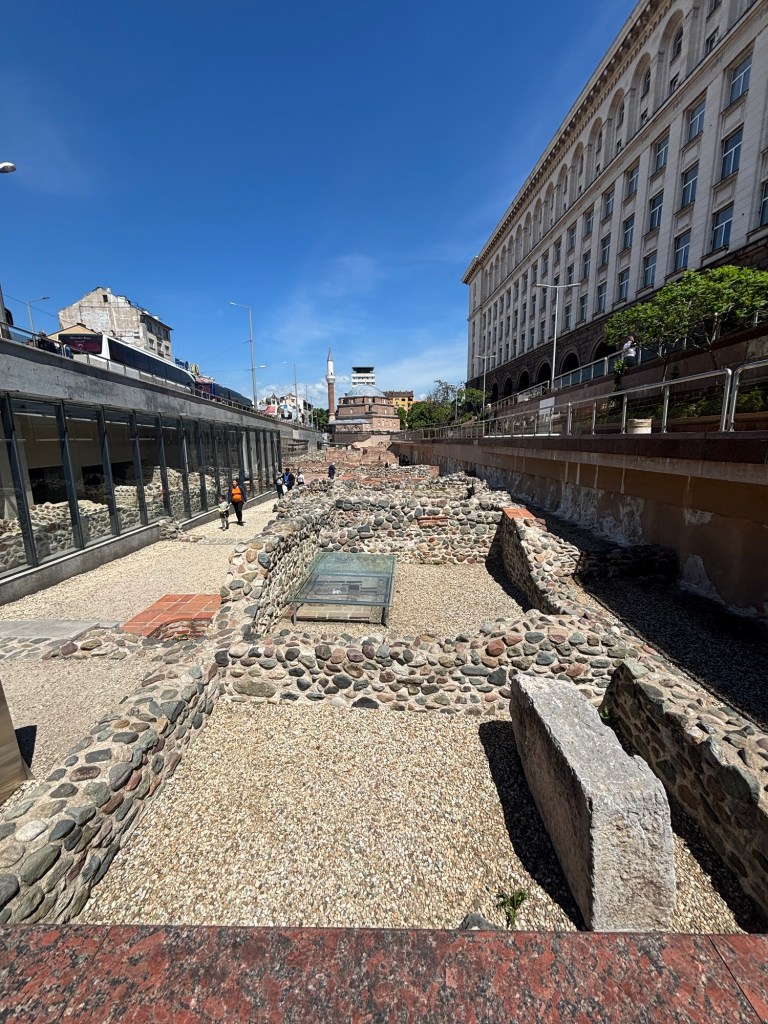
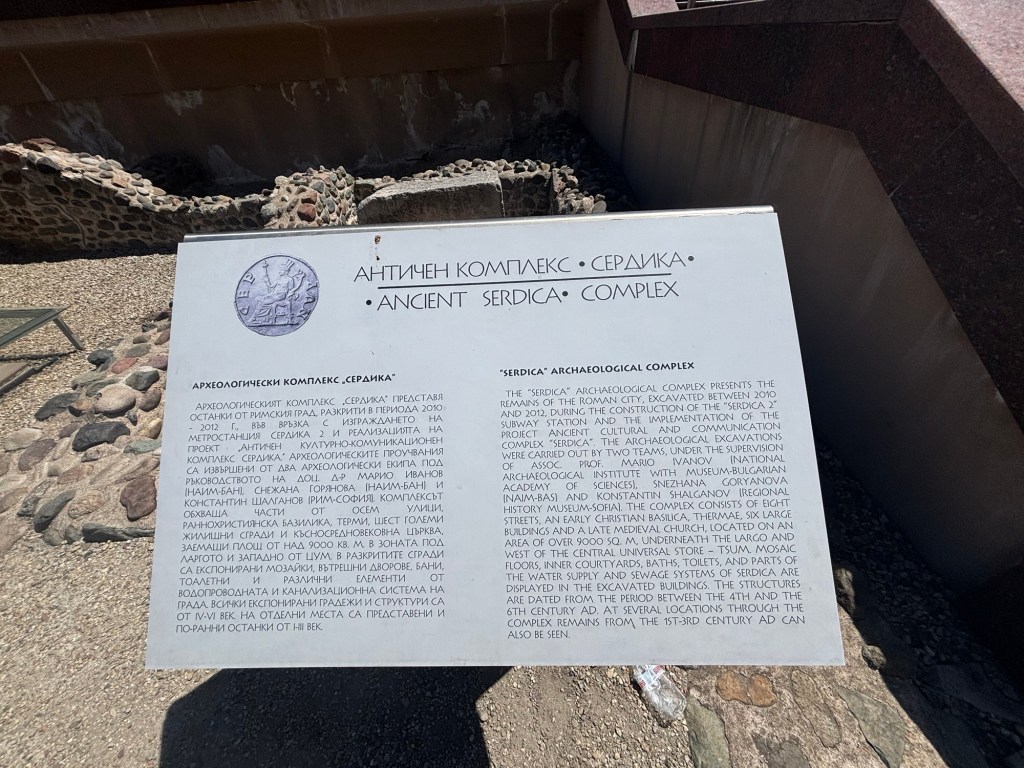
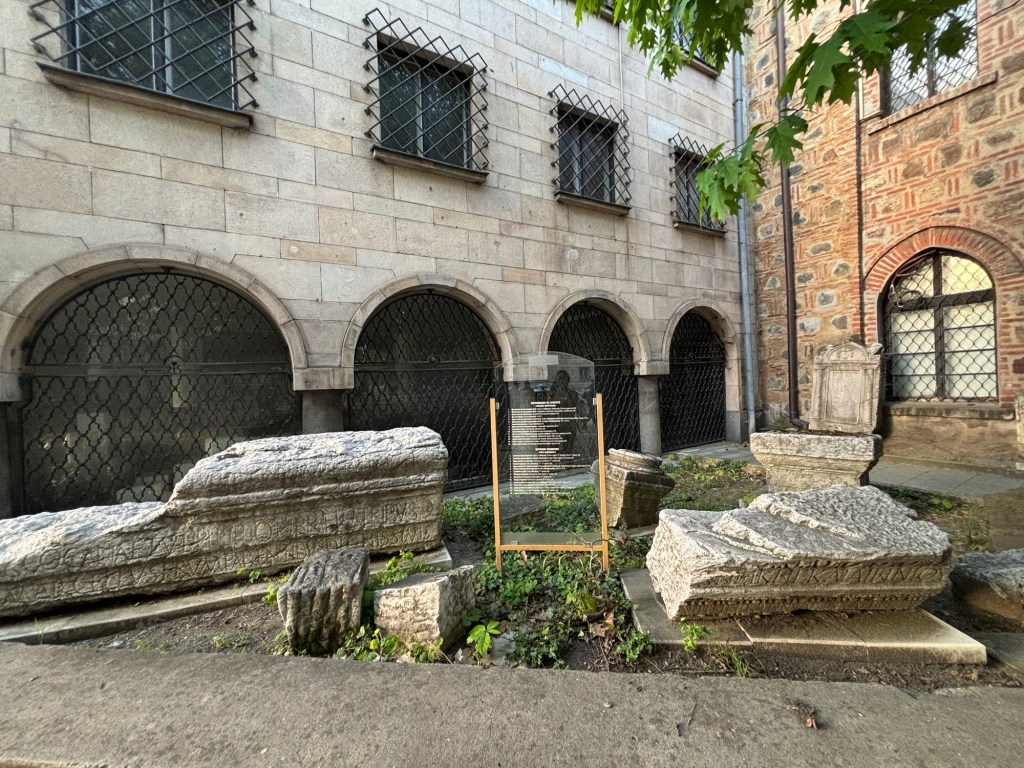
Serdica Ruins – just outside the station are remnants of 8 streets, a church, Roman baths, and houses.
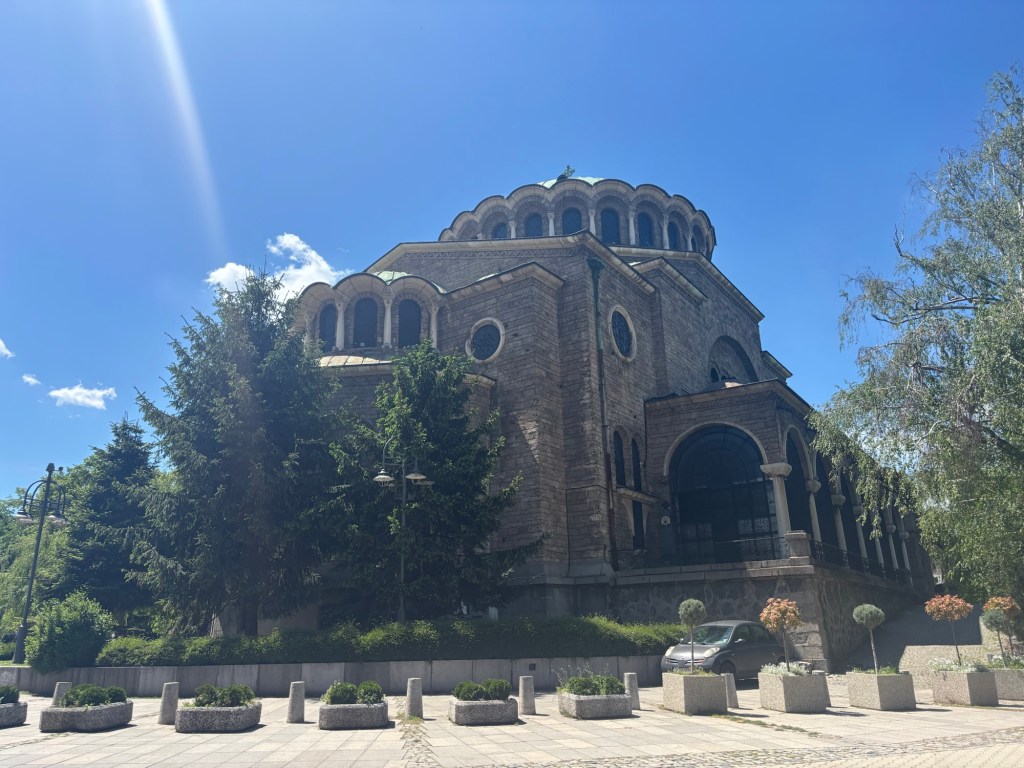
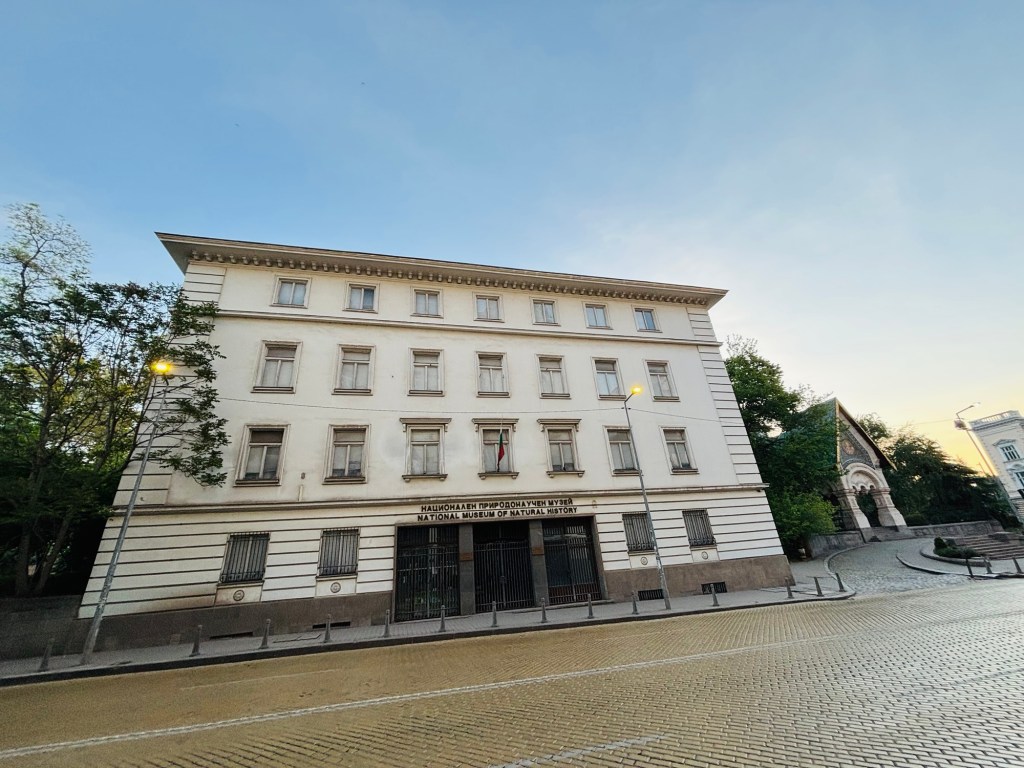
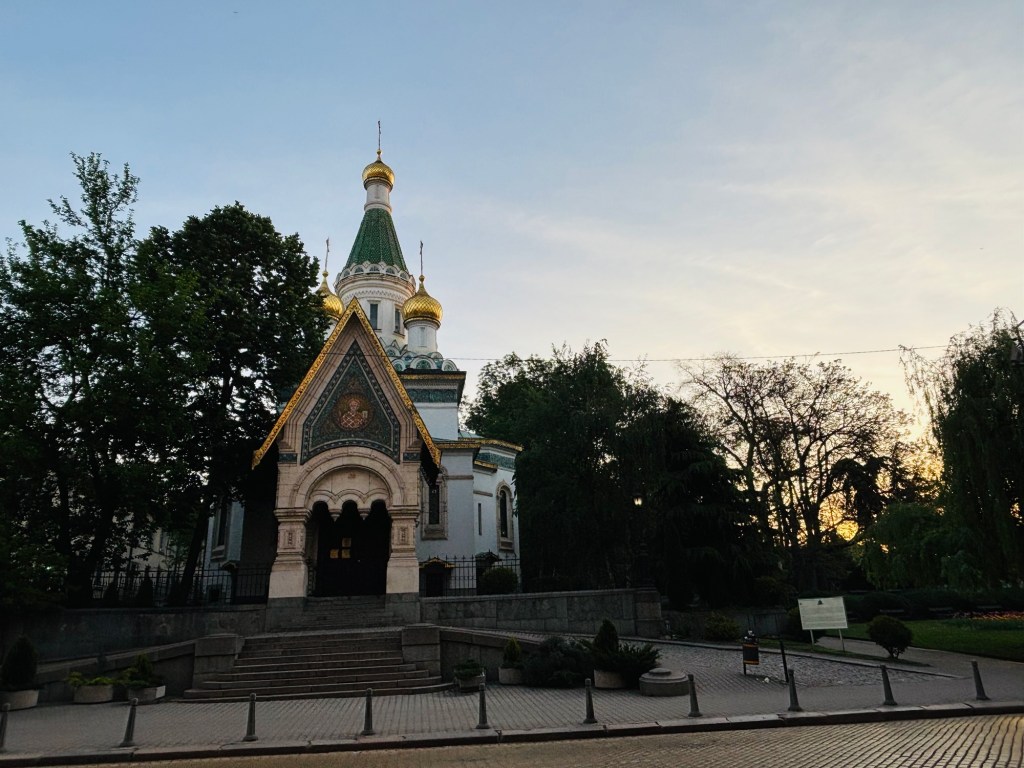
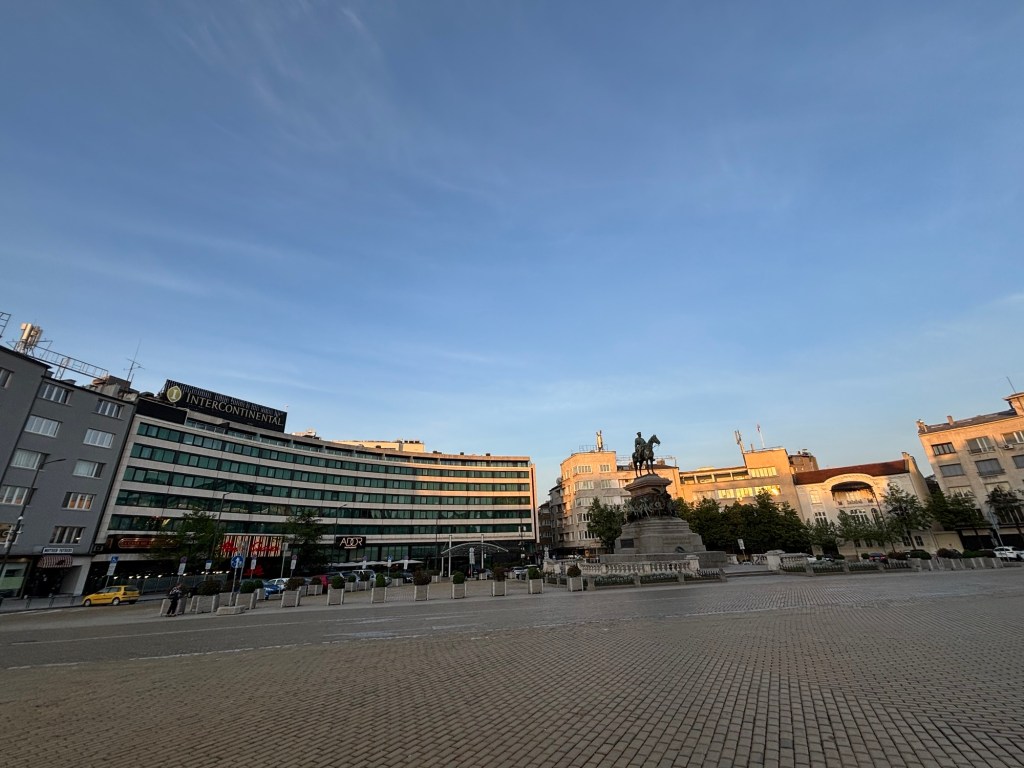
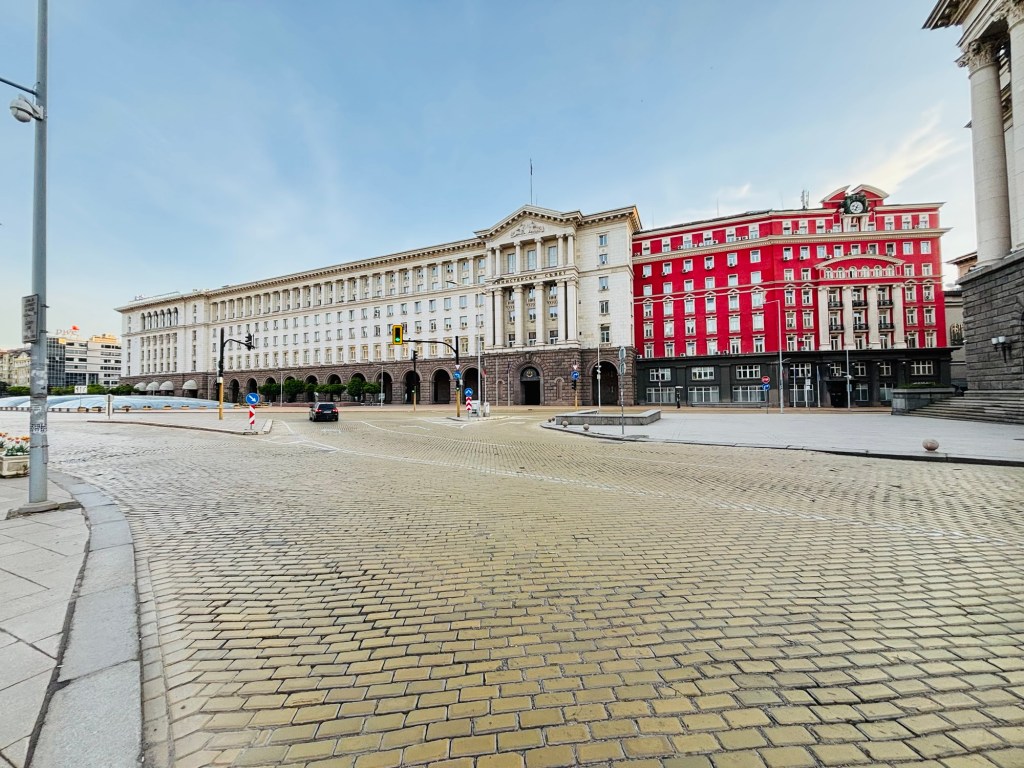
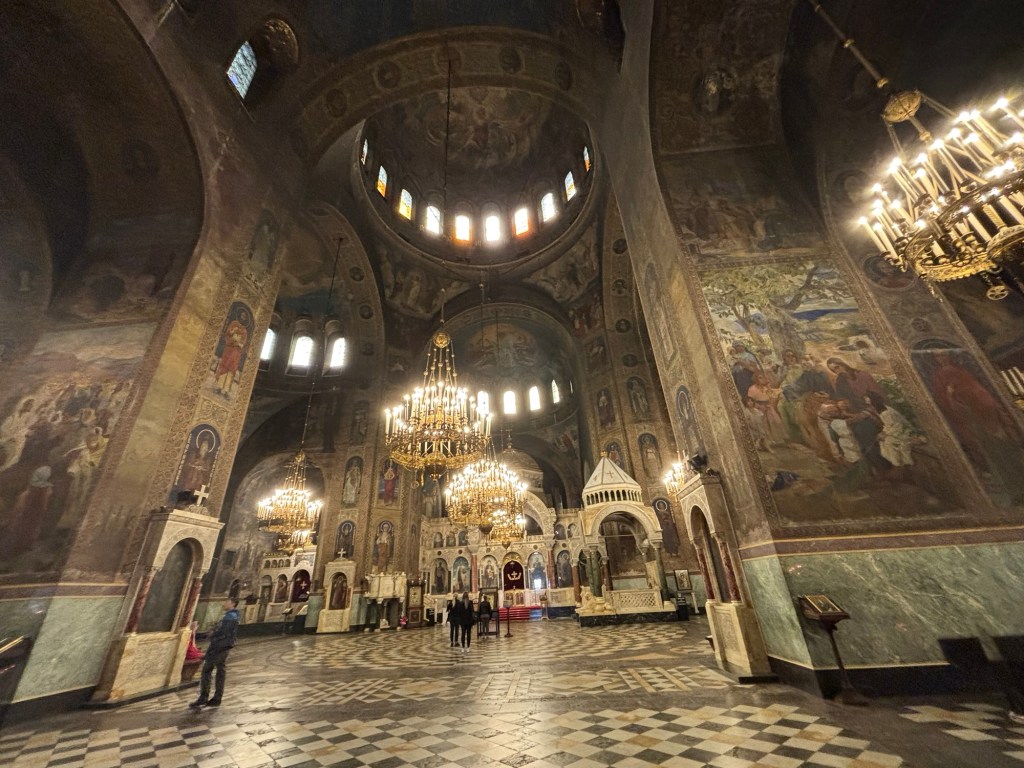
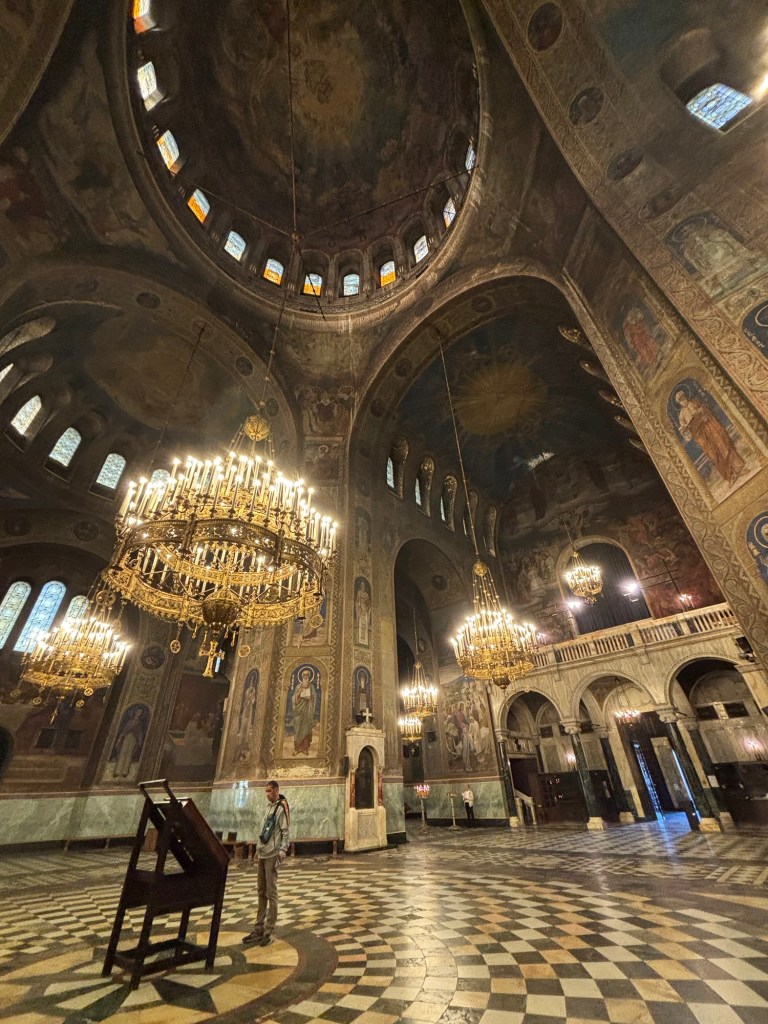
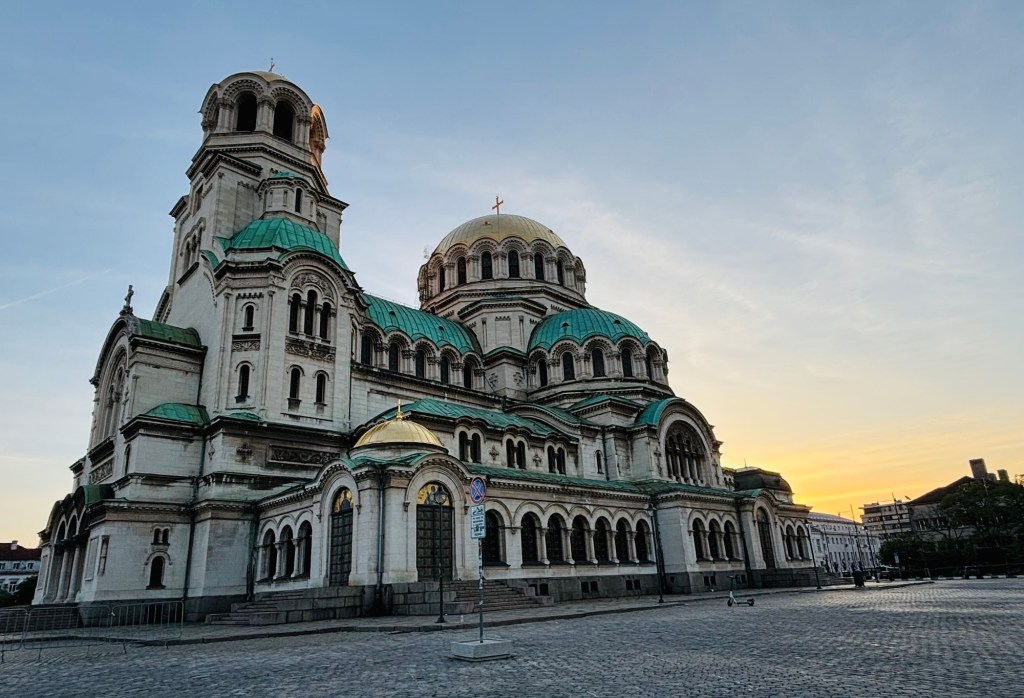
🏛️ Alexander Nevsky Cathedral – one of the largest Eastern Orthodox cathedrals in the world and a major symbol of Sofia. It was built to honor the Russian soldiers who died liberating Bulgaria from Ottoman rule during the Russo-Turkish War (1877–1878). This massive and marvelous cathedral is a must-visit in Sofia.
Day Trip: Rila Monastery & Boyana Church
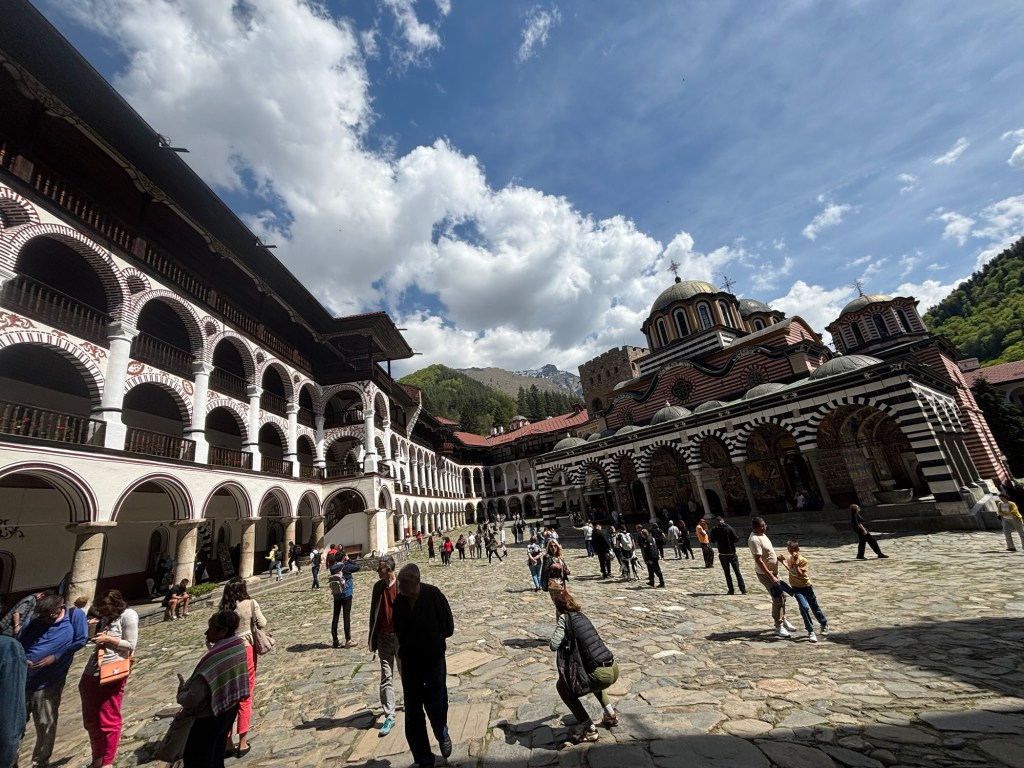
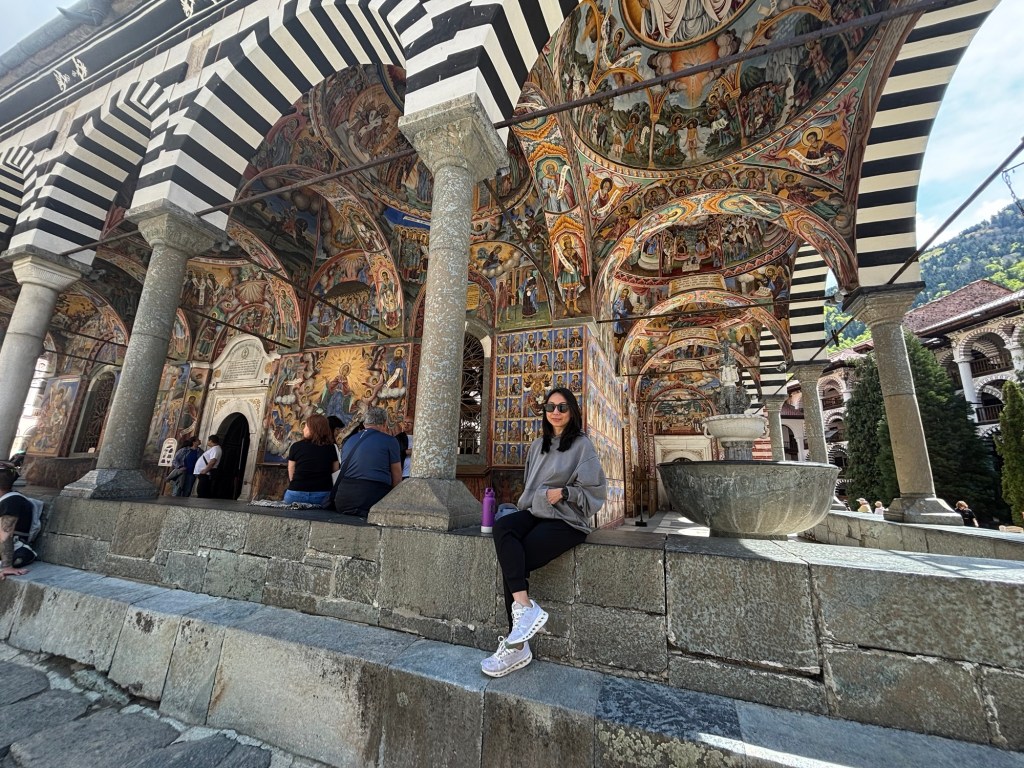
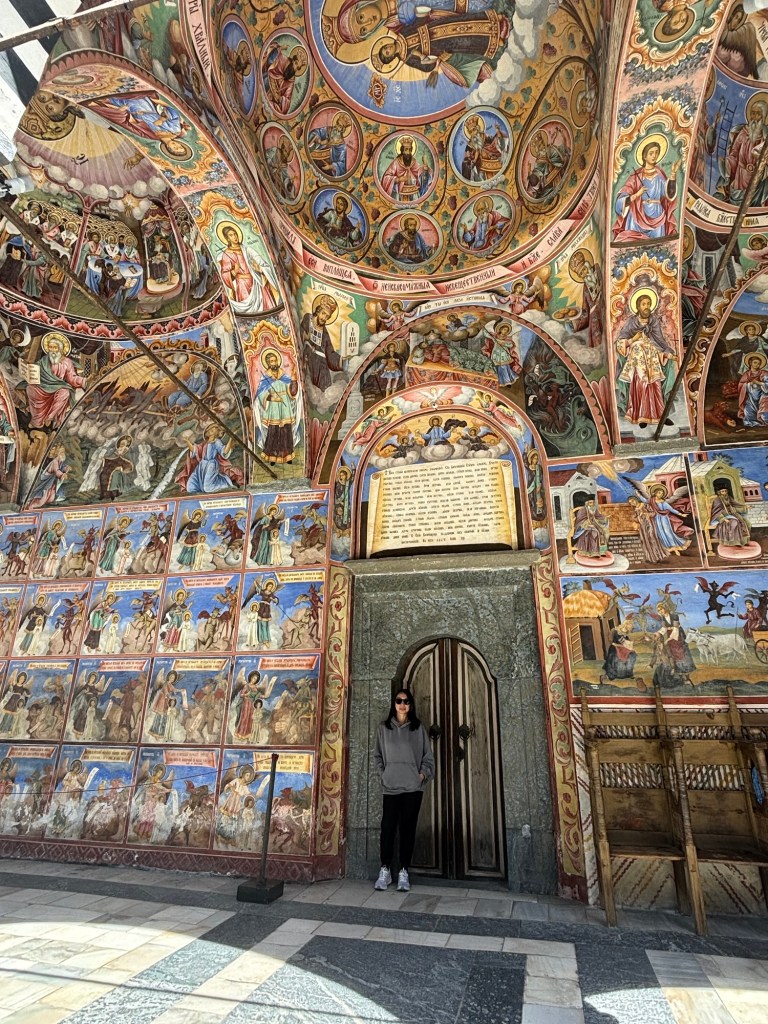
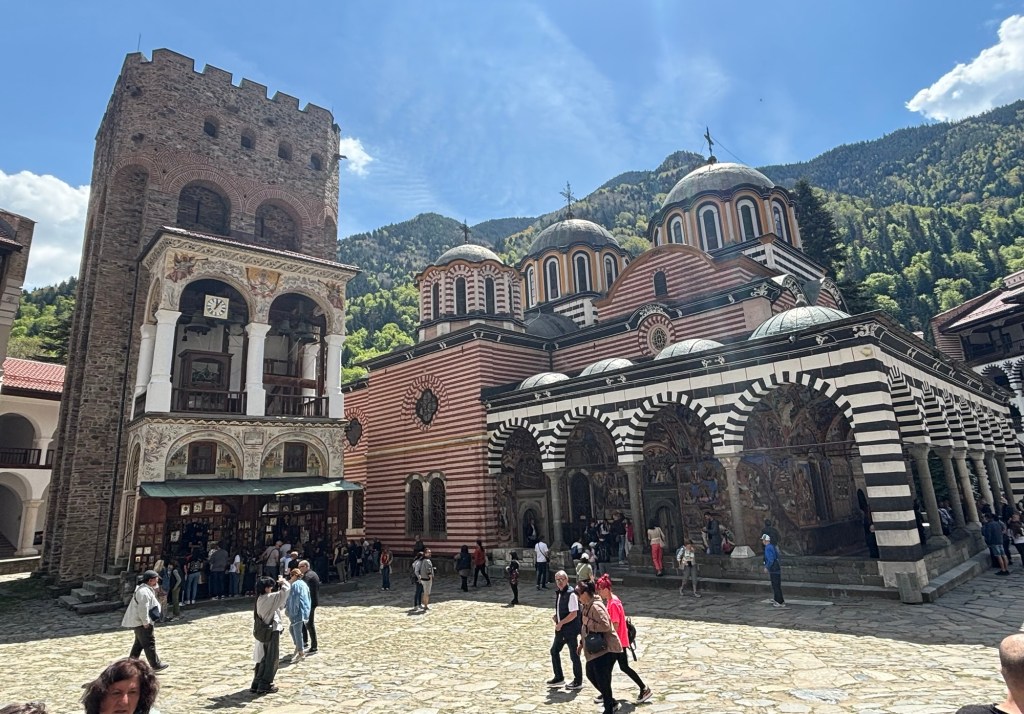
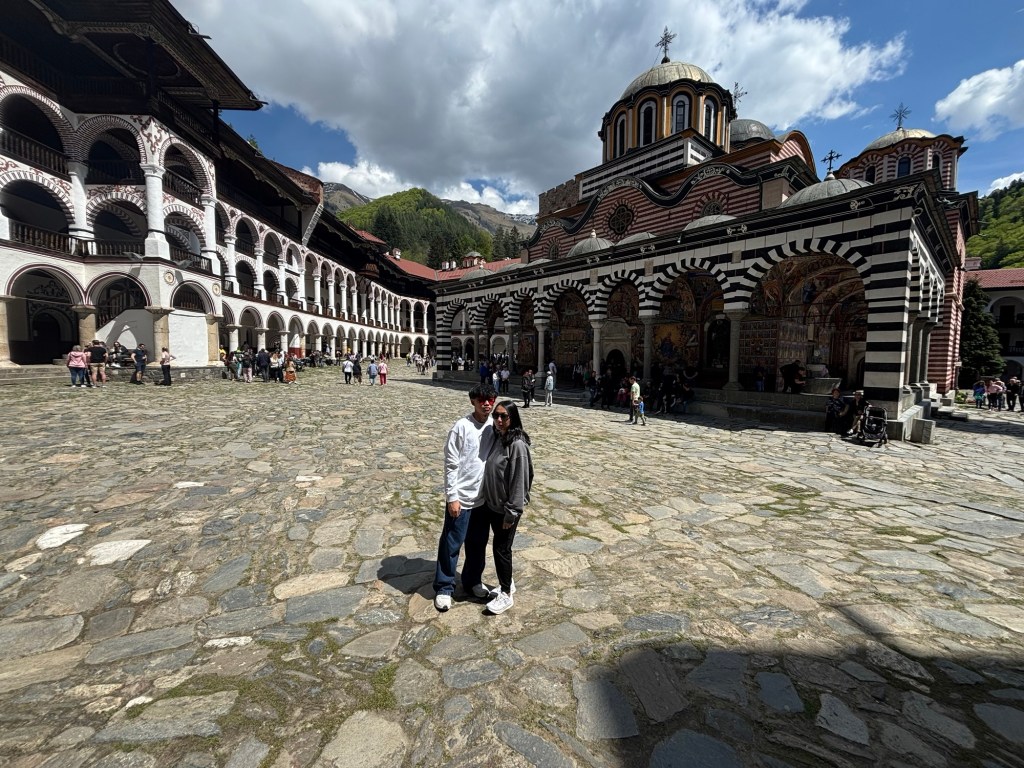
About two hours from Sofia lies the Rila Monastery, over 1,000 years old and a UNESCO World Heritage Site since 1983. It’s Bulgaria’s largest and most famous Eastern Orthodox monastery, founded by St. Ivan of Rila, whose remains still rest there.
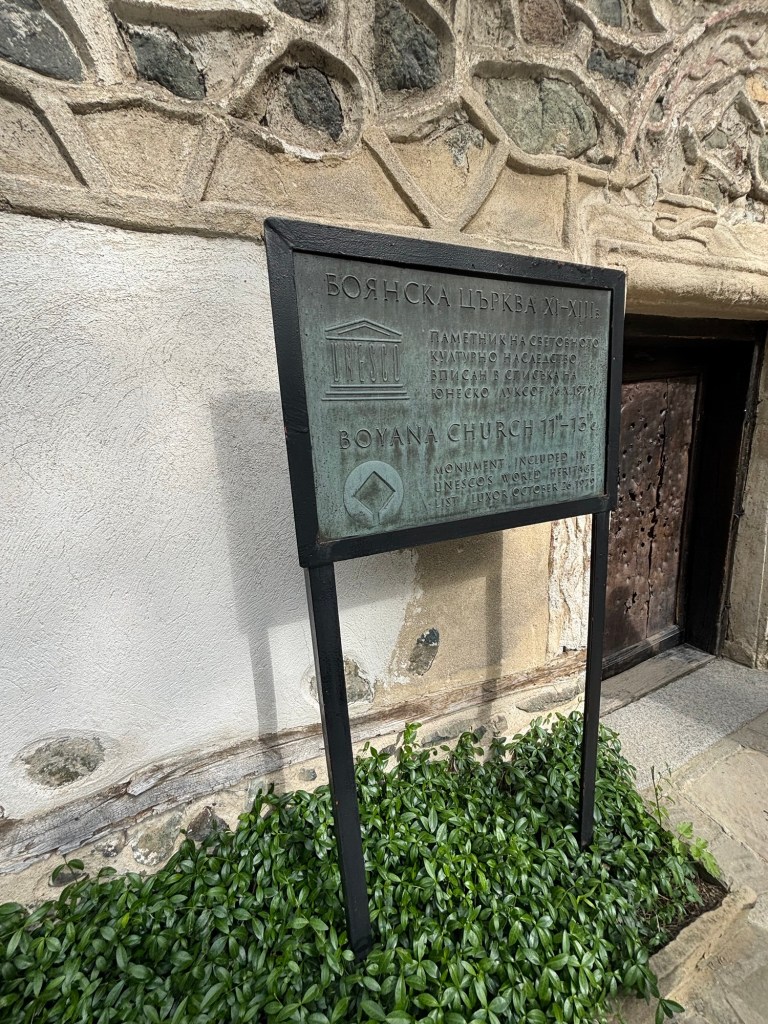
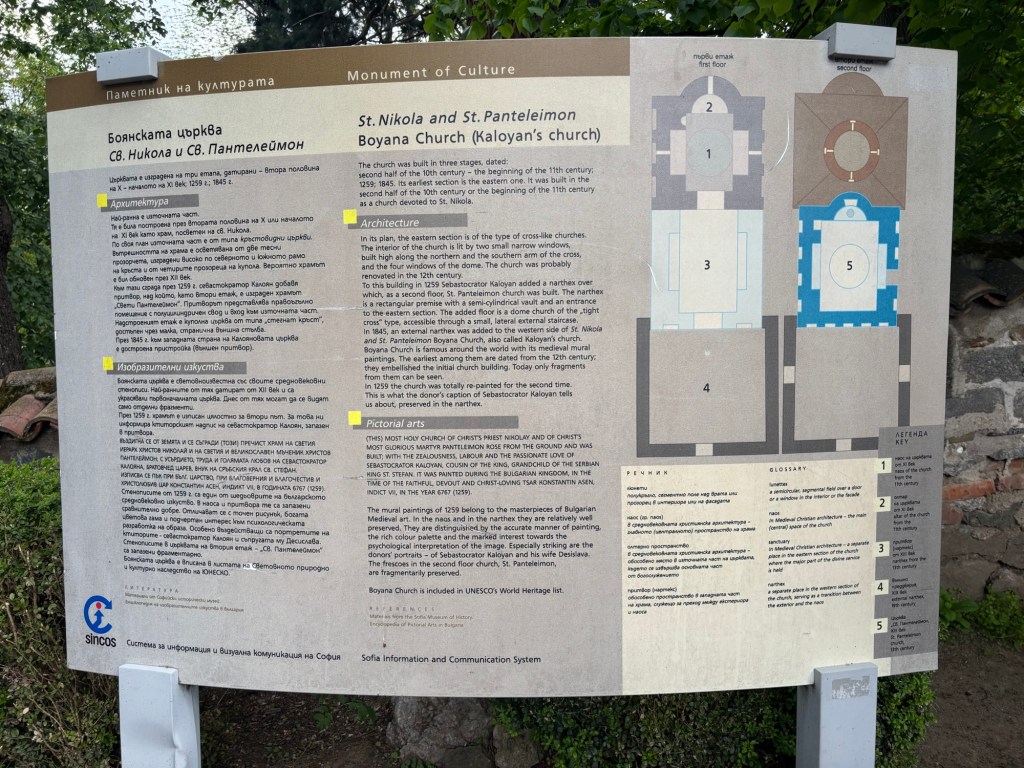
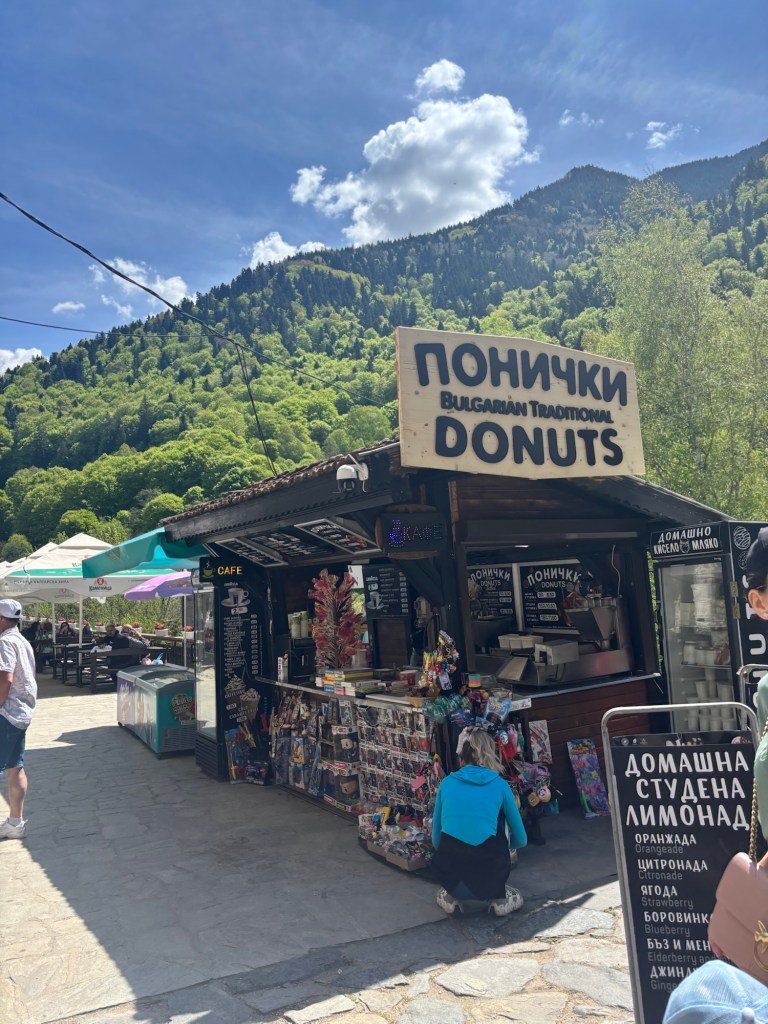
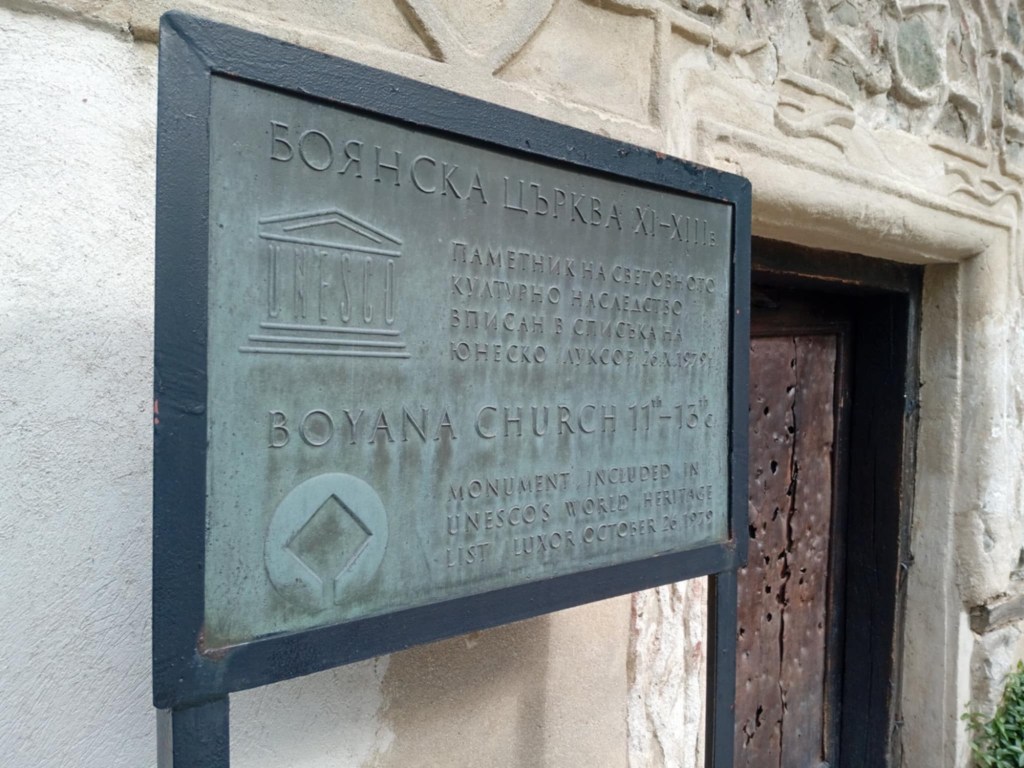
Another UNESCO site is Boyana Church, located on Sofia’s outskirts. Its 1259 frescoes are a remarkable example of medieval Bulgarian art and cultural heritage.
As a protection measure for the artworks, air-conditioning was installed to keep the temperature at 17–18 degrees Celsius (62–64 Fahrenheit), with low-heat lighting. Groups of up to 8 visitors are permitted to stay for 10 minutes and no photos are allowed.
Exploring Plovdiv: Bulgaria’s Cultural Gem
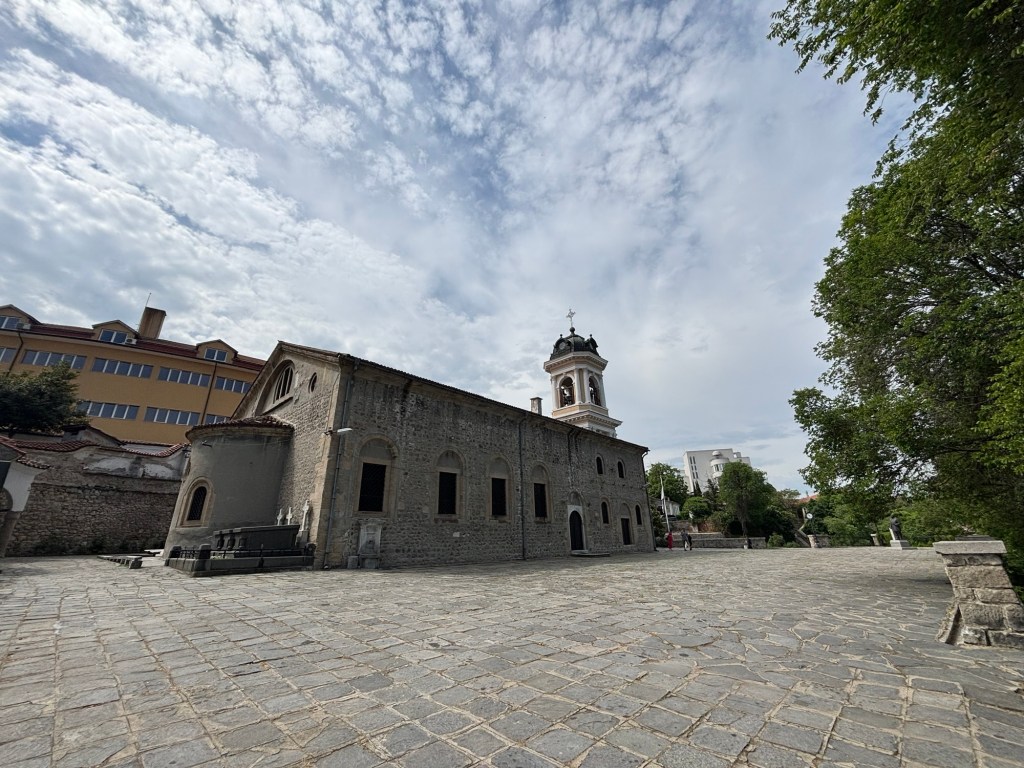
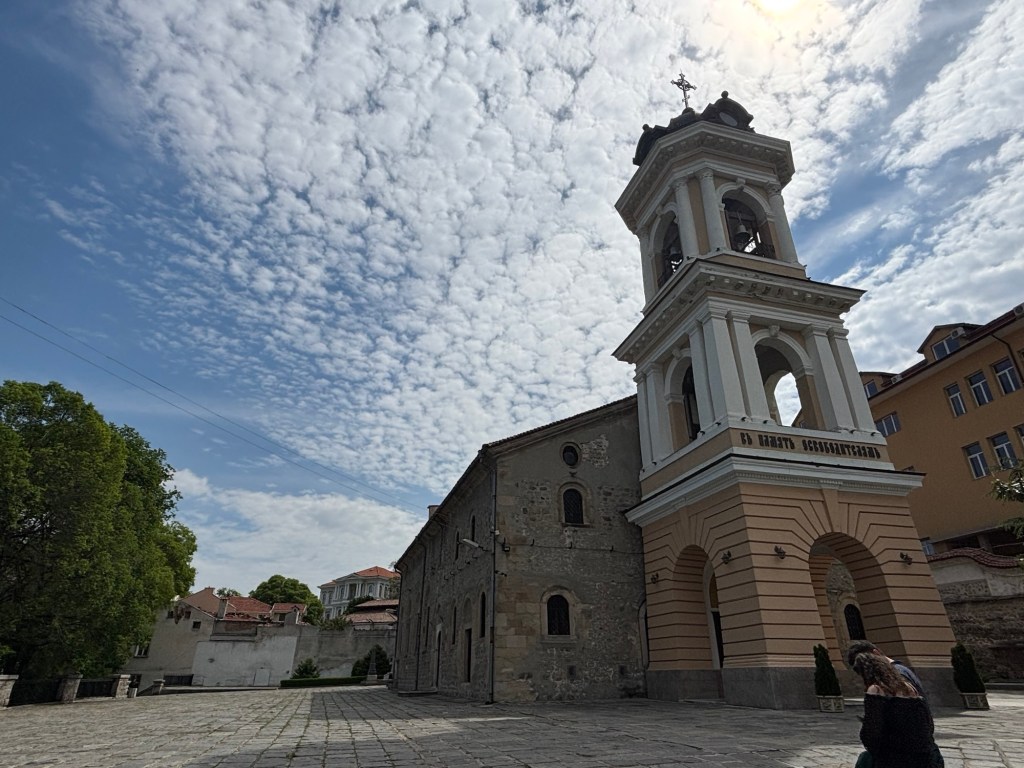
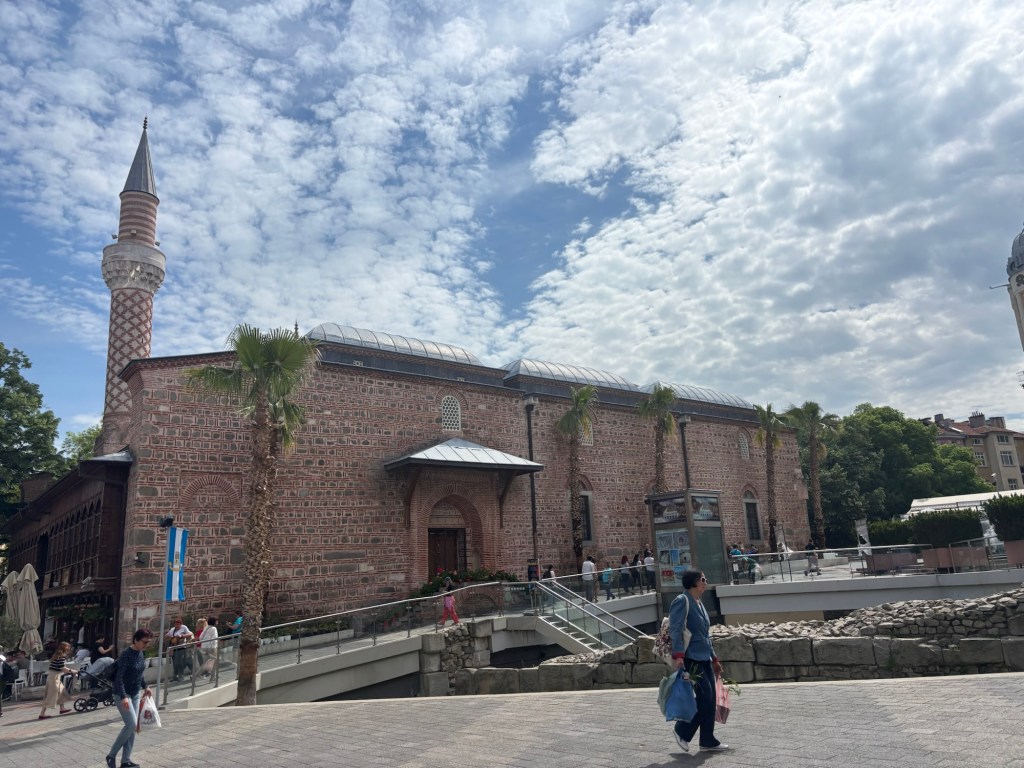
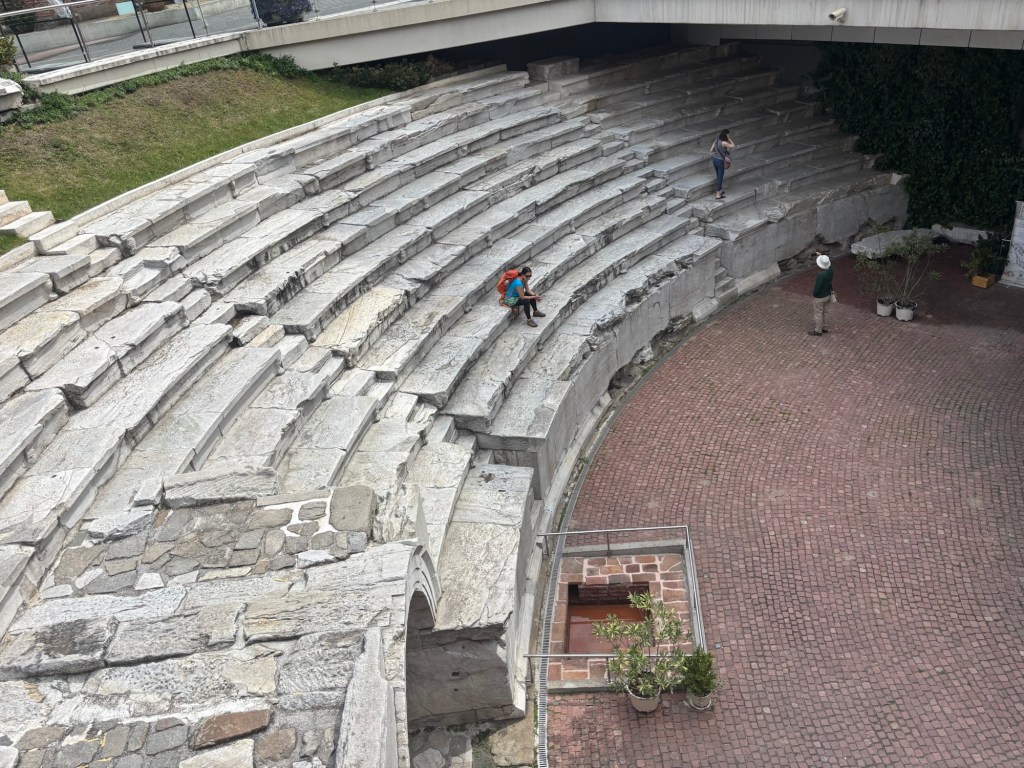
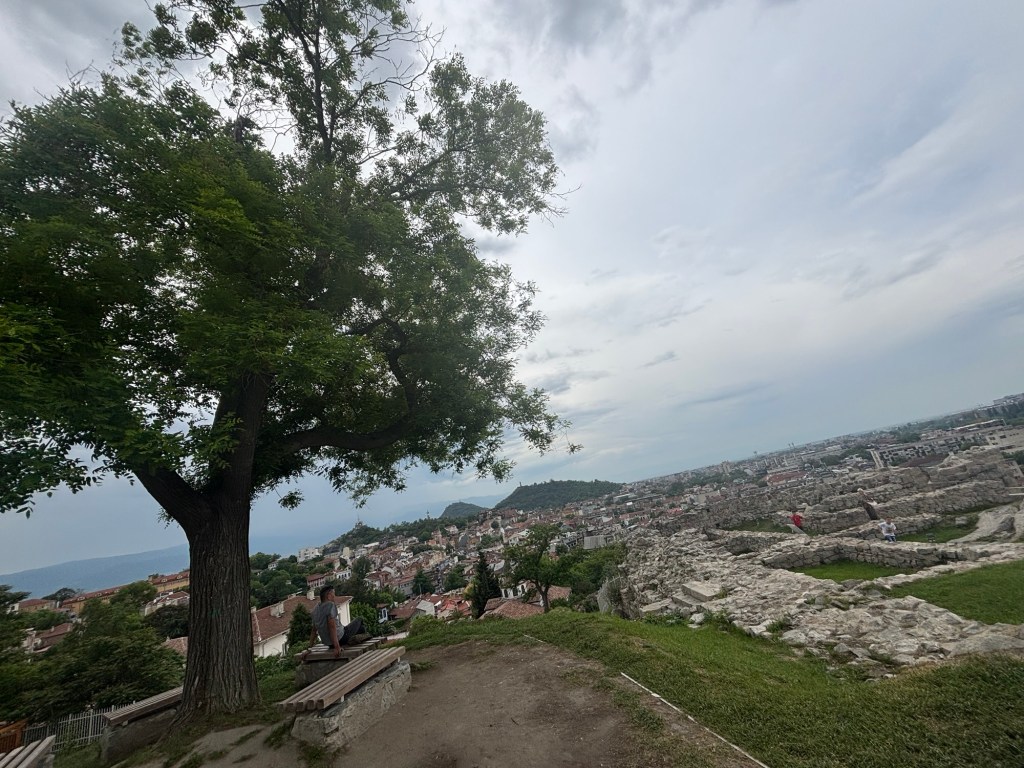
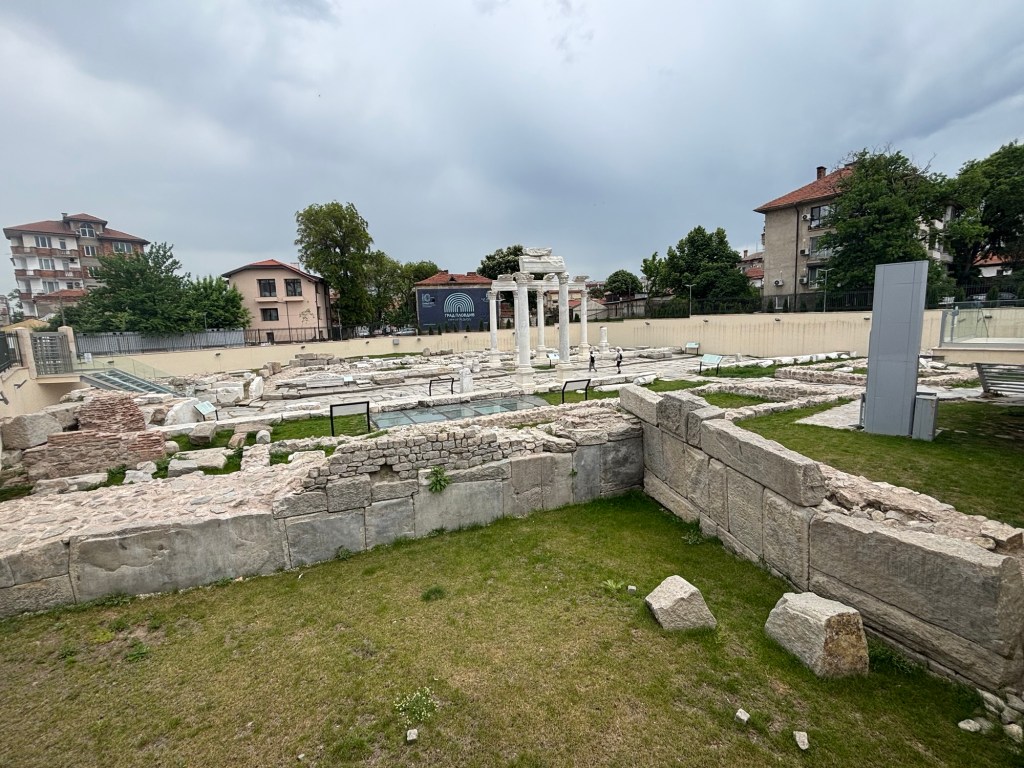
Our next day trip took us to Plovdiv, the oldest city in Europe, having been founded about 6000 BCE. The highlight is the ancient Roman amphitheater, followed by the Roman stadium, both must-sees.
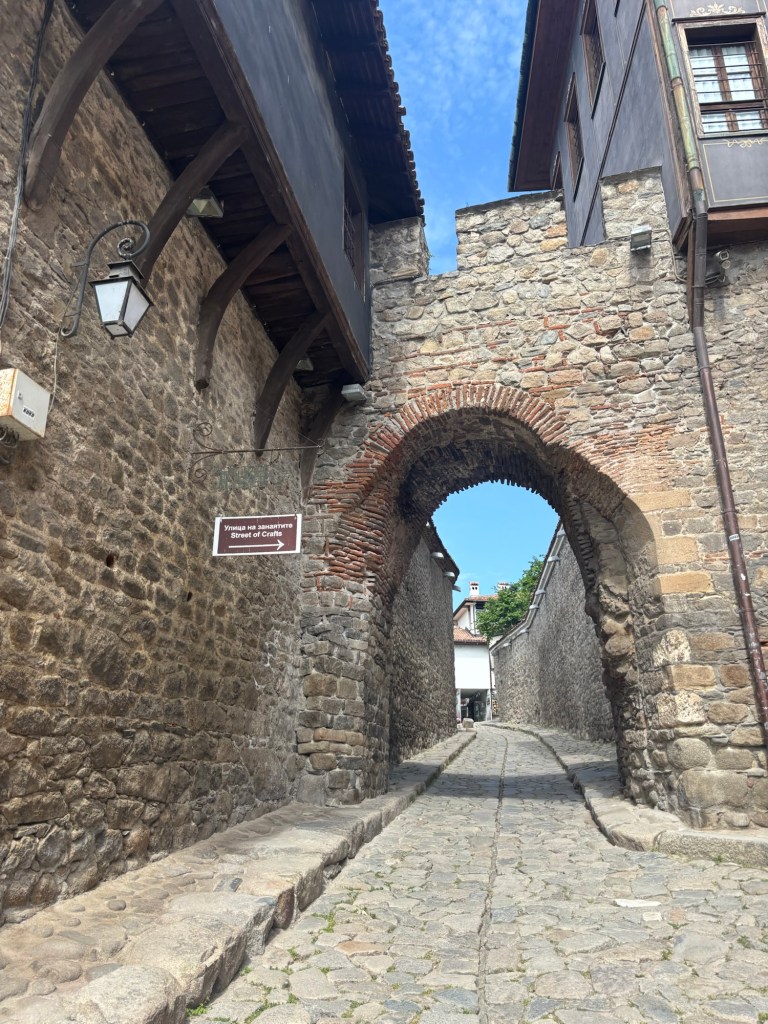
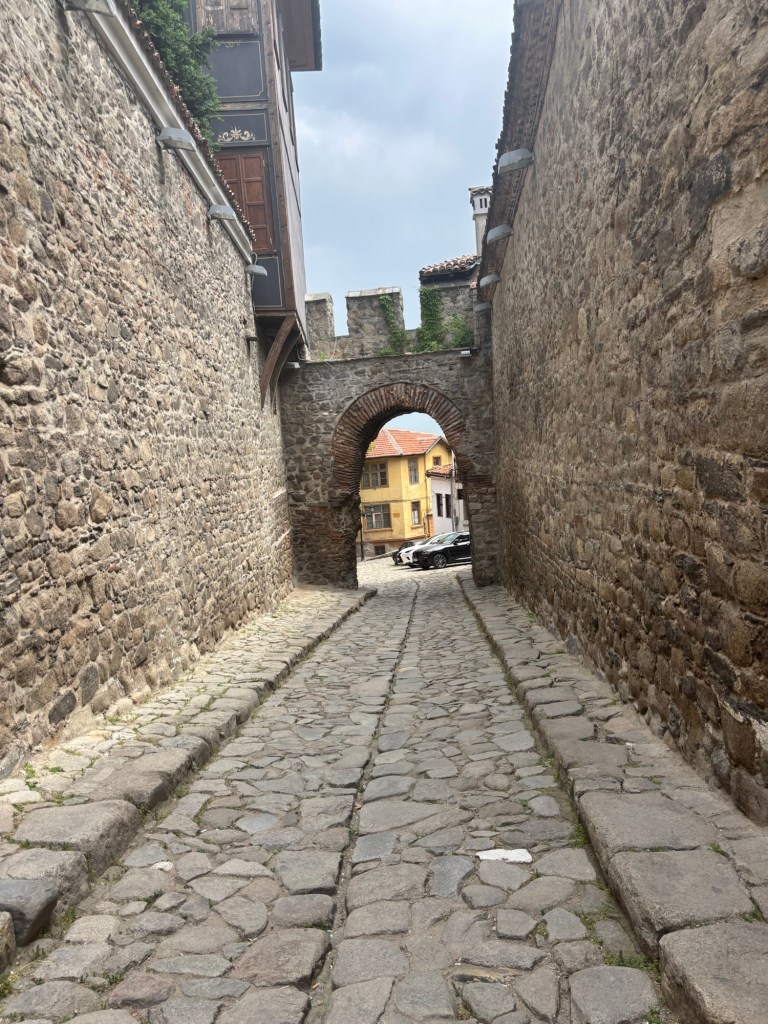
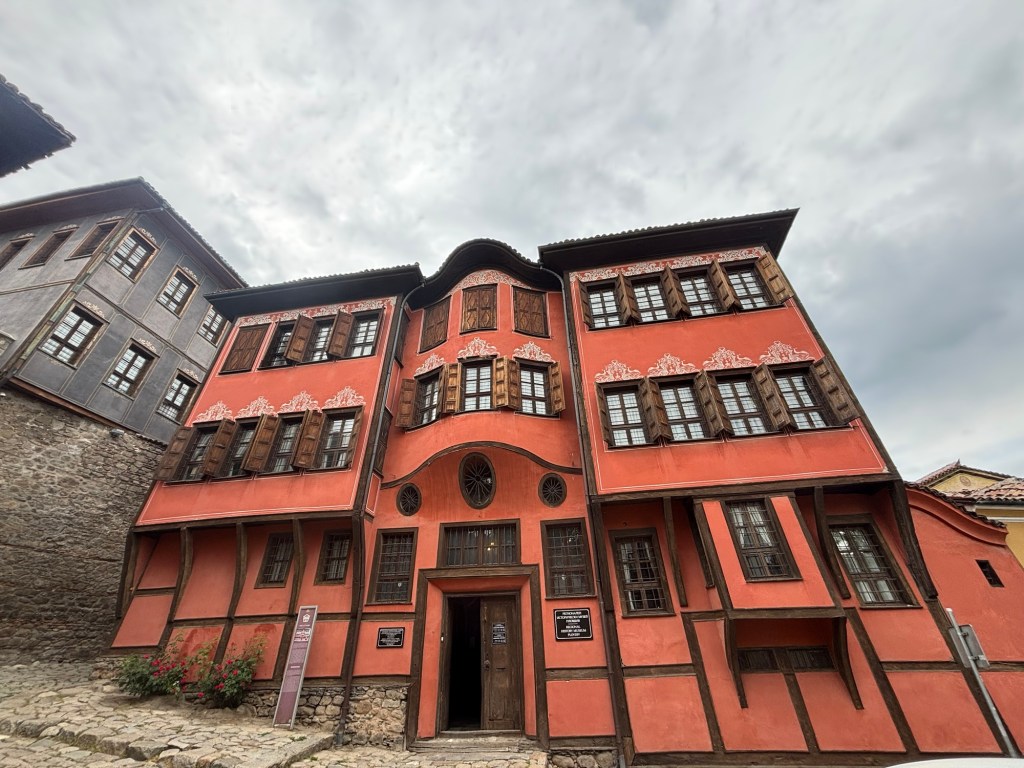
The Old Town is full of beautifully painted, cantilevered houses, museums, and antique shops—a perfect example of Bulgarian National Revival architecture. Plovdiv has a slightly worn charm that sets it apart from other European cities.
Final Thoughts on Bulgaria
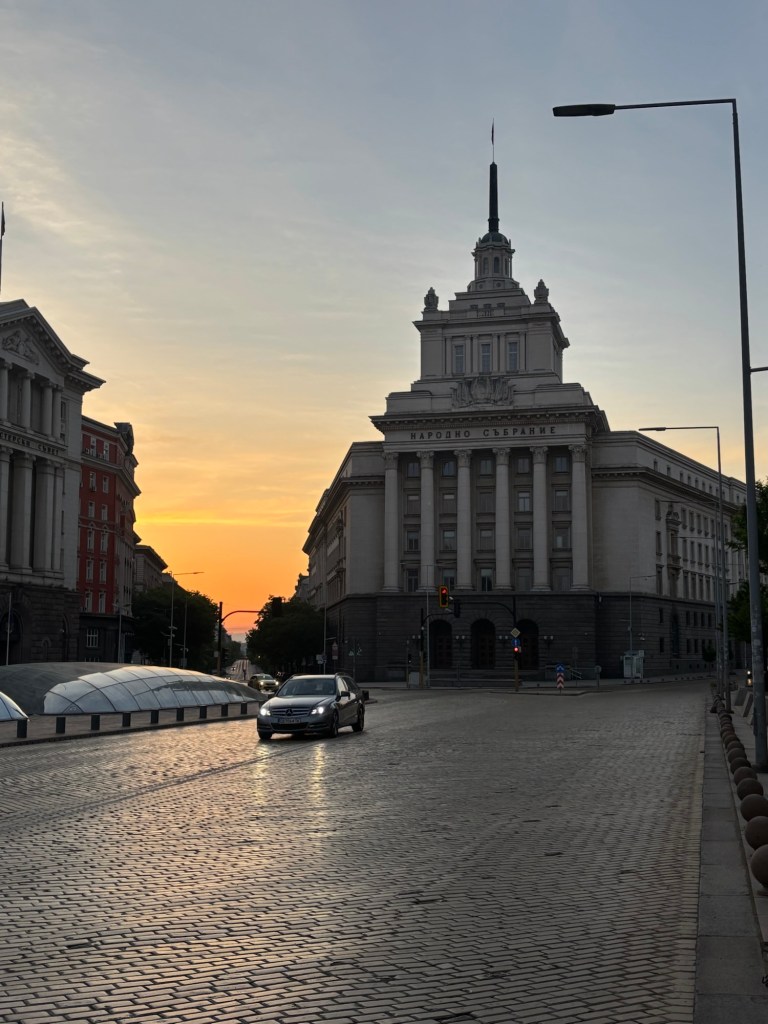
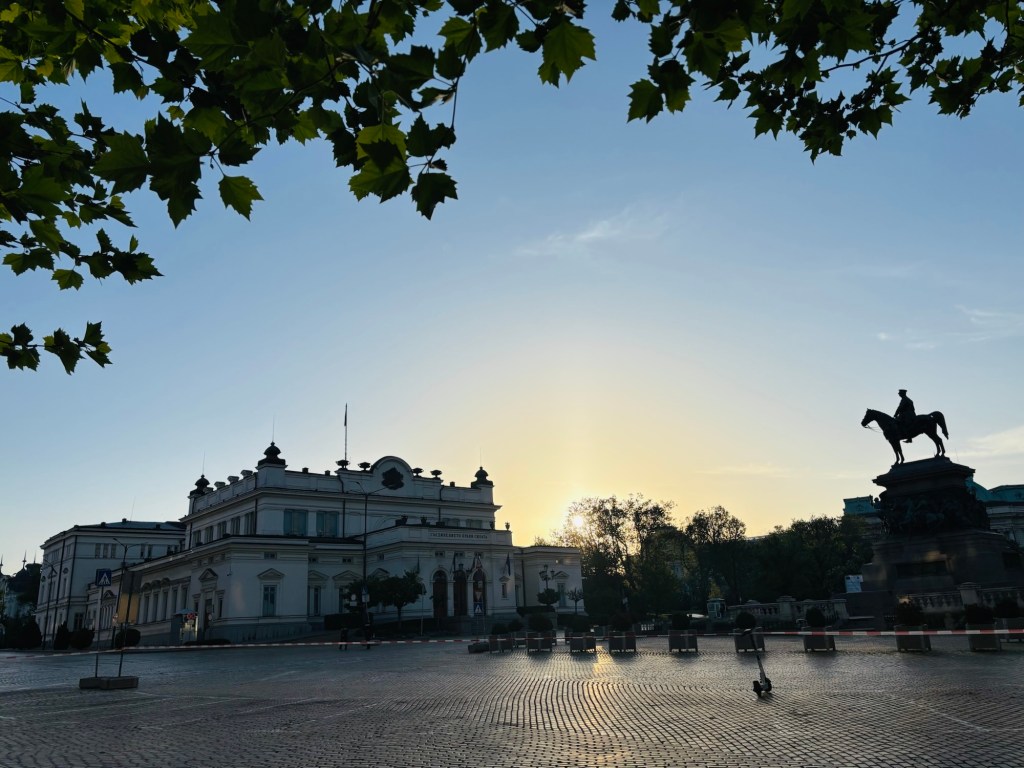
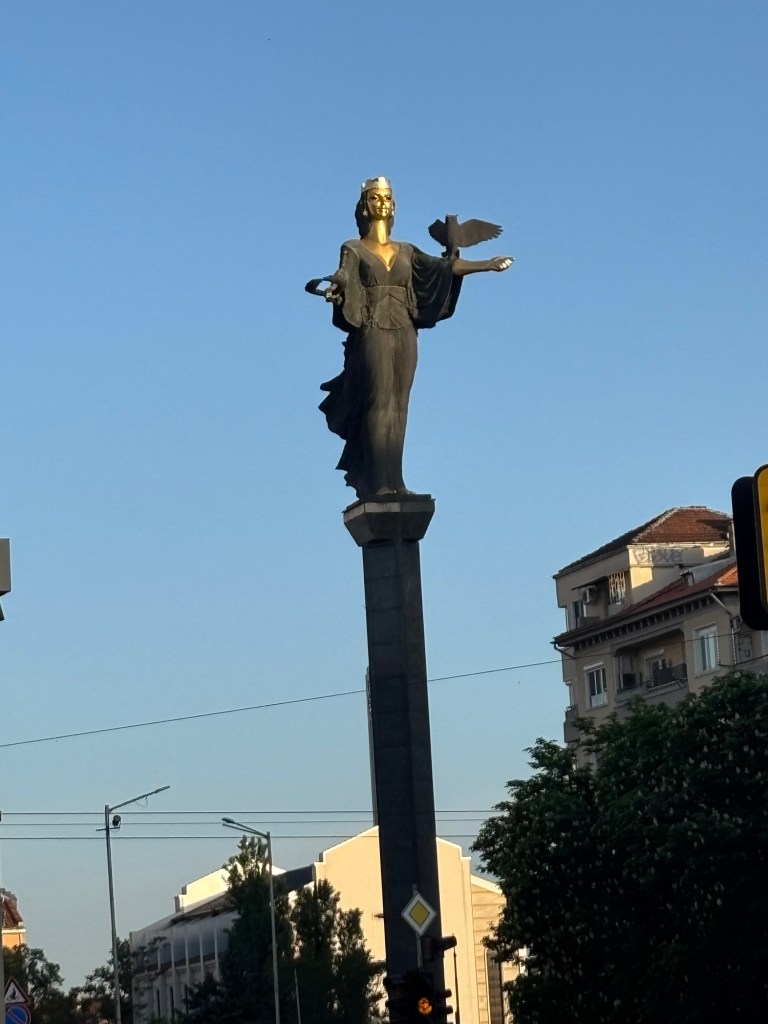
Sofia’s city center is compact and walkable. What makes it special for me? Aside from the stunning architecture and stumbling into ruins every other block (okay maybe exag, but there’s really a lot), I love that you can walk down a narrow street and suddenly see a mountain at the end—pretty magical.
Nice to know:
Hotel: St. George – advertised as a family hotel, we loved the small balcony where we’d relax after a day of exploring. The kitchenette also helped Manny whip up breakfast, saving us on expenses.
Currency: Bulgarian Lev (~₱32 per Lev)
You can tap your debit card at the subway entrance—so convenient! (Again, my BPI card came in handy—no fees!)
Next up… Greece! 🇬🇷 (Stay tuned!)
 norhene