Our last destination—and the highlight of the trip—was Greece.
After a train ride of about 40 minutes with 15 stops from the airport, we arrived at Monastiriki station. The ~40 minute train ride was worth it with this view.
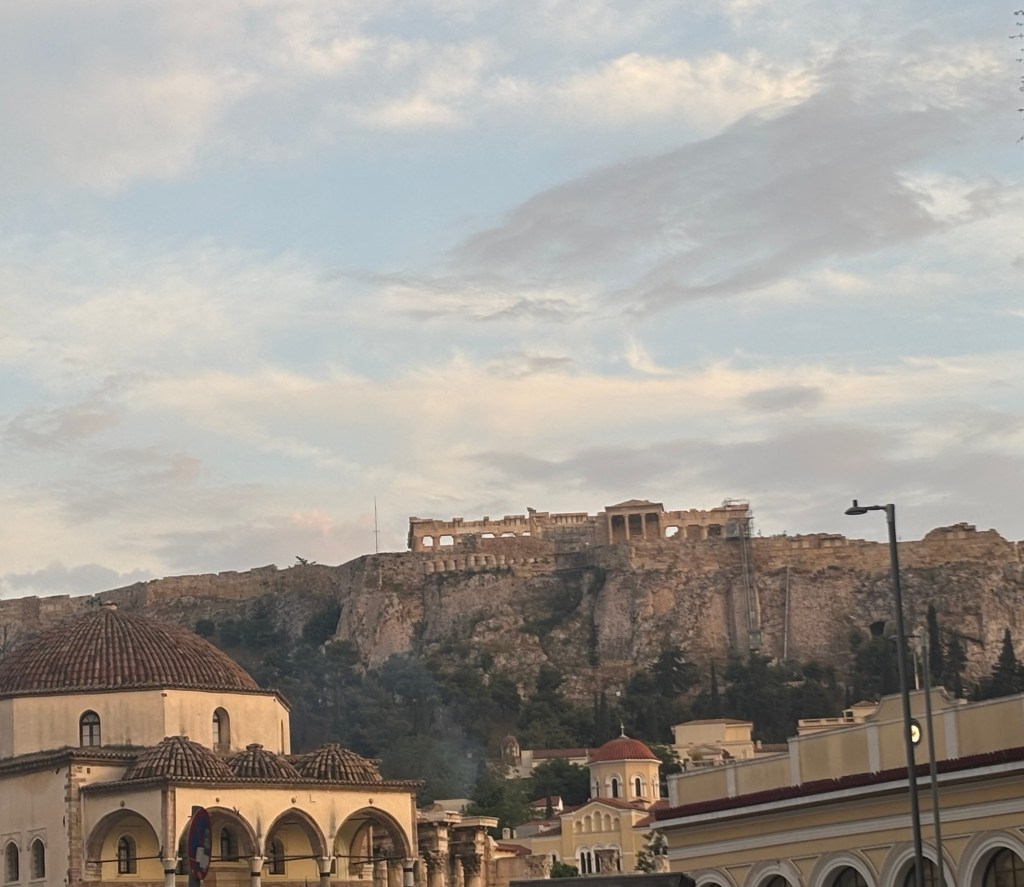
Our hotel, Evripides Hotel, was just a 7-minute walk from there.
Located in the historic Psirri neighborhood—one of the oldest in Athens—our hotel was perfectly situated. We were within walking distance of nearly every major attraction.
Even the Central Market of Athens was just a block away—a great place to eat affordably compared to the touristy restaurants nearby.
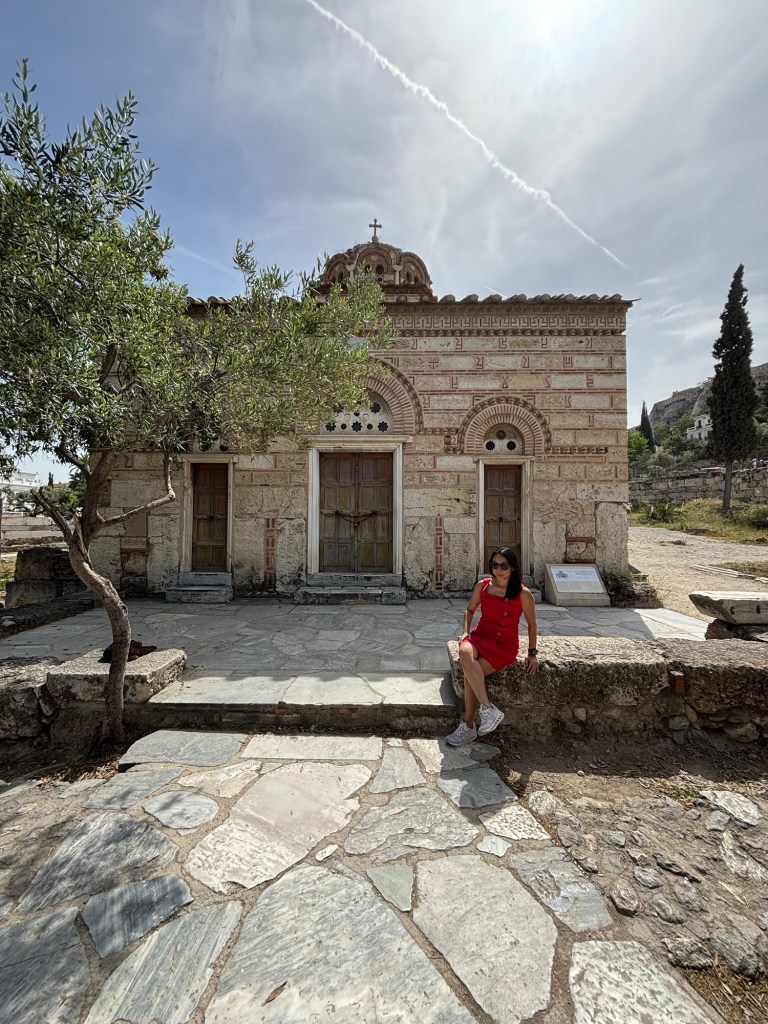
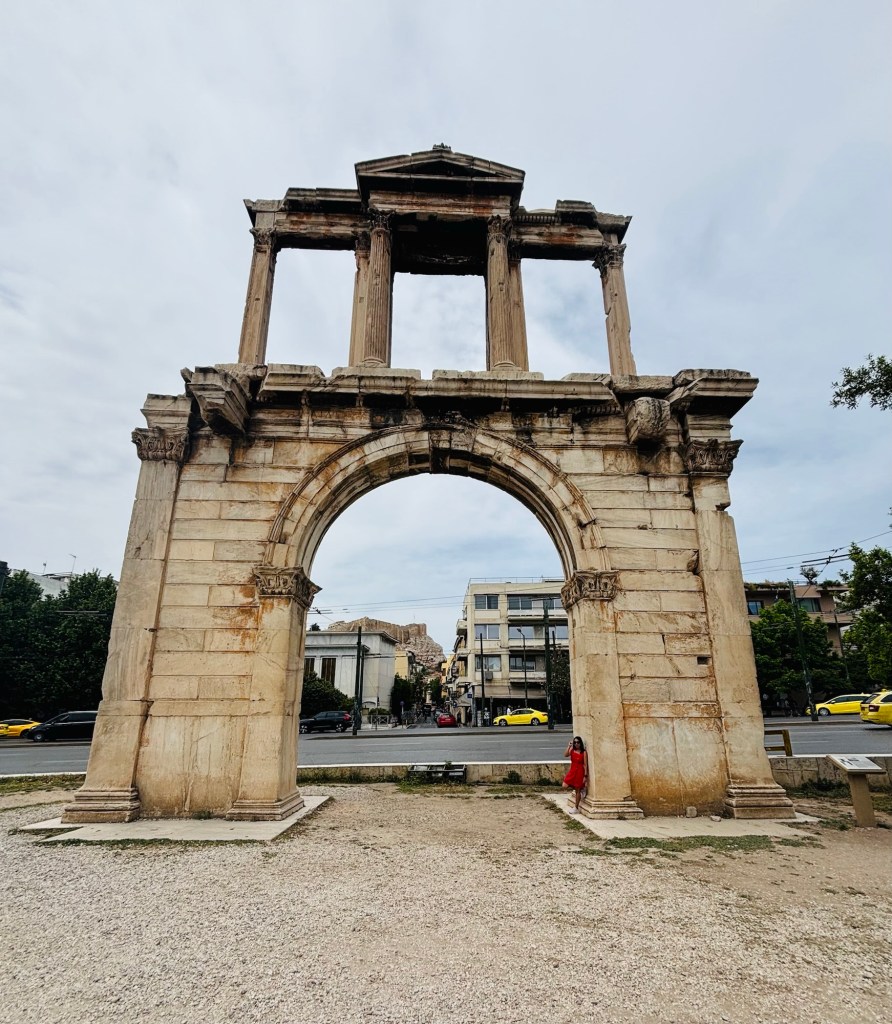
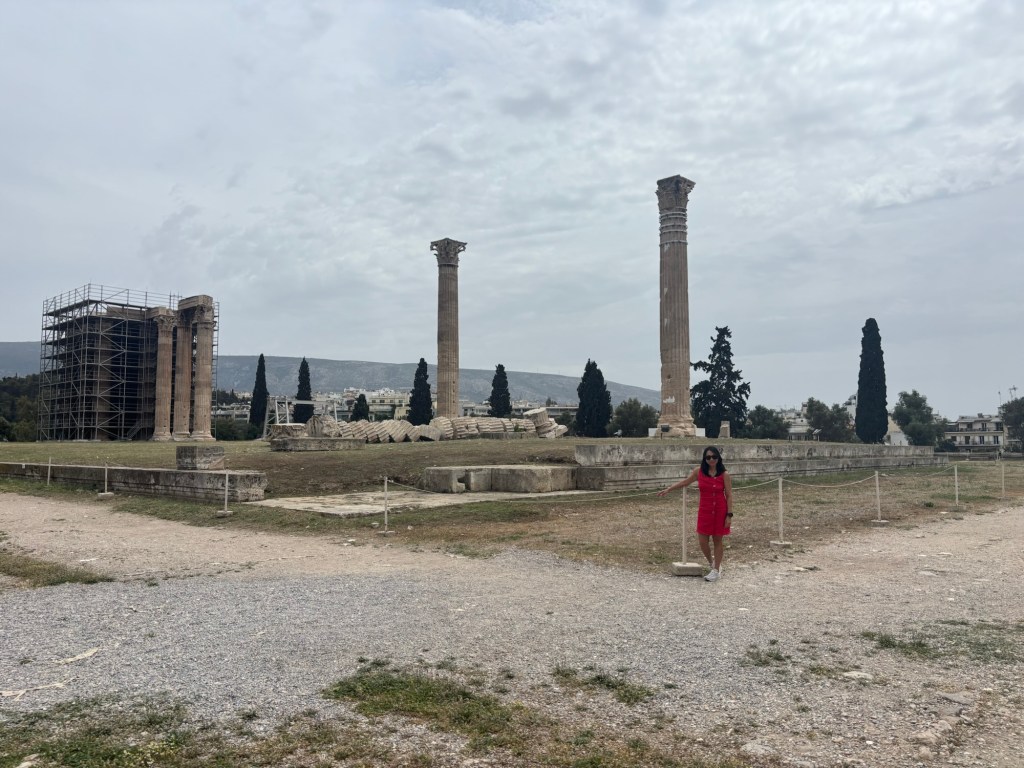
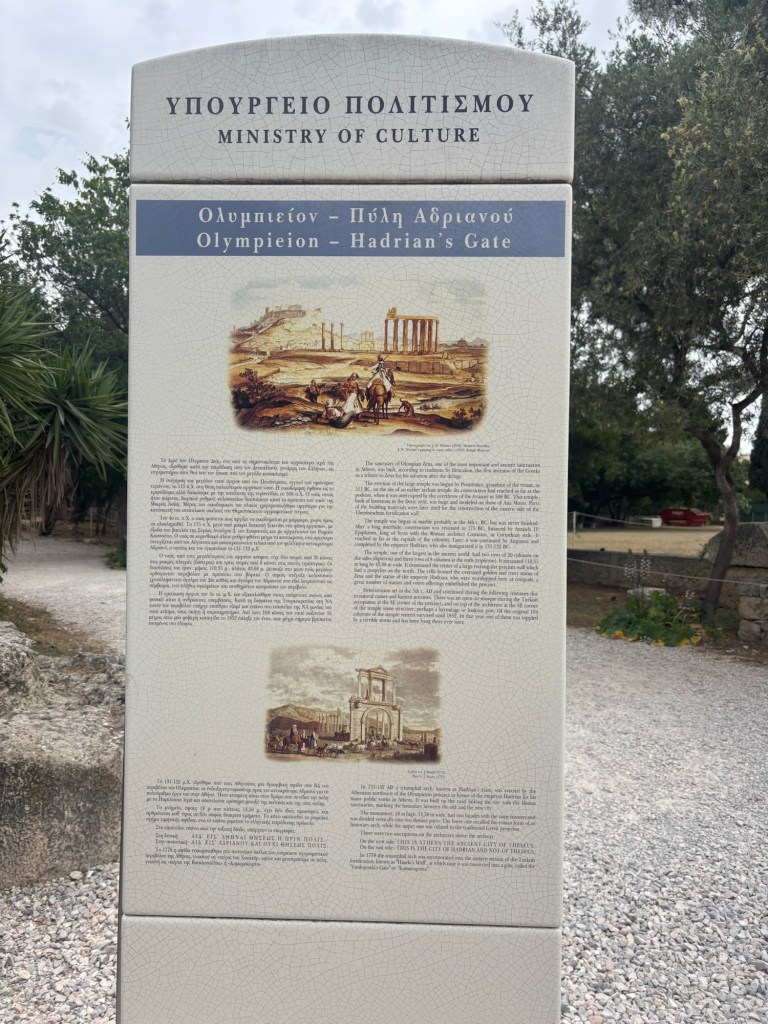
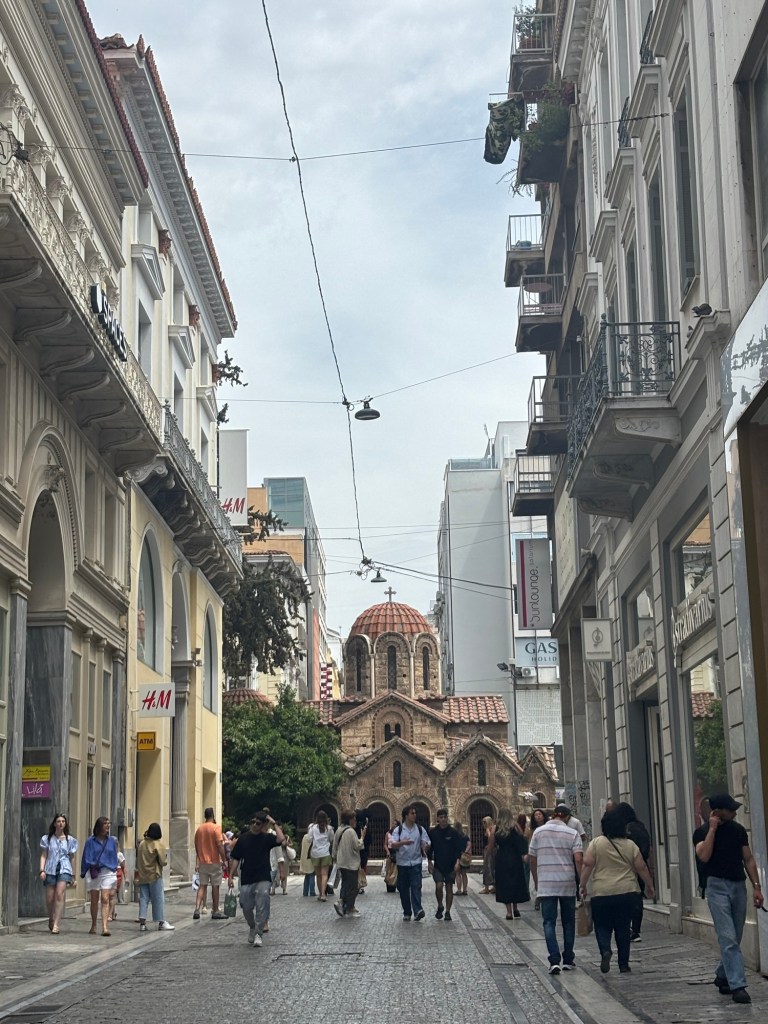
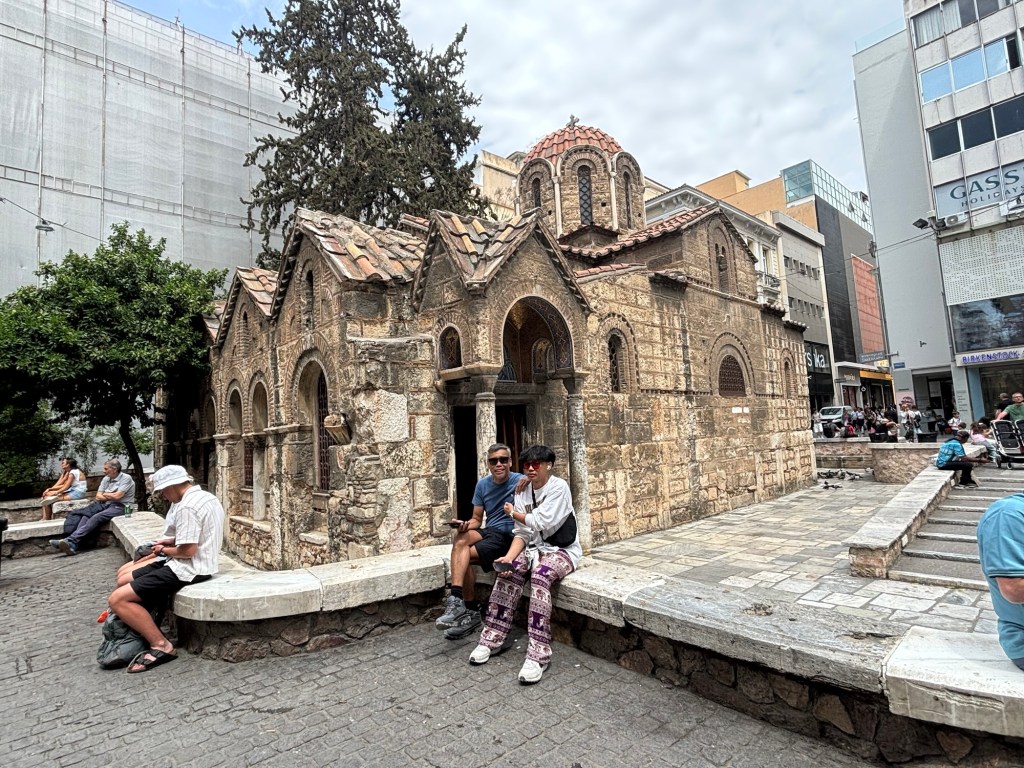
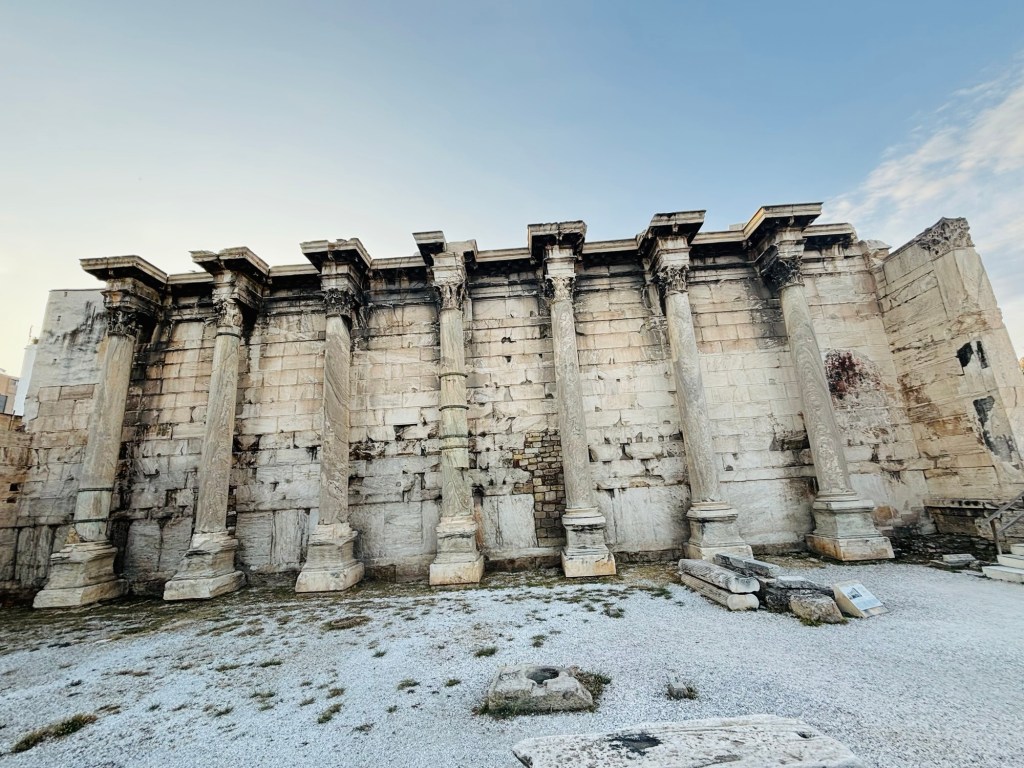
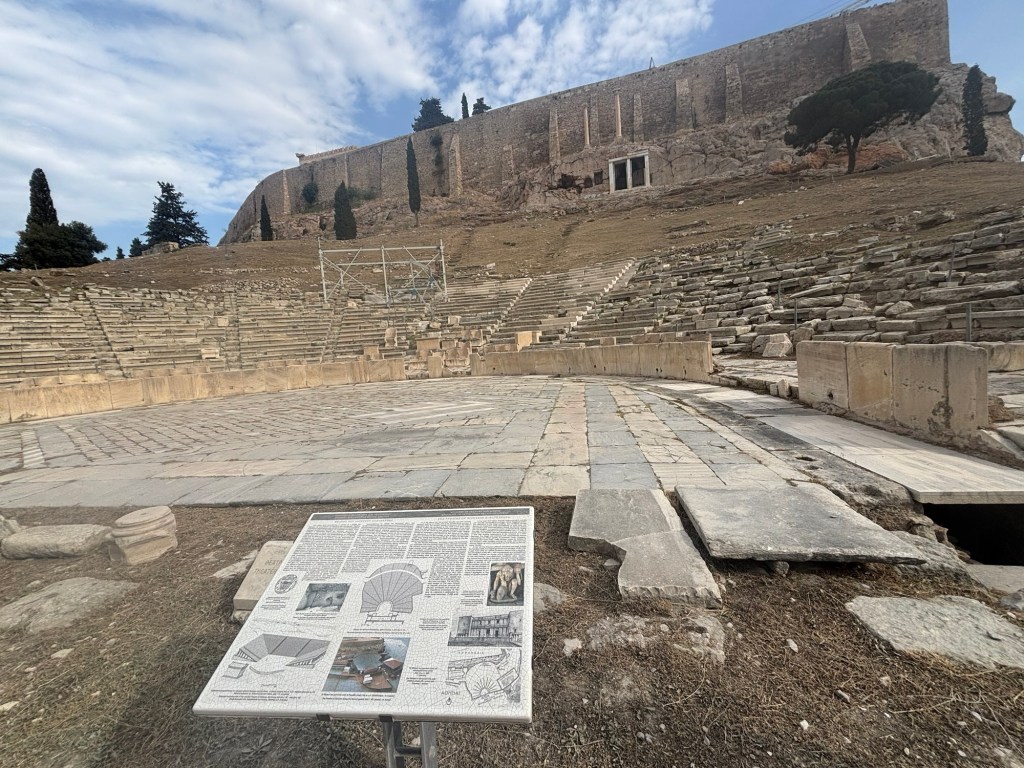
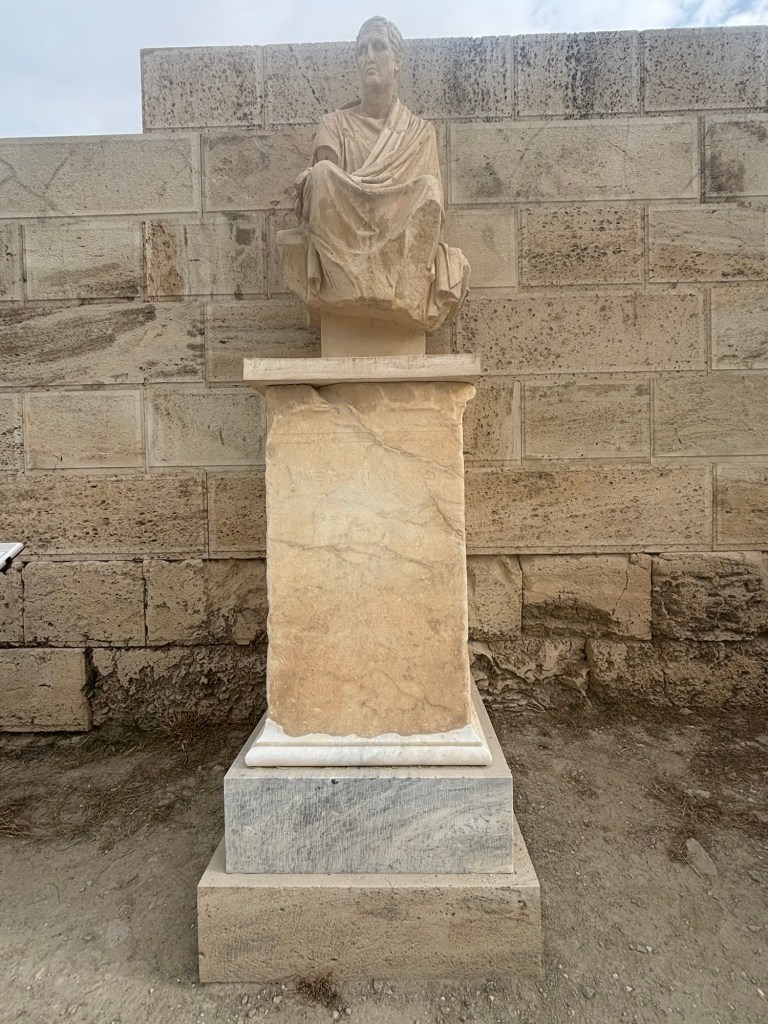
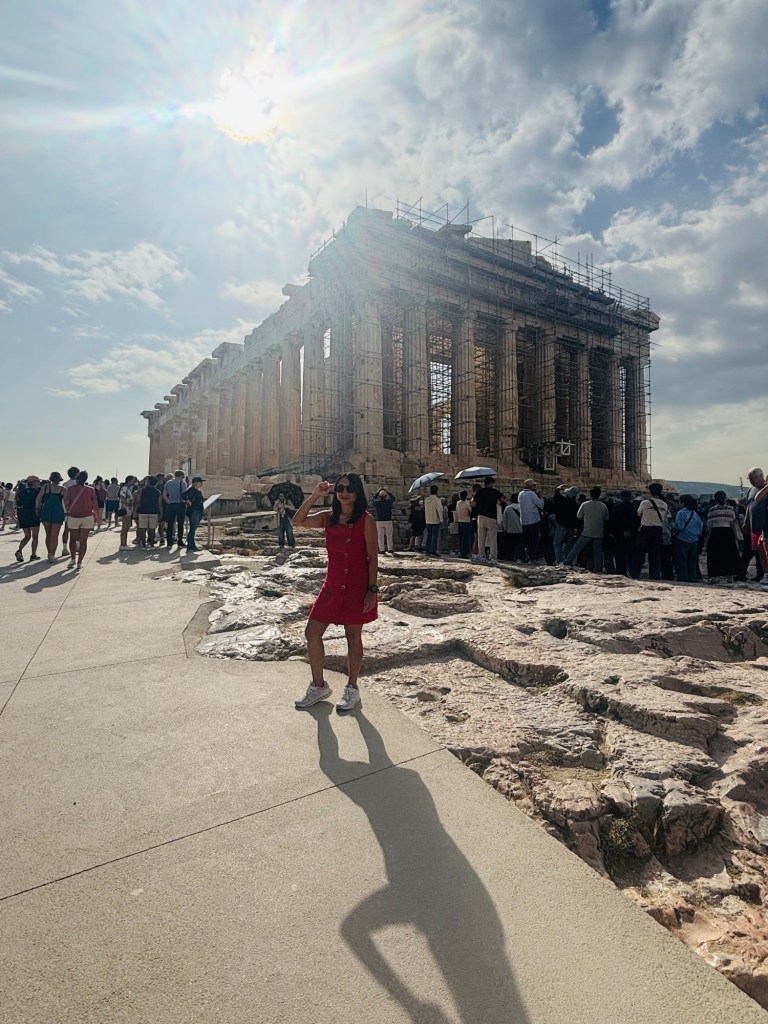
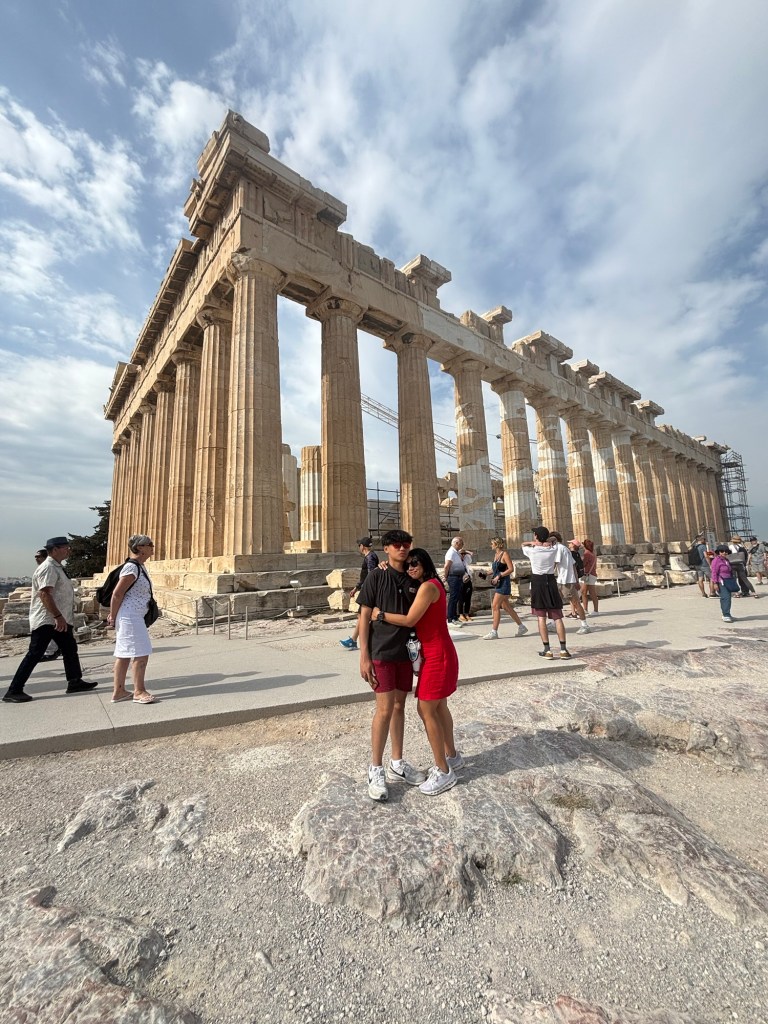
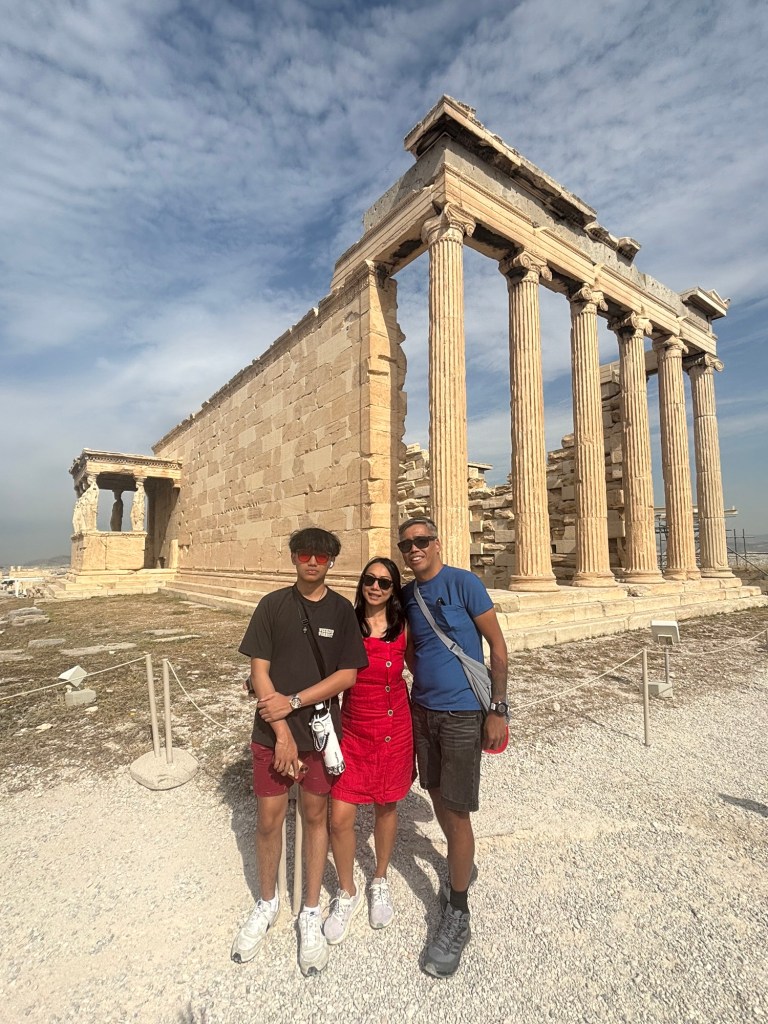
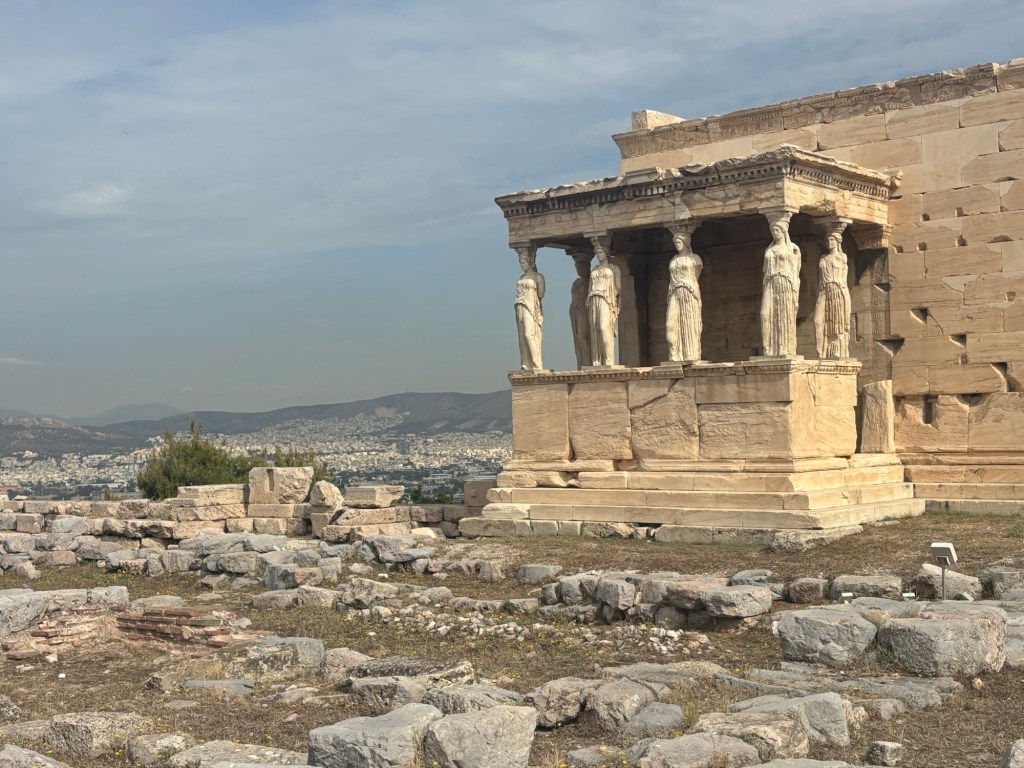
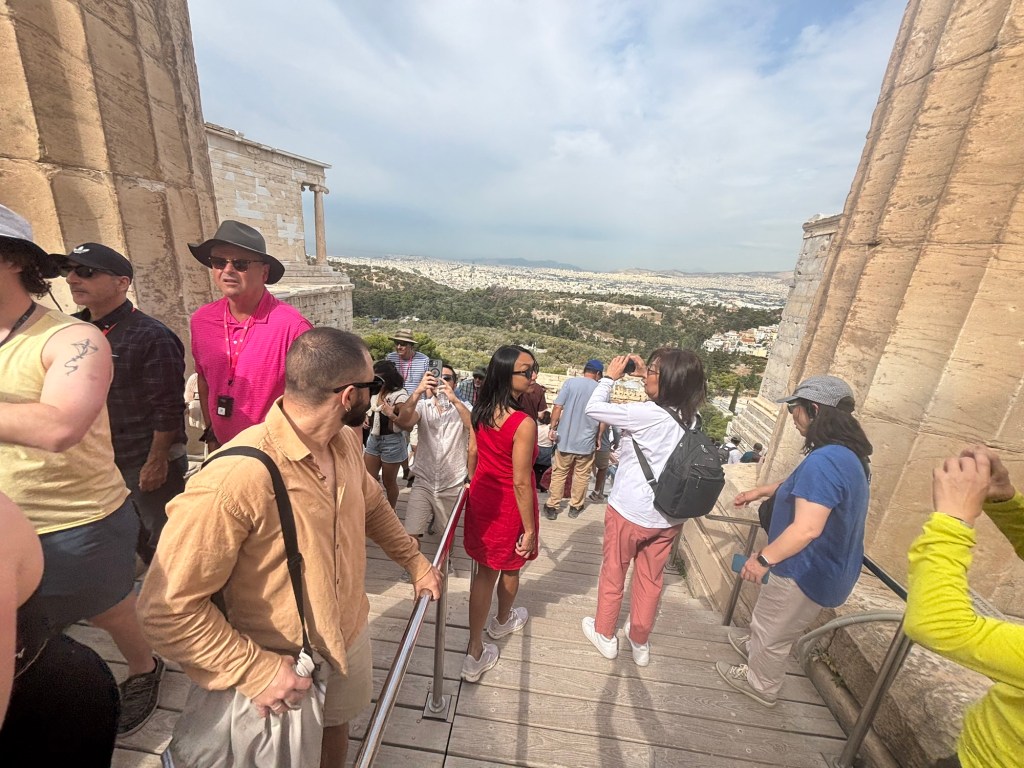
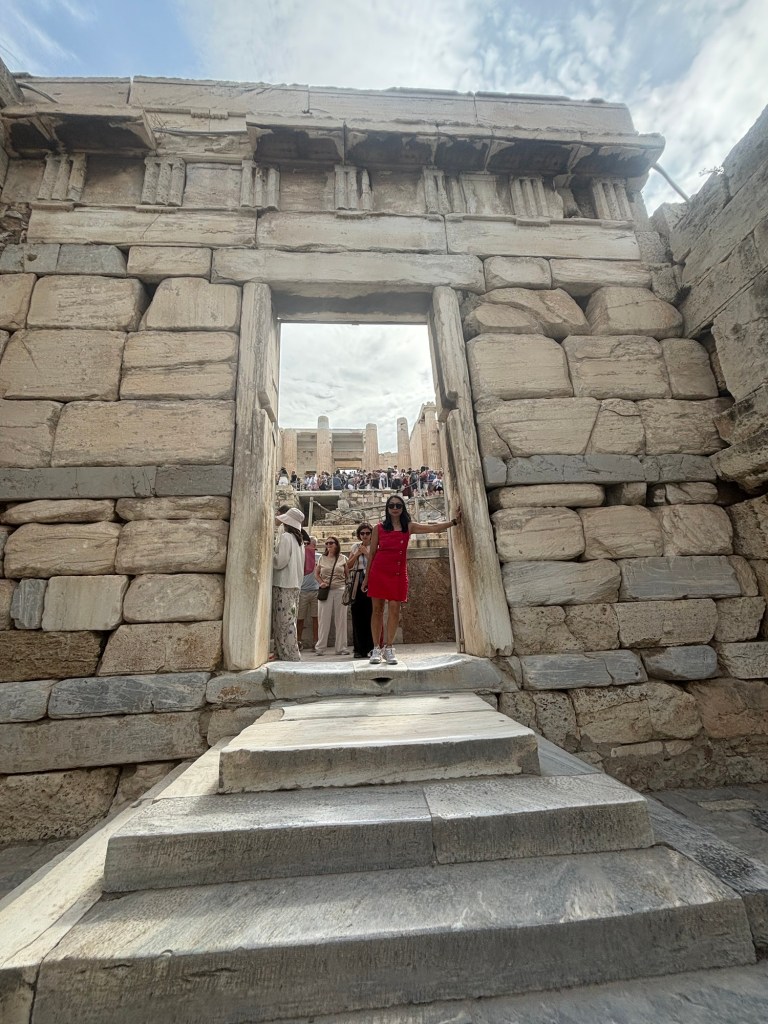
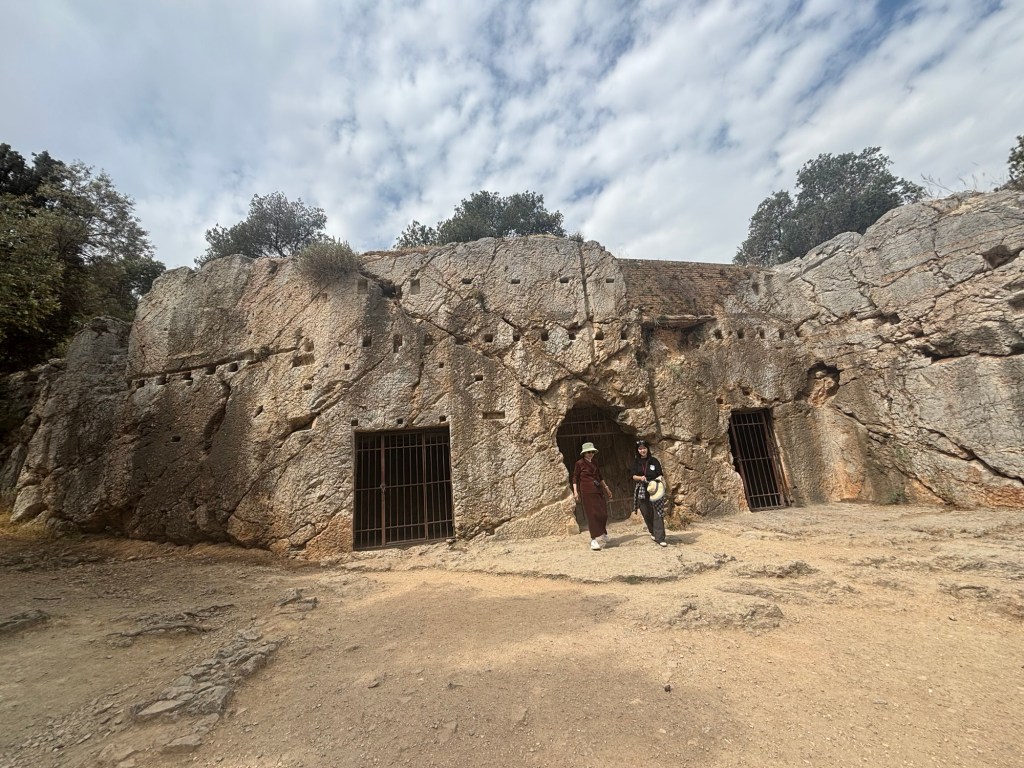
With only one full day in Athens for this leg, we covered as many historical sites as we could. It was surreal for me to walk through places I’d only seen in books and films. 🫶
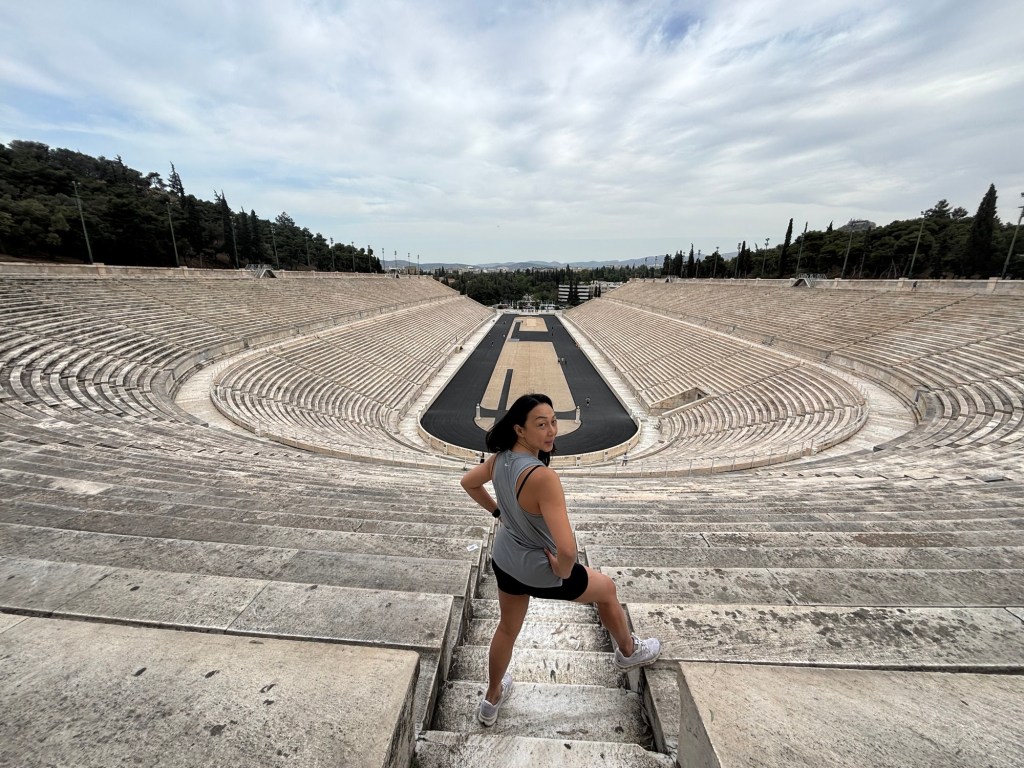
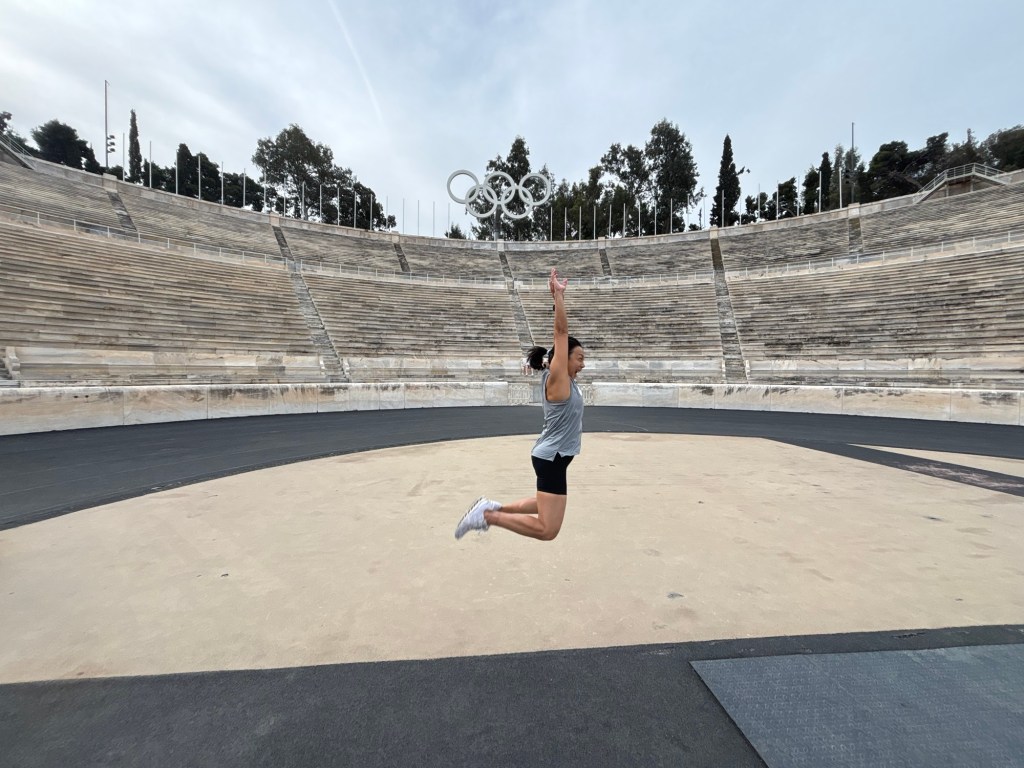
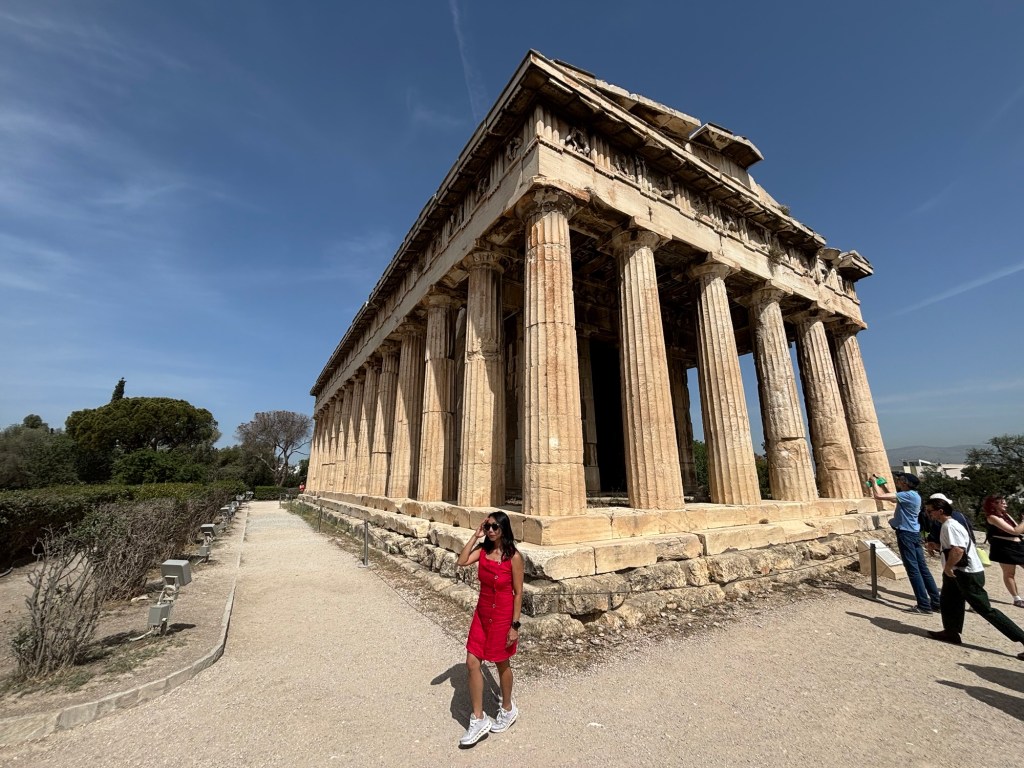
Island Escape: Mykonos
No trip to Greece is complete without visiting the islands. We chose Mykonos, which we read was less crowded than Santorini.
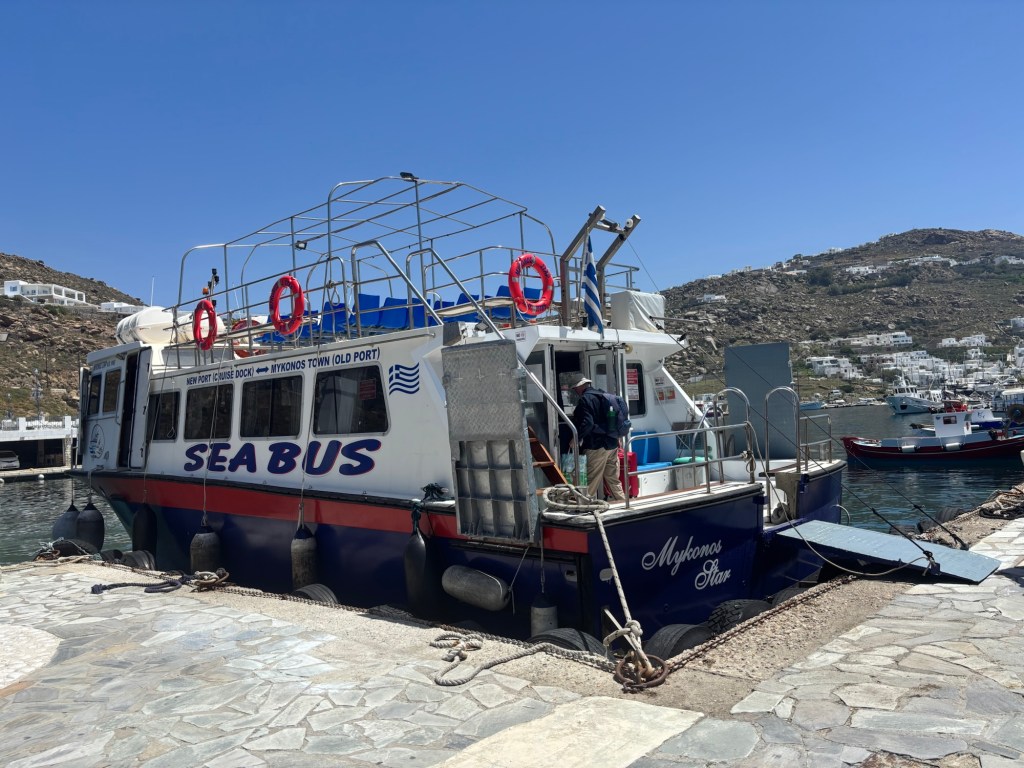
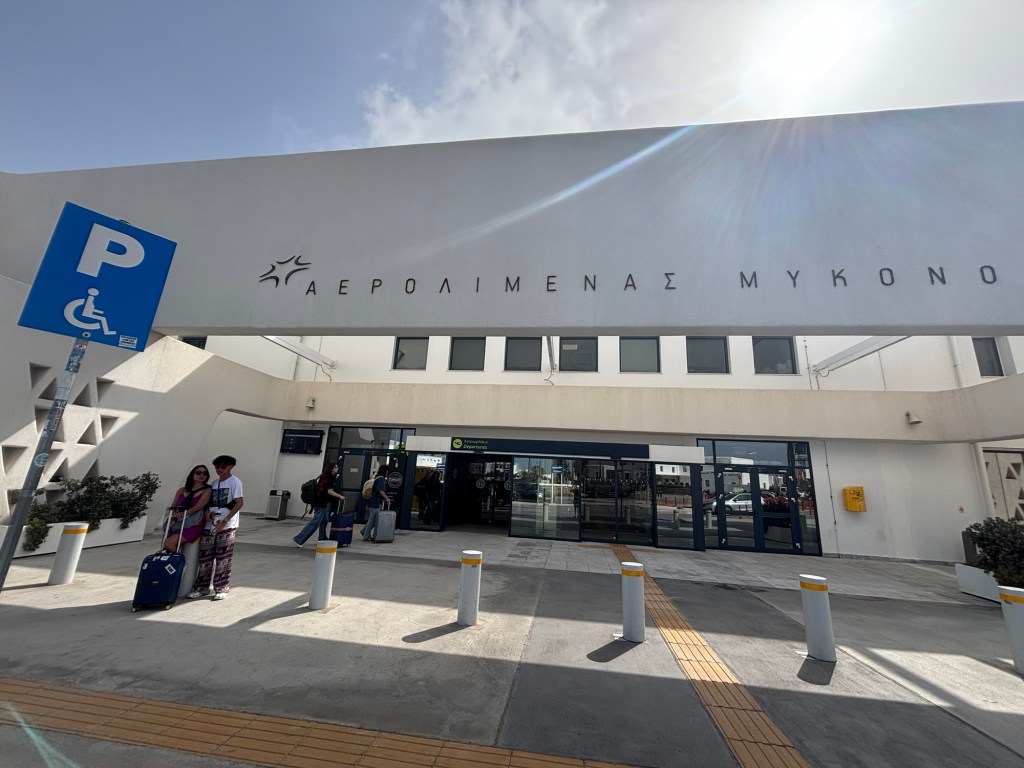
We took a 3-hour ferry to get there and flew back to Athens to experience both the sea and sky. Pro tip: Take the Seabus from the port to town—it’s just €2 per person, and the 8-minute ride offers a lovely view of the iconic white-washed houses as you approach the island.
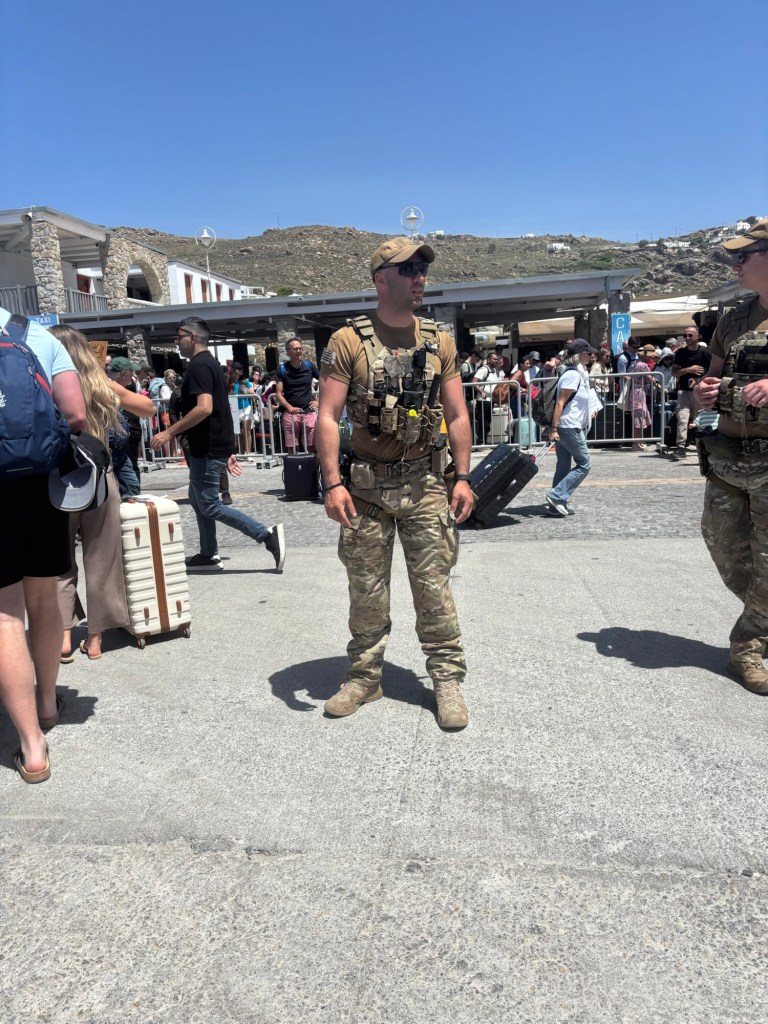
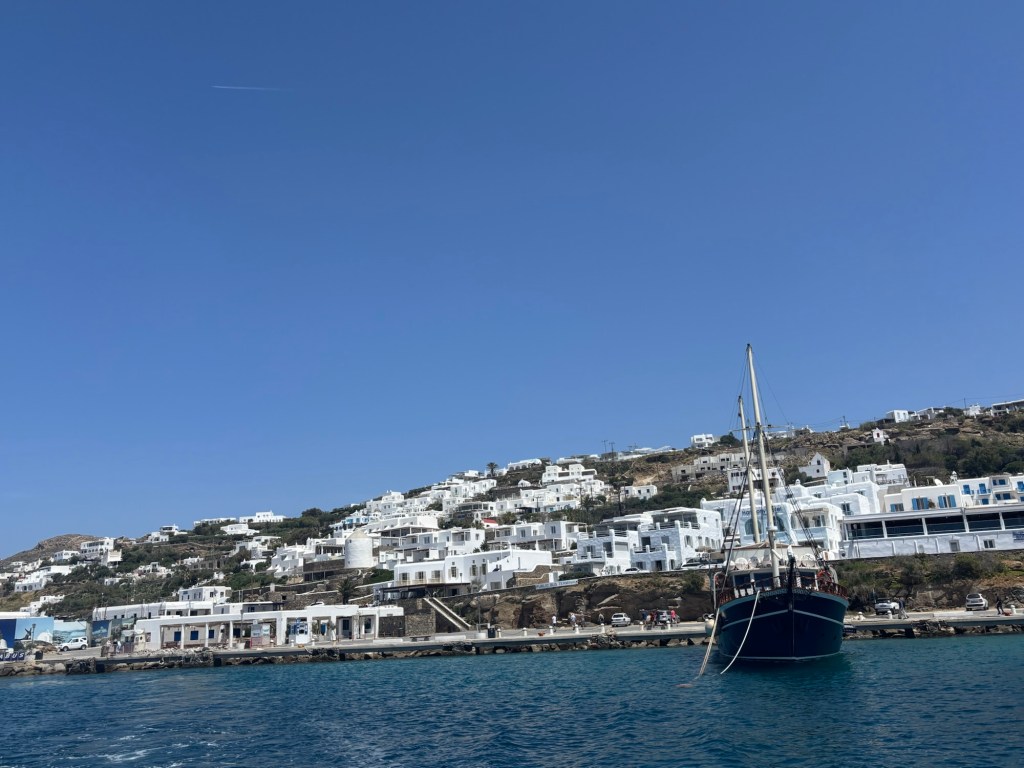
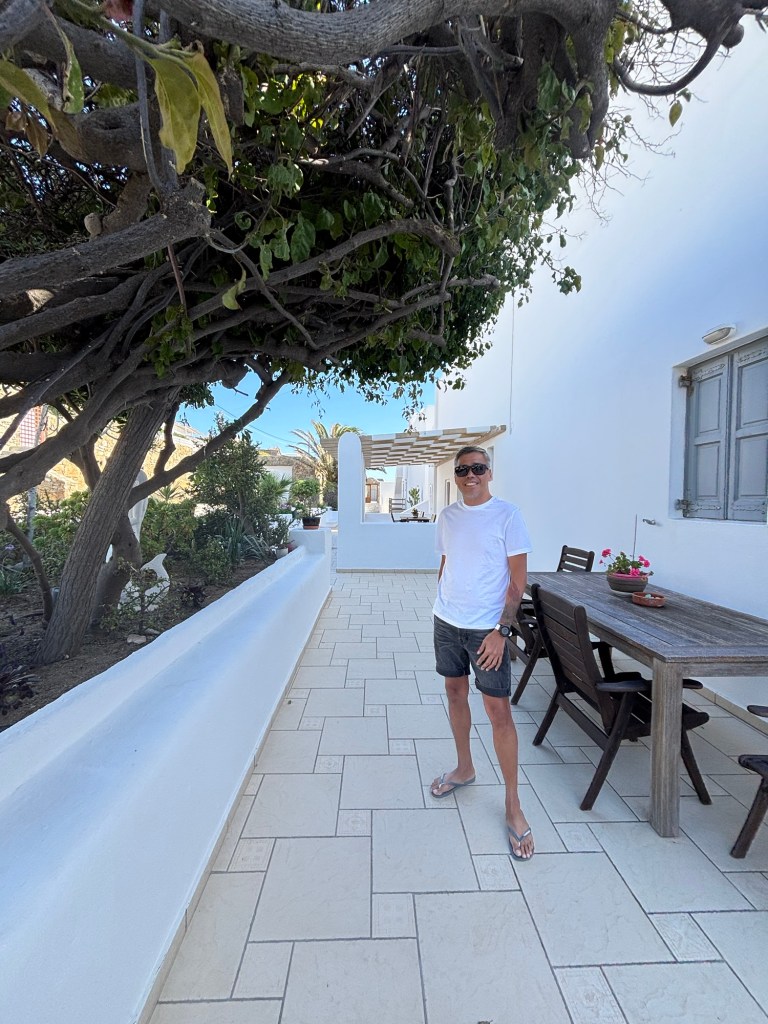
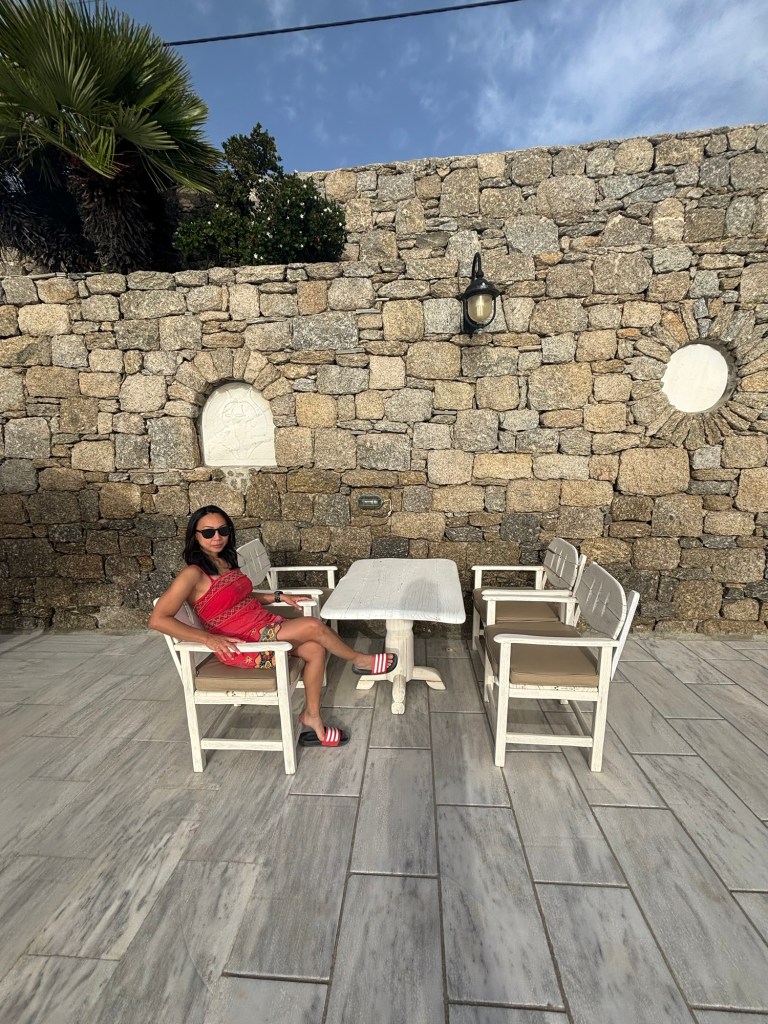
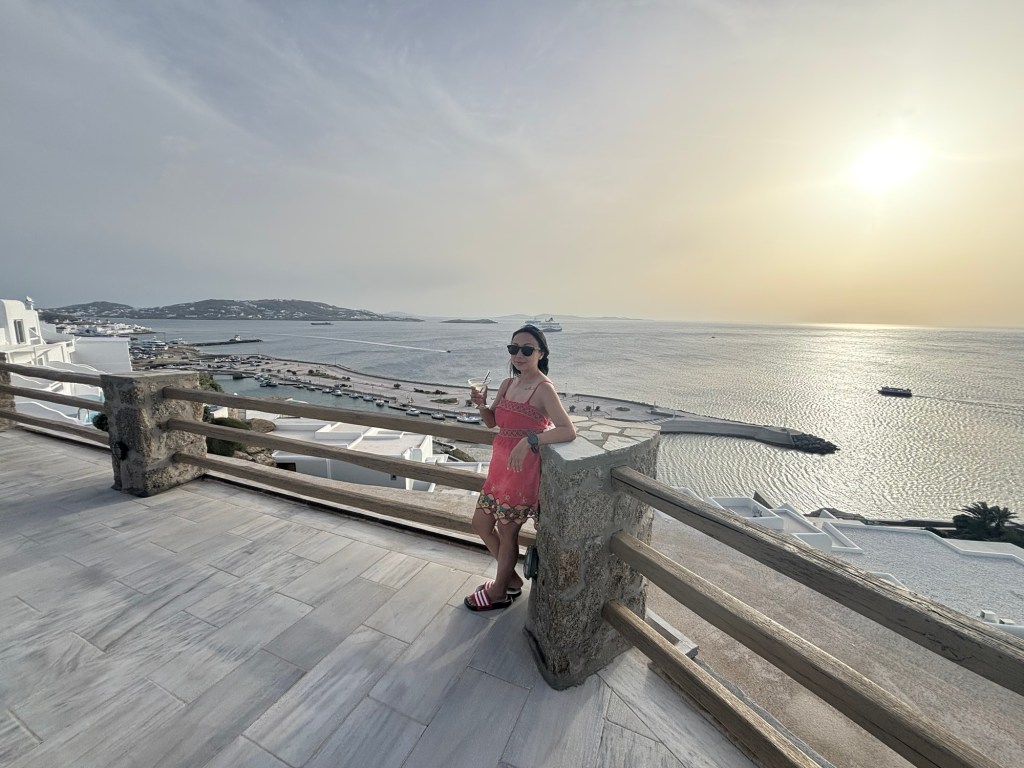
Our stay at Hotel Gorgona couldn’t have been better. It’s a family-run property that impressed us with its exceptional service and immaculate rooms. Every room offers views of the Aegean Sea, stretching from the New Ferry Dock to the Old Port.
The included breakfast was a treat—fresh fruit, pastries, eggs, bacon (don’t skip this!), creamy yogurts, and great coffee.
The hotel also features:
✅ a beautiful pool with a bar
✅ Comfortable lounge chairs with a sweeping view of the splendid Aegean sea
✅ Excellent value compared to other hotels in the area
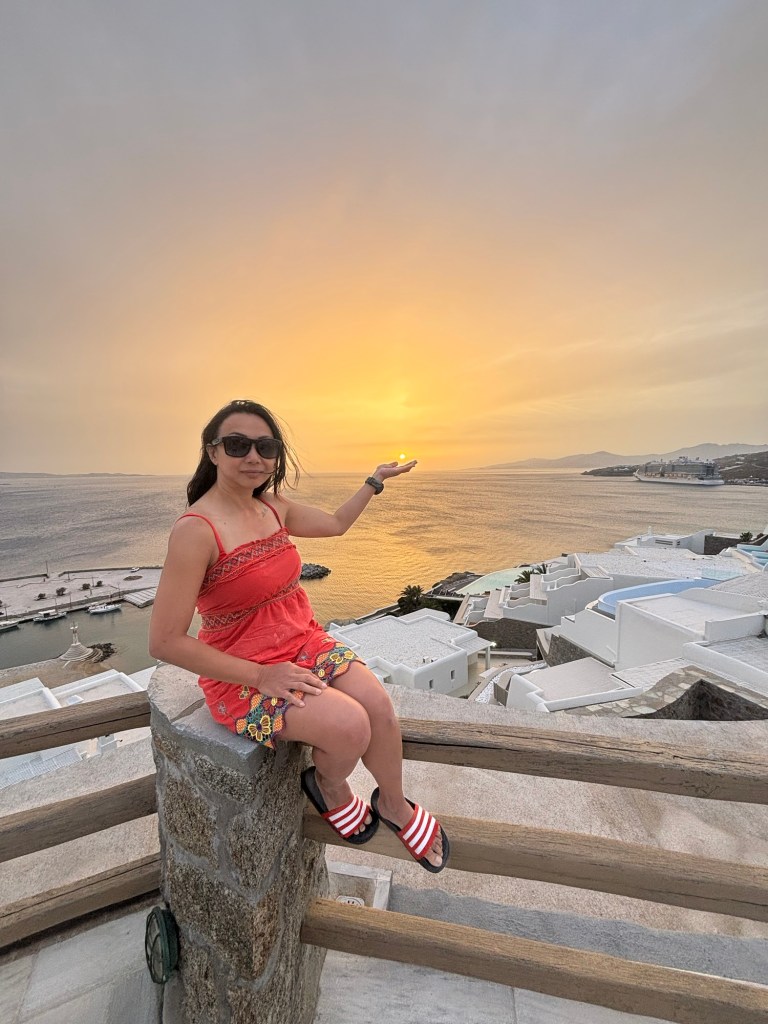
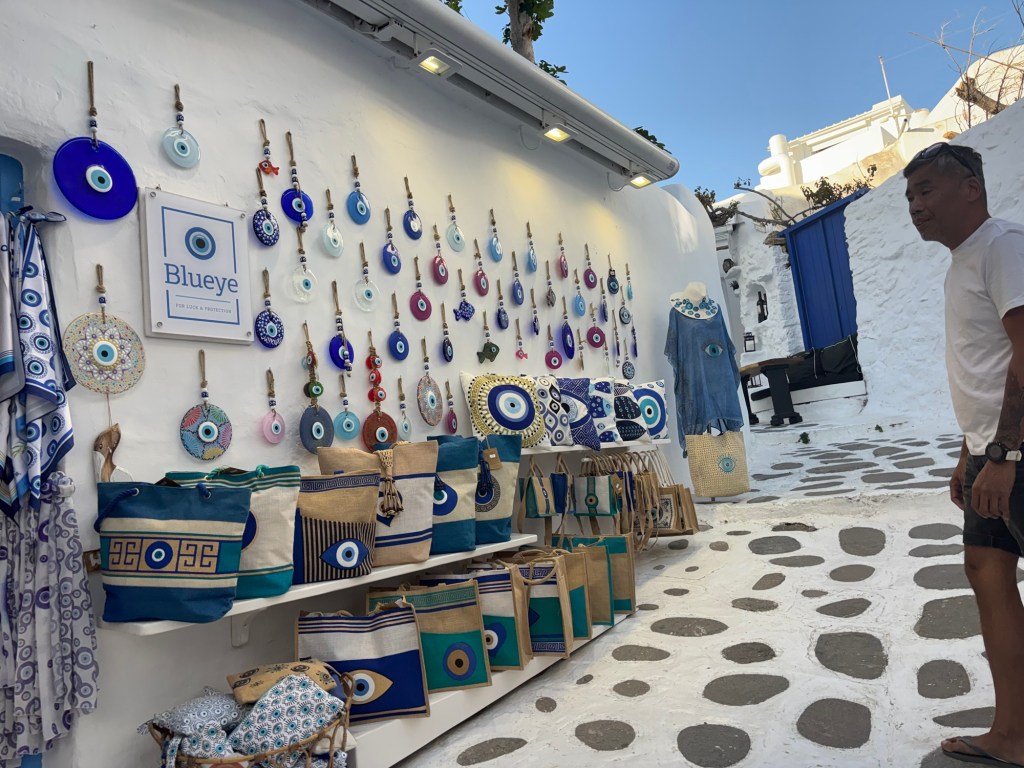
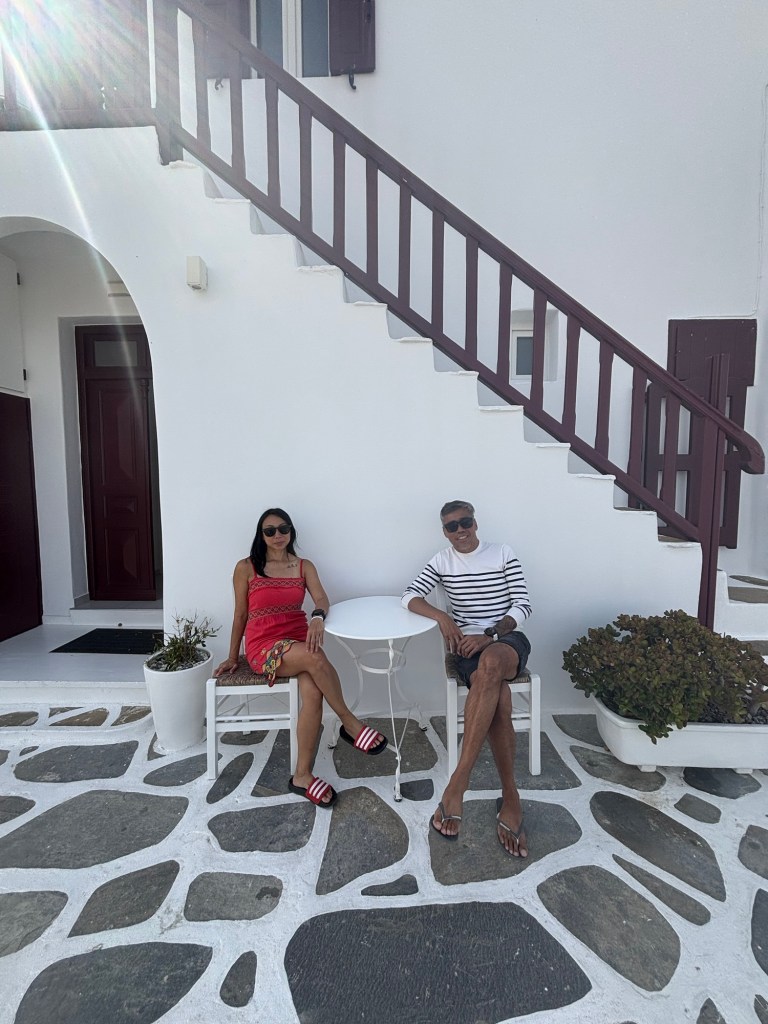
Mykonos Town is charming and walkable (though some might argue those narrow streets are a challenge—we loved it!). We explored and discovered:
📍Little Venice: The main draw of Old Town. Unlike many Greek islands where only remnants of Venetian-era castles remain, Little Venice is remarkably well-preserved.
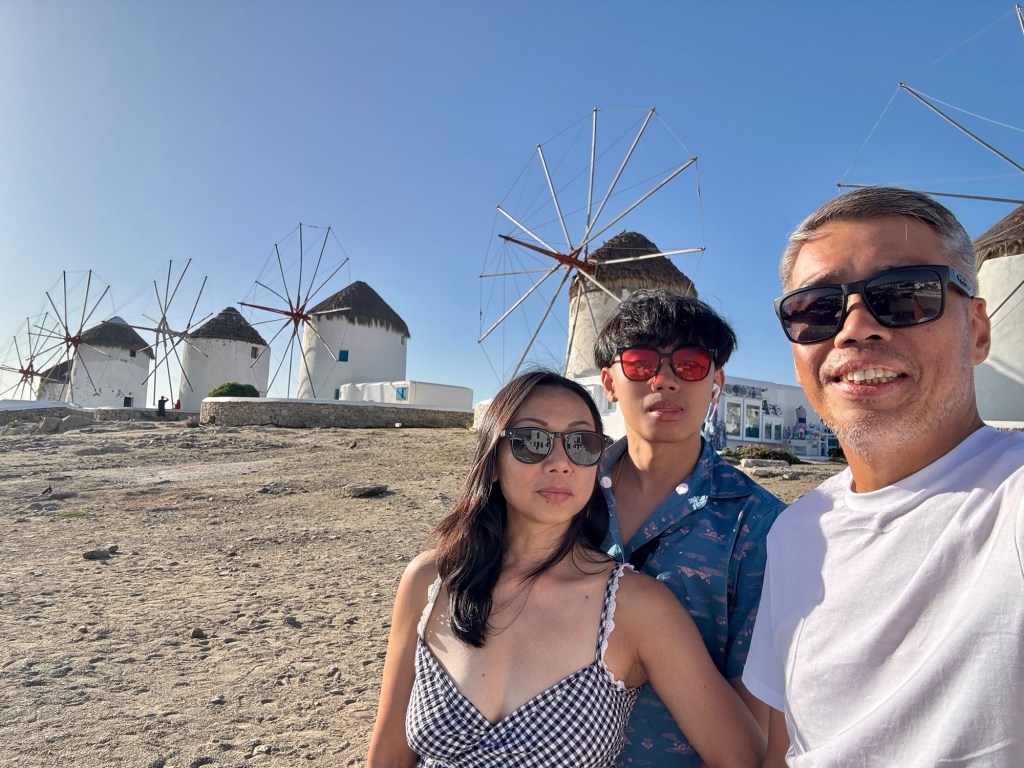
📍The Windmills: Seven postcard-famous windmills dating from the Venetian era, once used to grind wheat. They stand proudly on a hill, facing north to harness the winds and catch the sunlight beautifully.
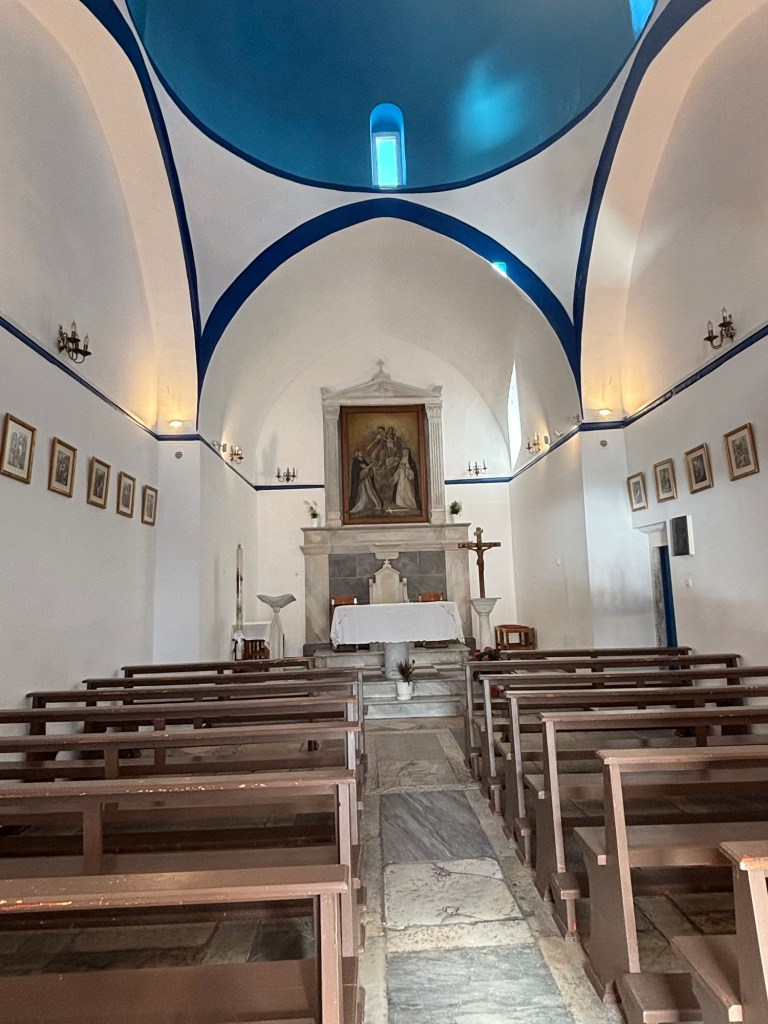
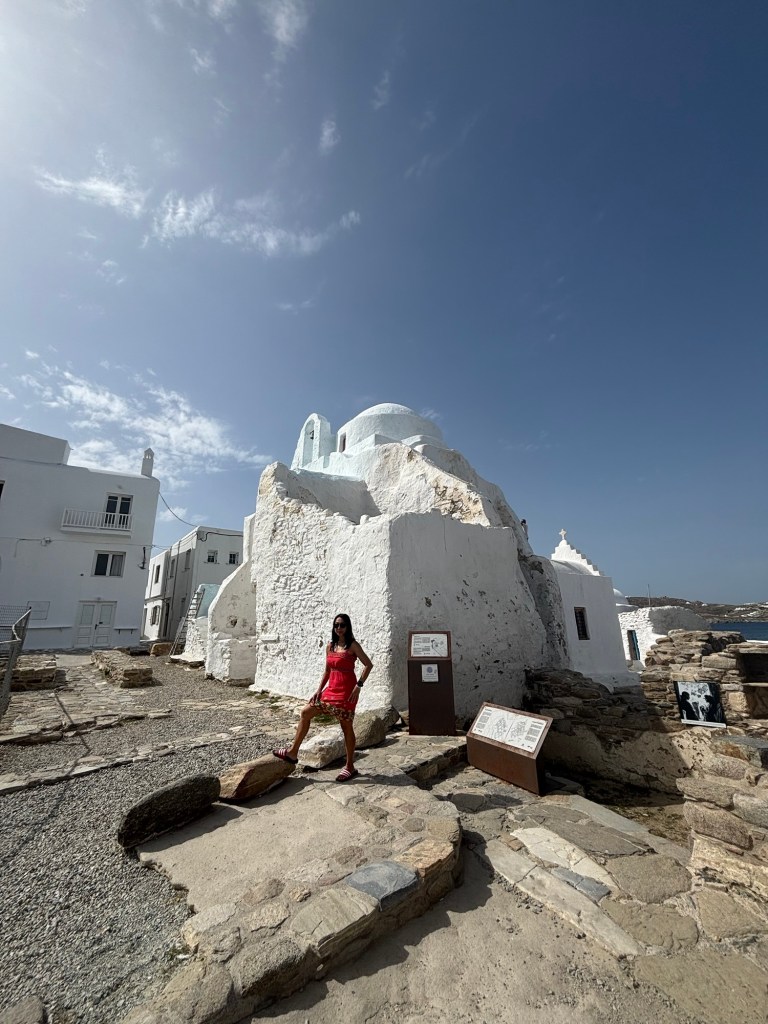
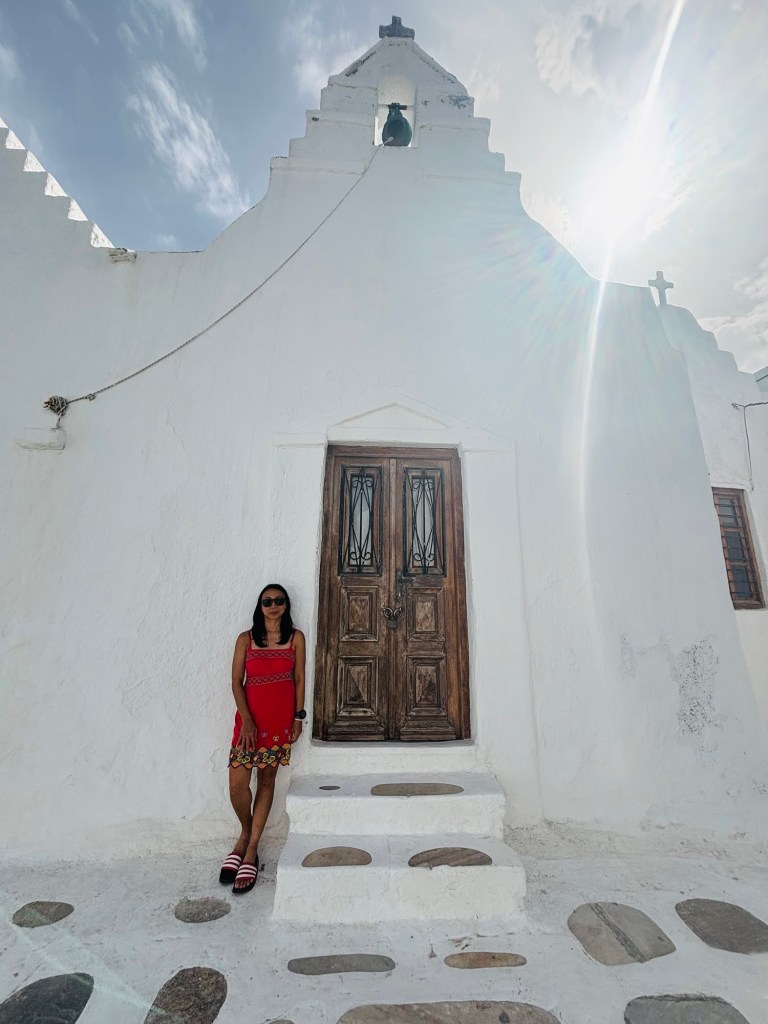
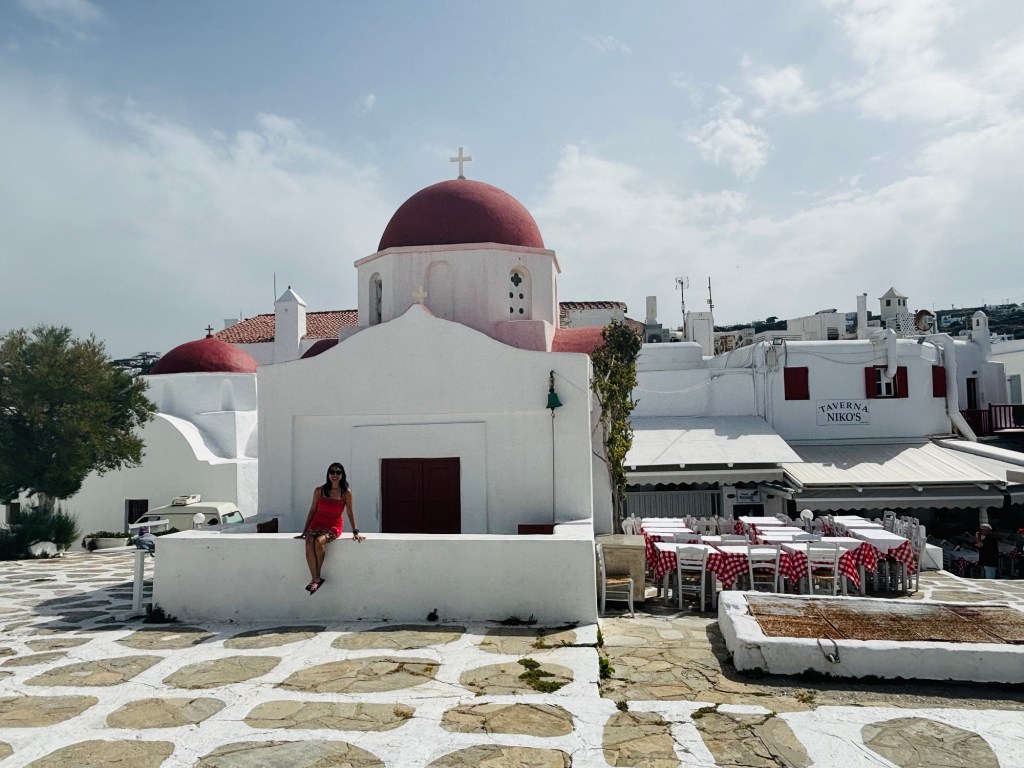
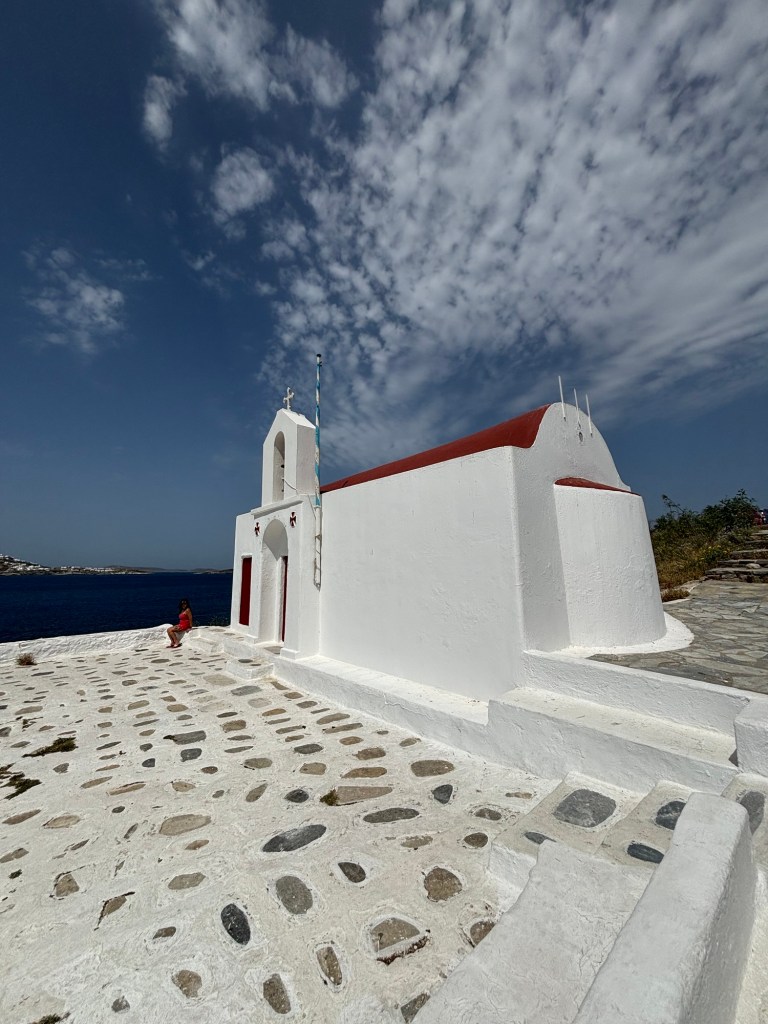
We also stumbled upon a small Christian church while we explored the town.
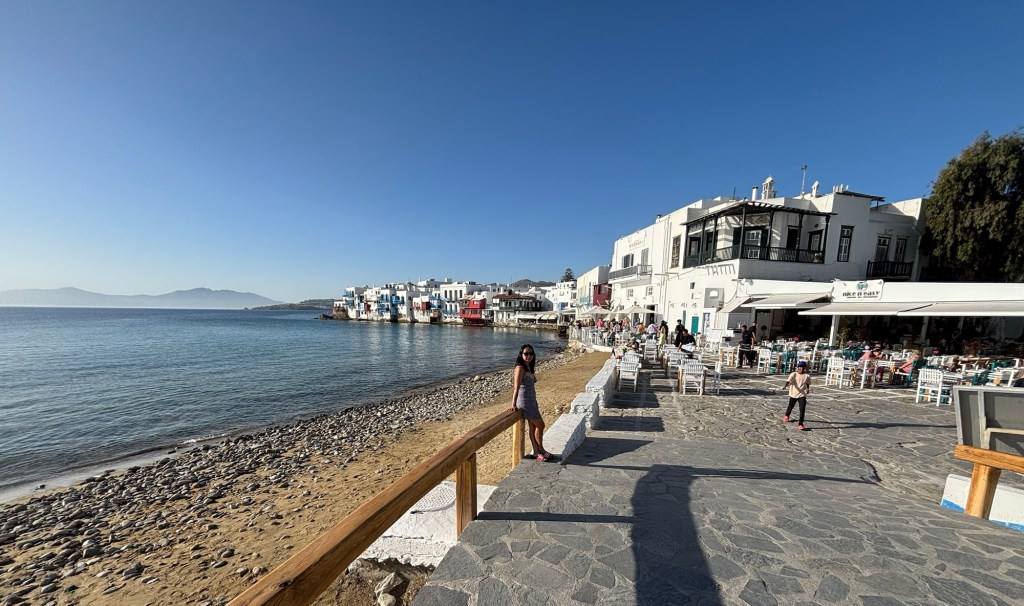
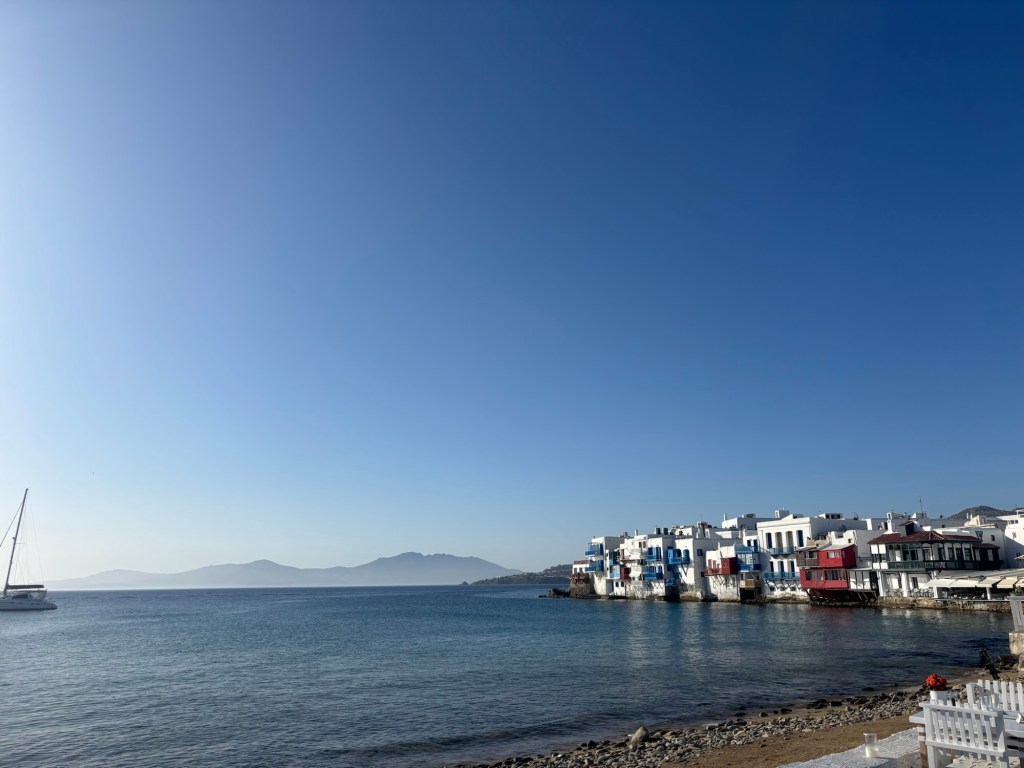
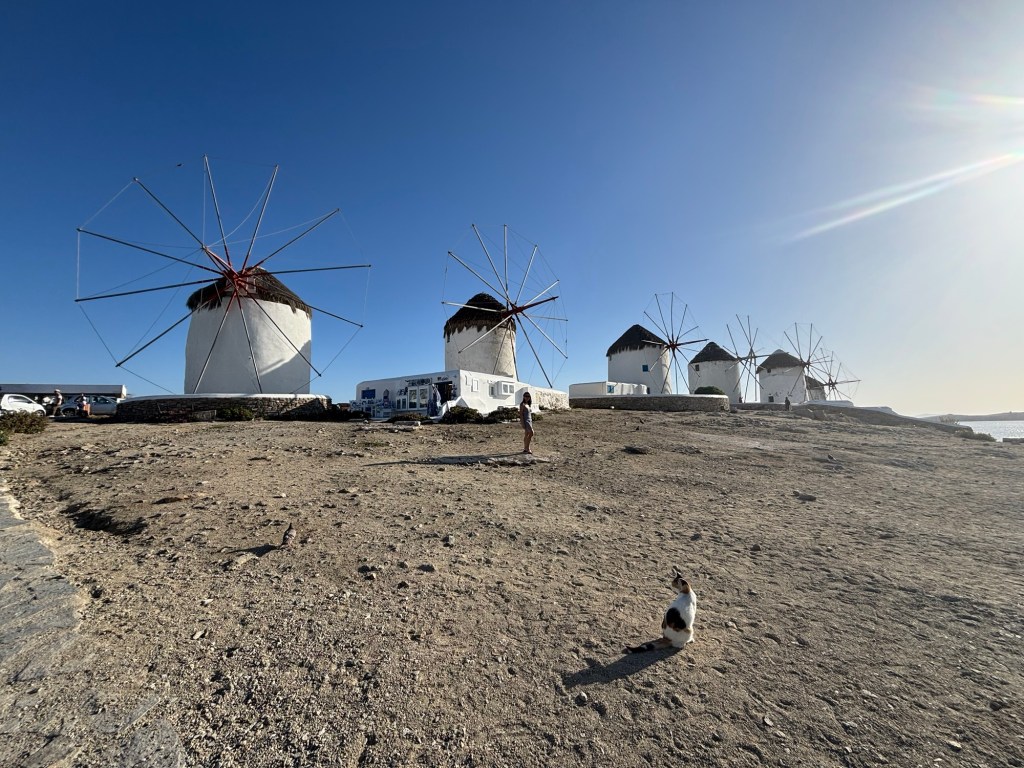
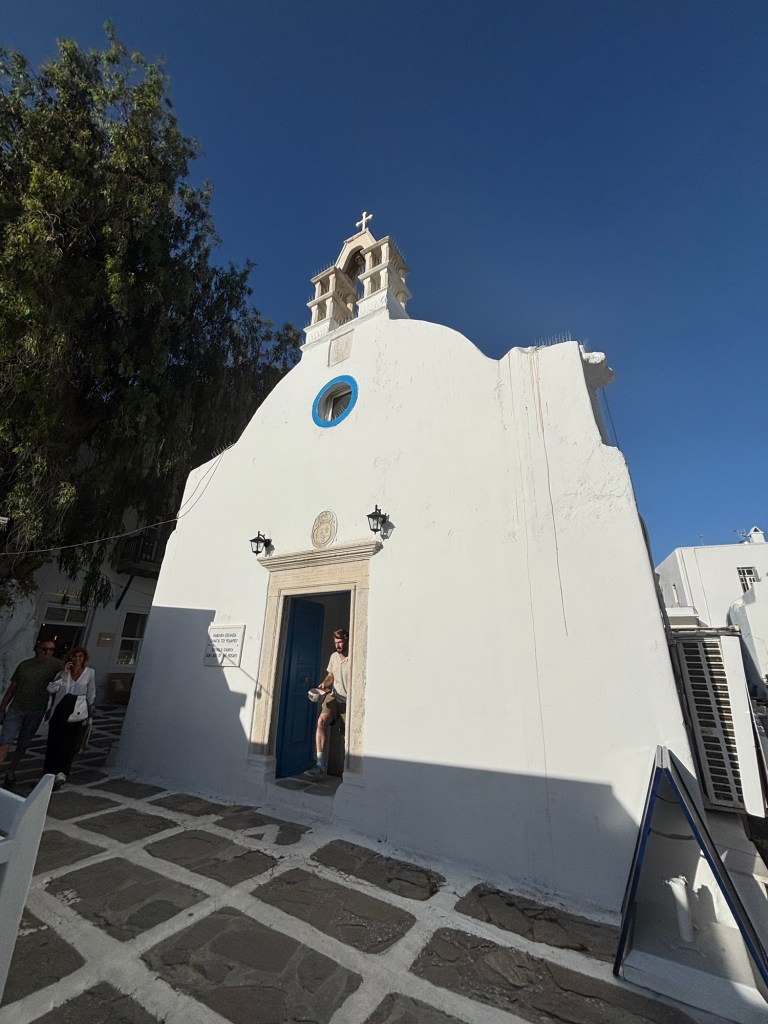
📍Church of Panagia Paraportiani: One of Greece’s most photographed churches, located near the ruins of the Venetian castle. Its name means “standing by the door,” as it once guarded a castle gate.
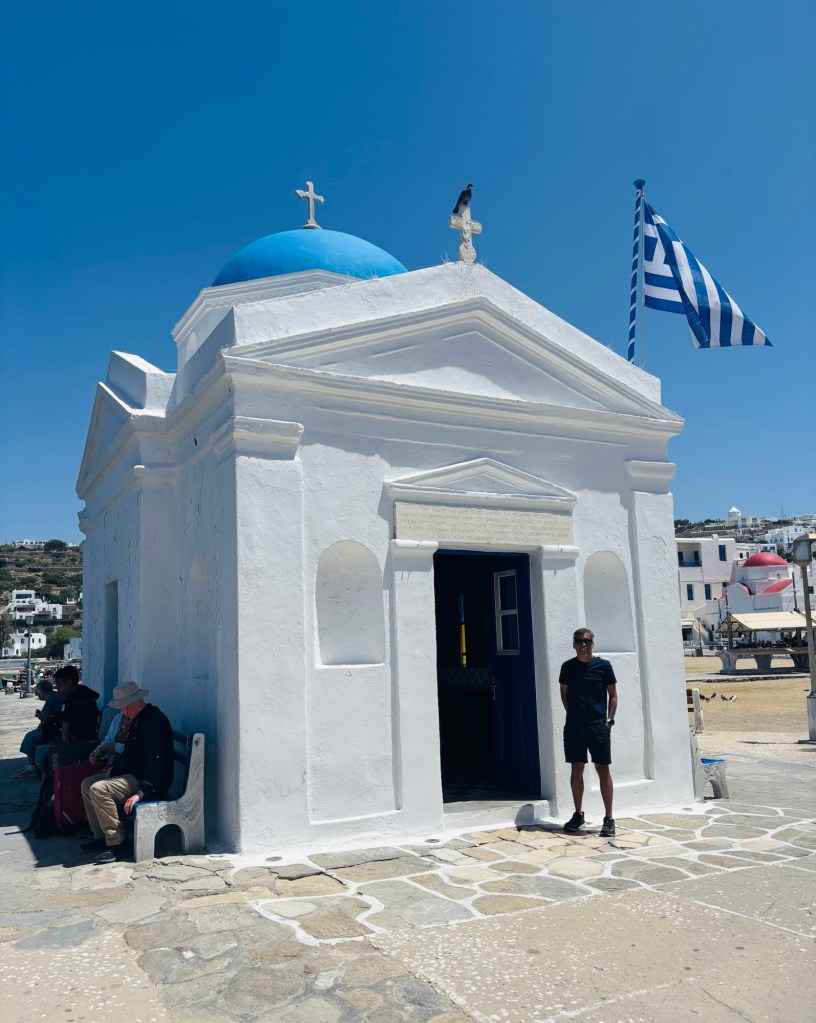
📍Agios Nikolakis Chapel: A tiny, quayside church dedicated to protecting sailors and fishermen. It’s simple inside, decorated with traditional Byzantine-style icons.
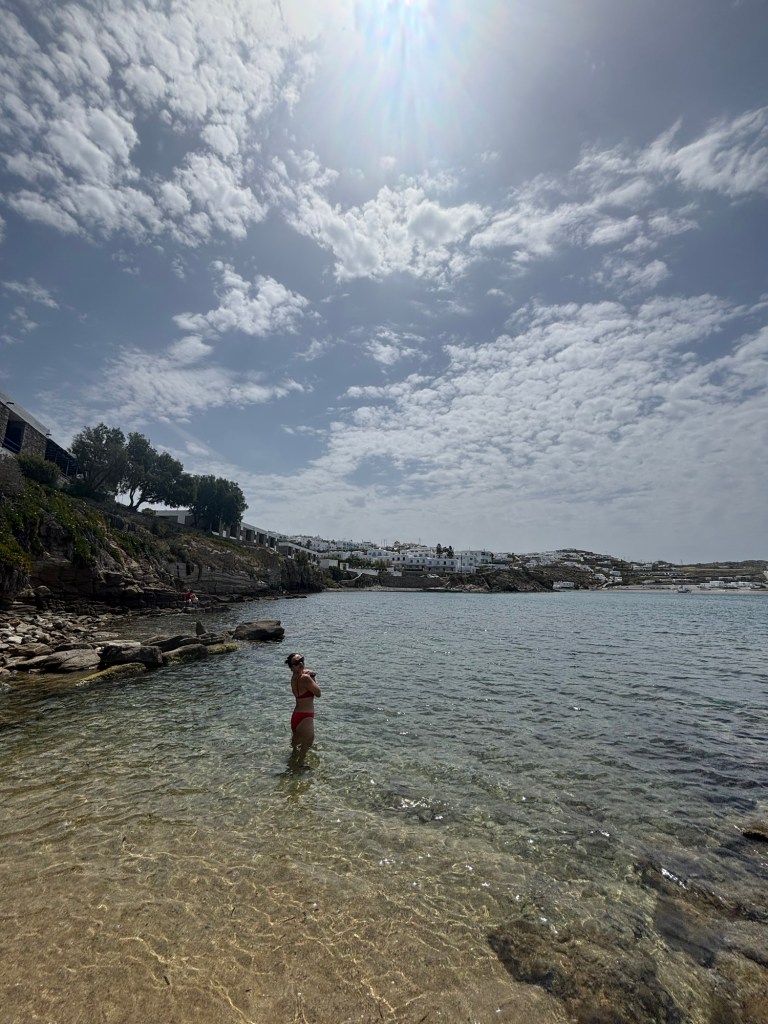
We also found a quiet public beach—a budget-friendly (read: free 😅) alternative to the bustling beach clubs. With its yellow-pebble sand and crystal-clear waters, it was perfect for a peaceful swim.
Meteora – Between Earth and Sky
Roughly four hours from Athens, our final stop was the otherworldly region of Meteora, known for its towering rock formations and clifftop monasteries.
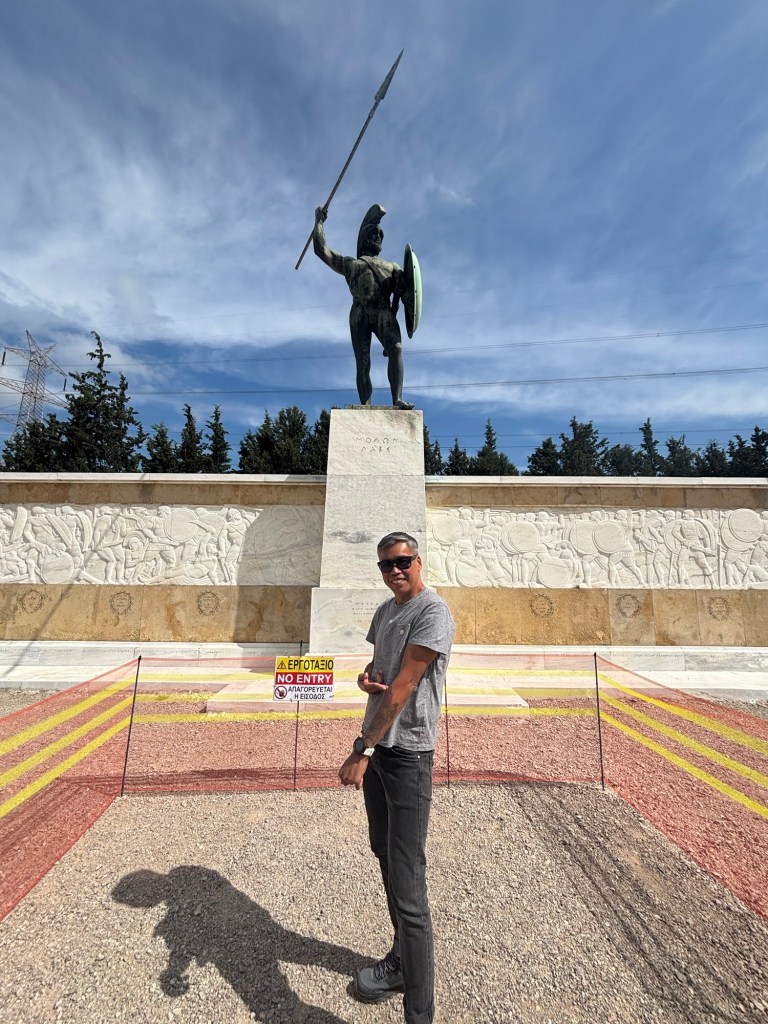
Along the way, our driver made a short detour to Thermopylae, where we saw the statue of King Leonidas, who died in the famous battle against the Persians.
The name “Meteora” means “lofty” or “elevated,” and it shares roots with the word meteor—an appropriate name, given how surreal and skyward the landscape feels.
At one time, 24 monasteries were built atop these rock pillars. Today, six remain active and open to visitors:
1️⃣ Great Meteoron
2️⃣ Varlaam
3️⃣ Saint Nicholas Anapausas
4️⃣ Rousanou
5️⃣ Holy Trinity
6️⃣ Saint Stephen (now a convent run by nuns since 1961)
We were fortunate to visit three of them: Varlaam, Rousanou, and Saint Stephen. Each offered not only spiritual depth but also breathtaking views and incredible history.
Protip: Dress modestly. For women, knees and shoulders must be covered. Shorts not allowed for men.
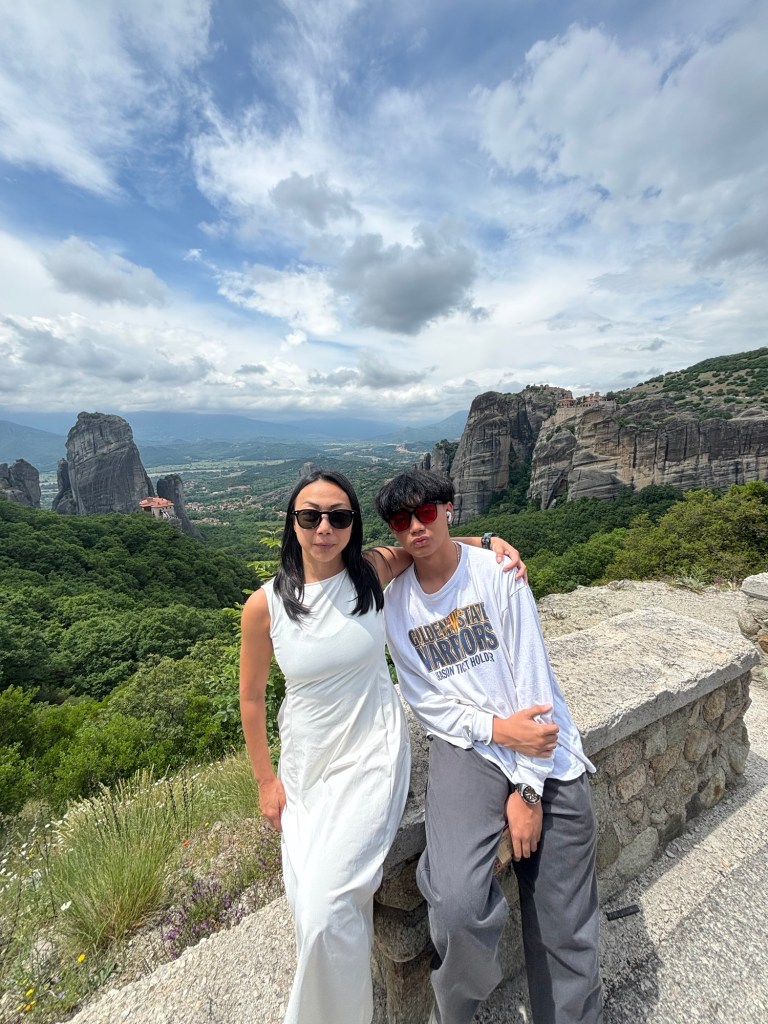
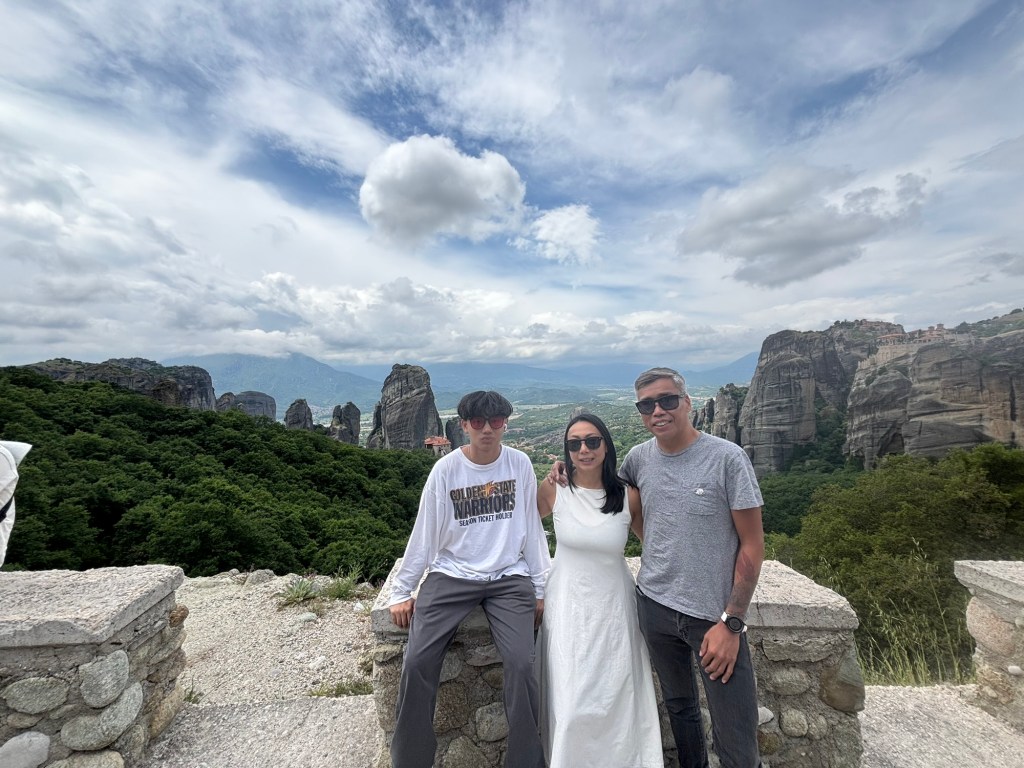
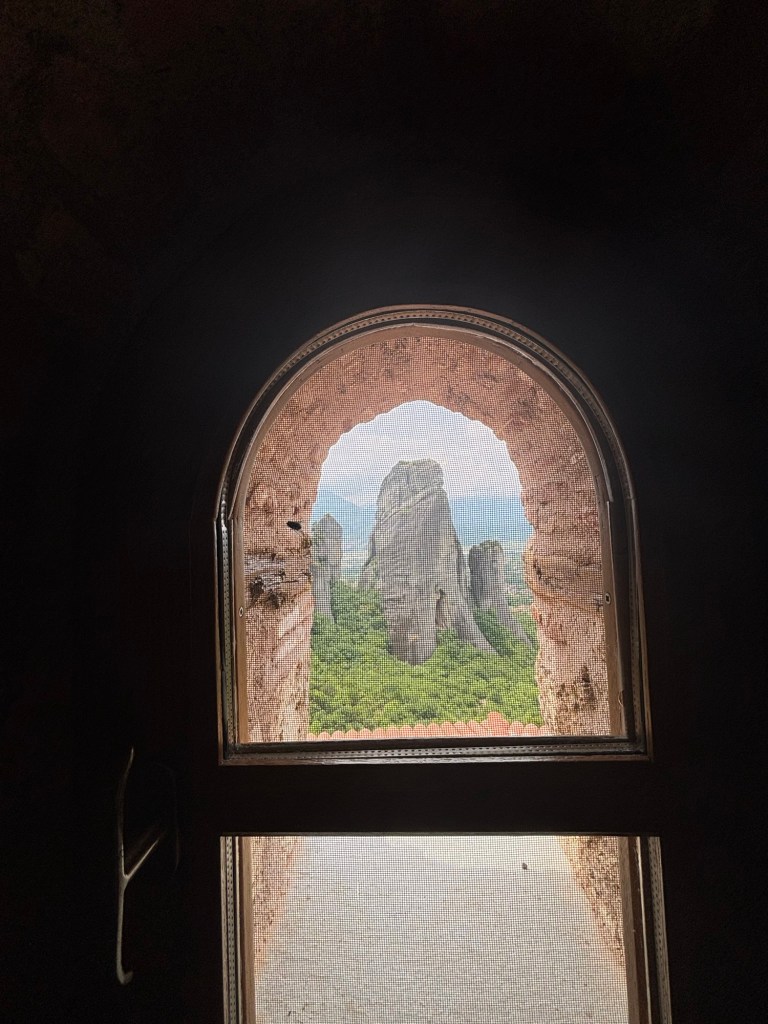
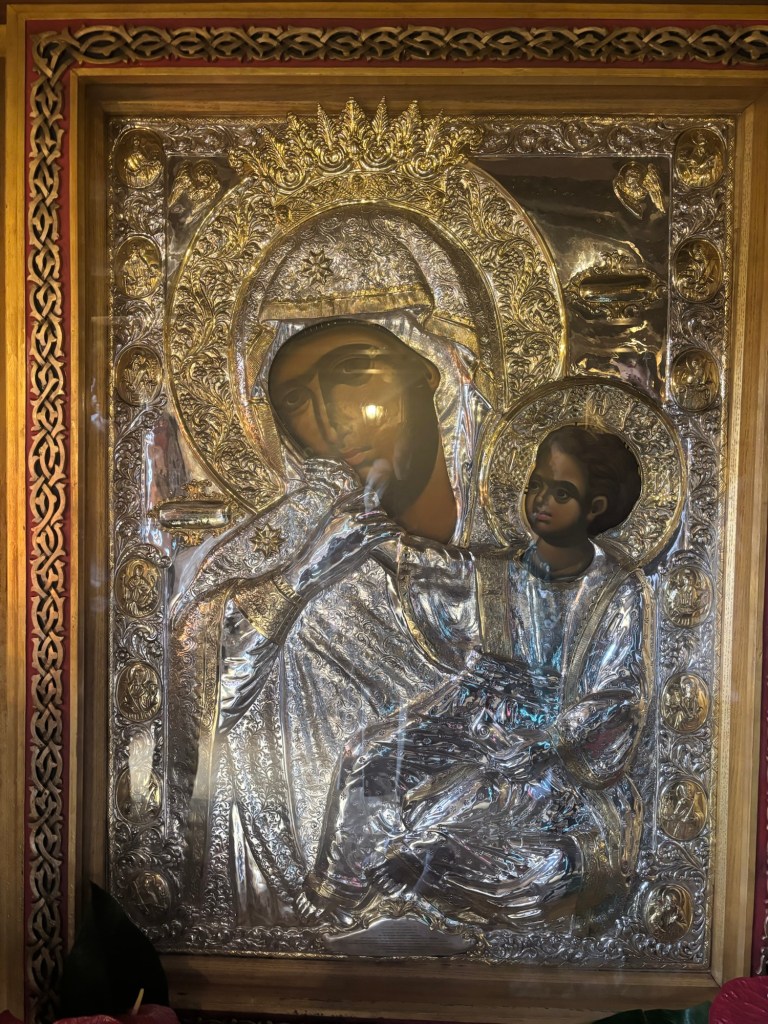
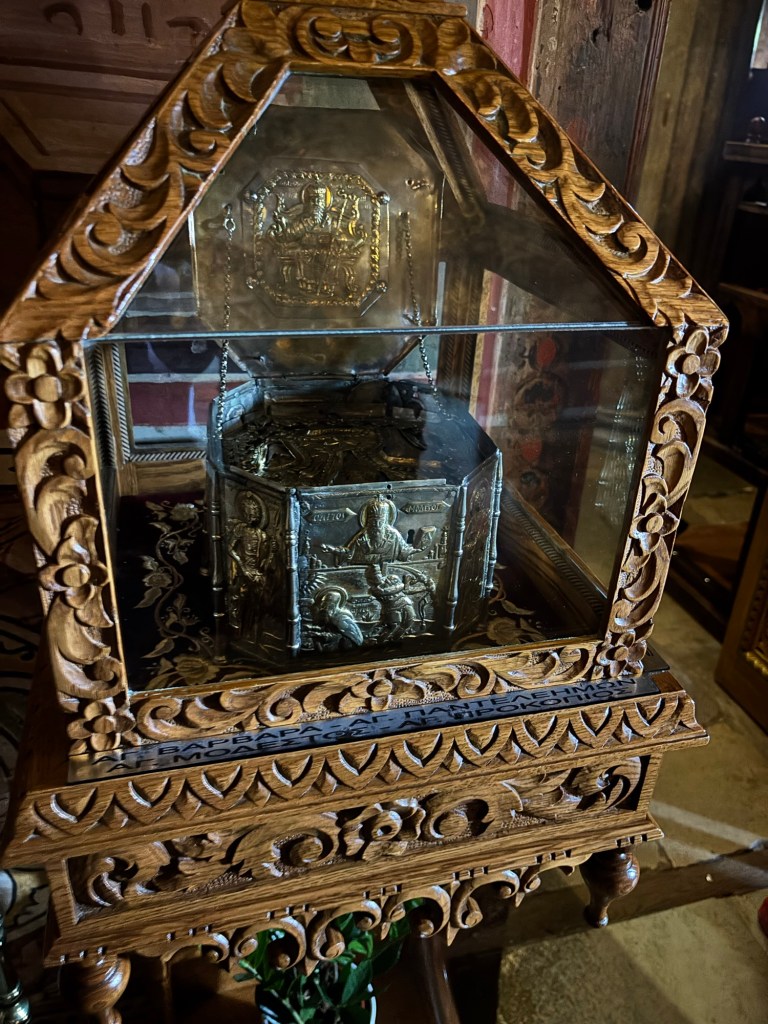
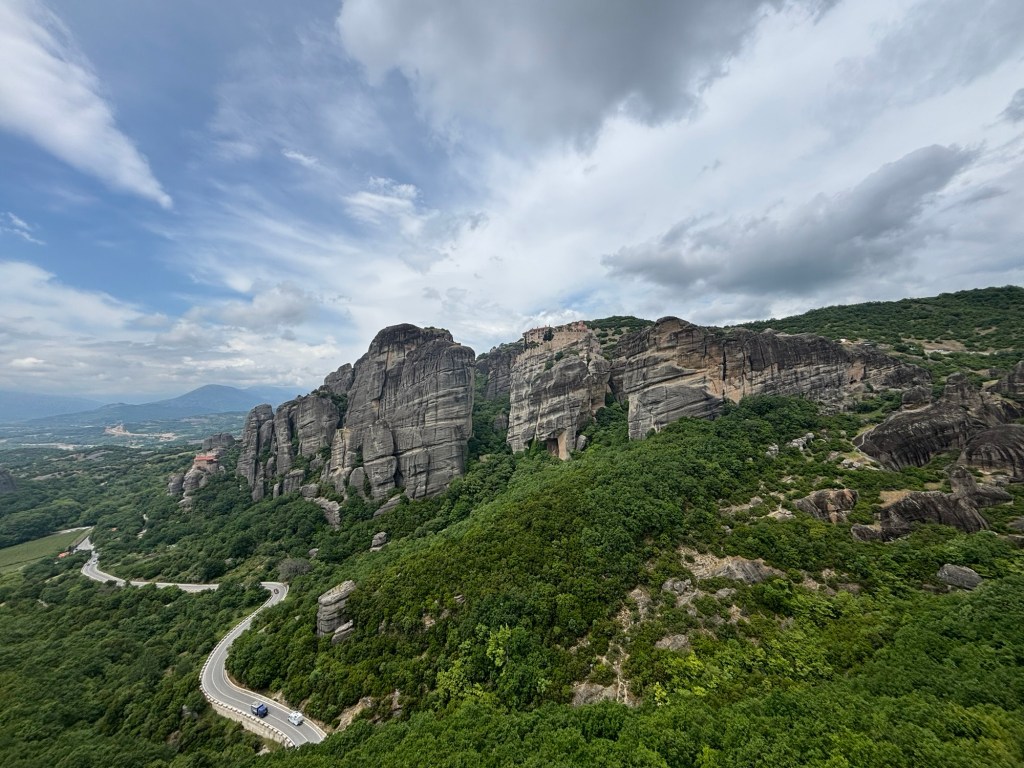
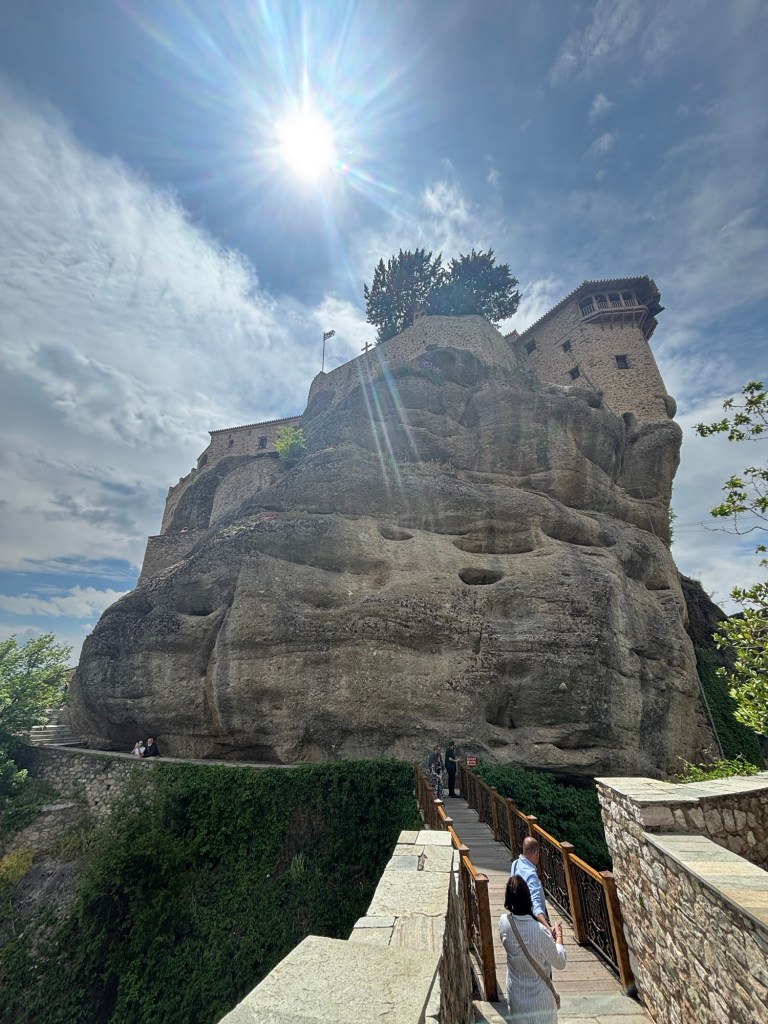
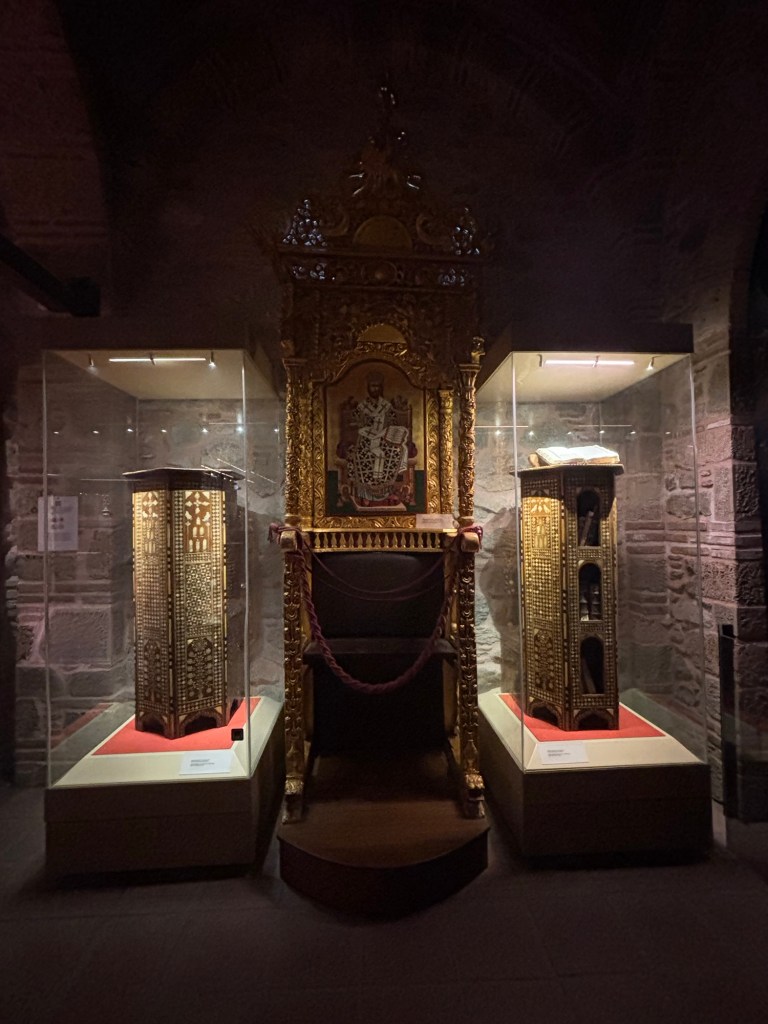
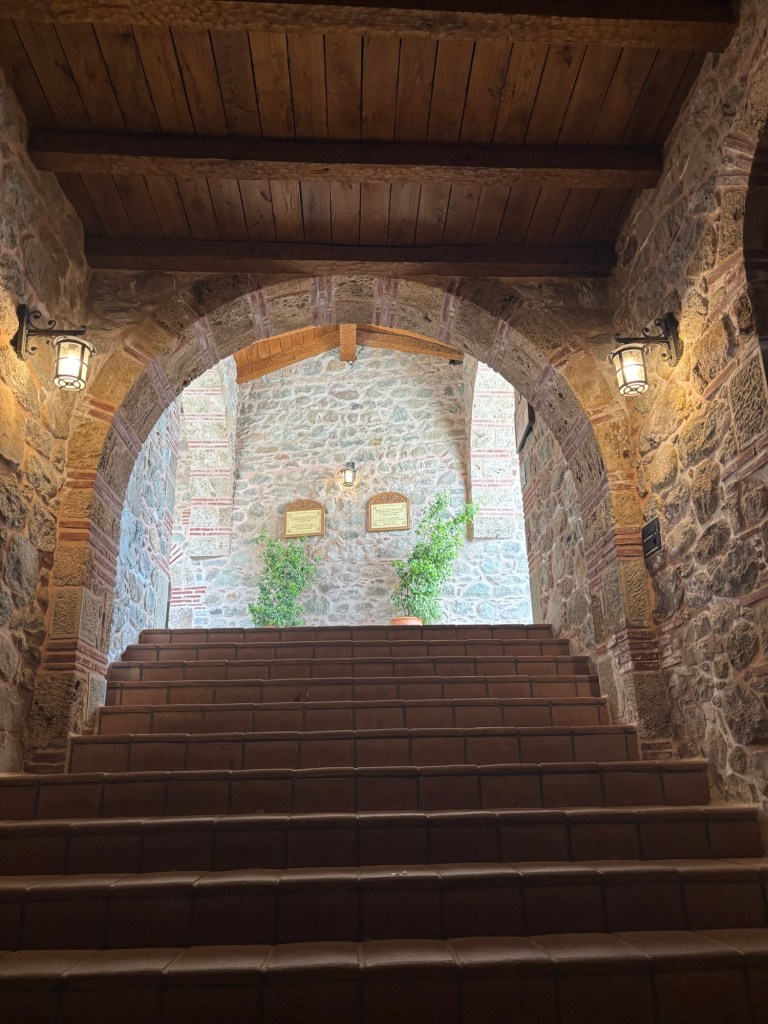
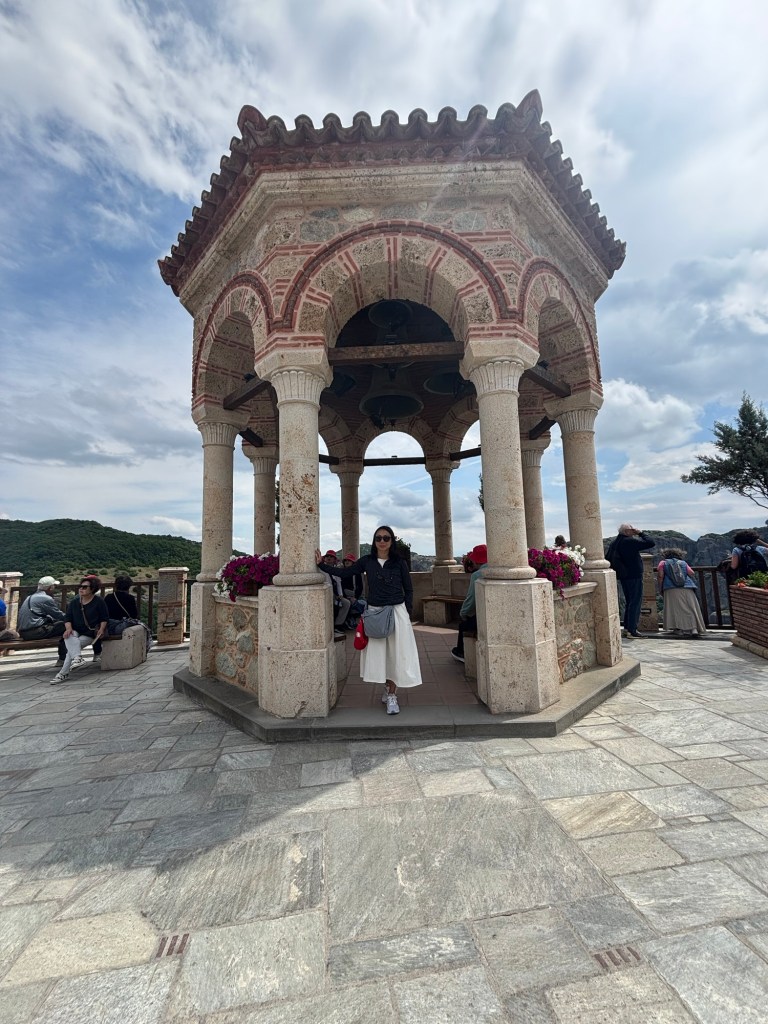
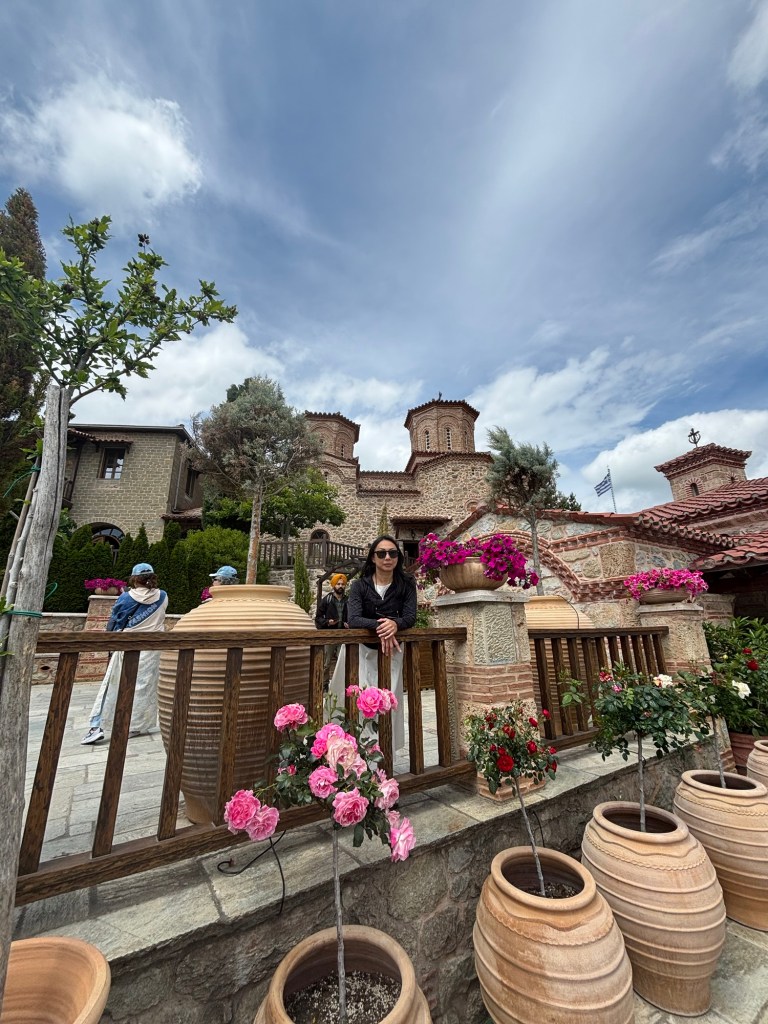
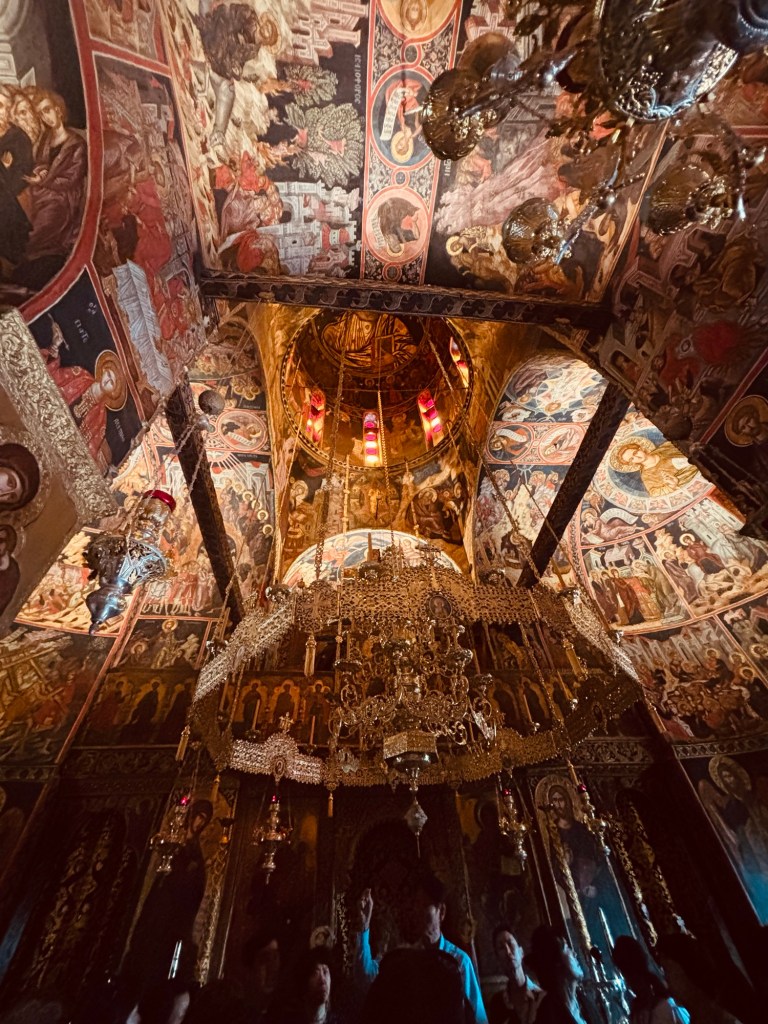
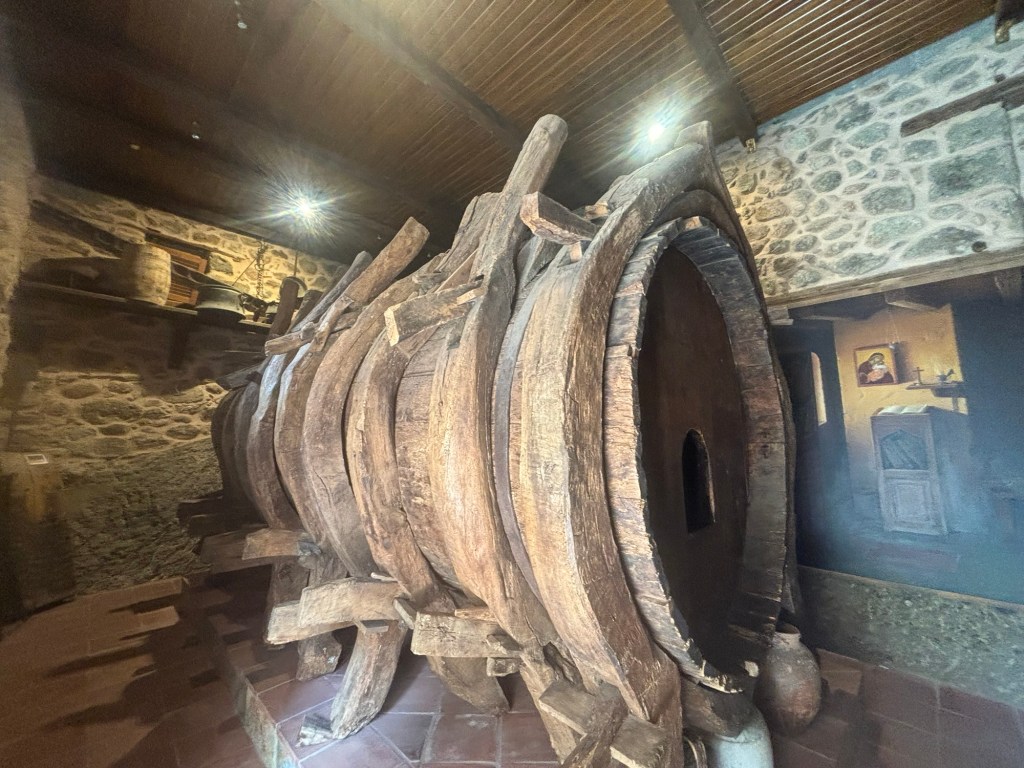
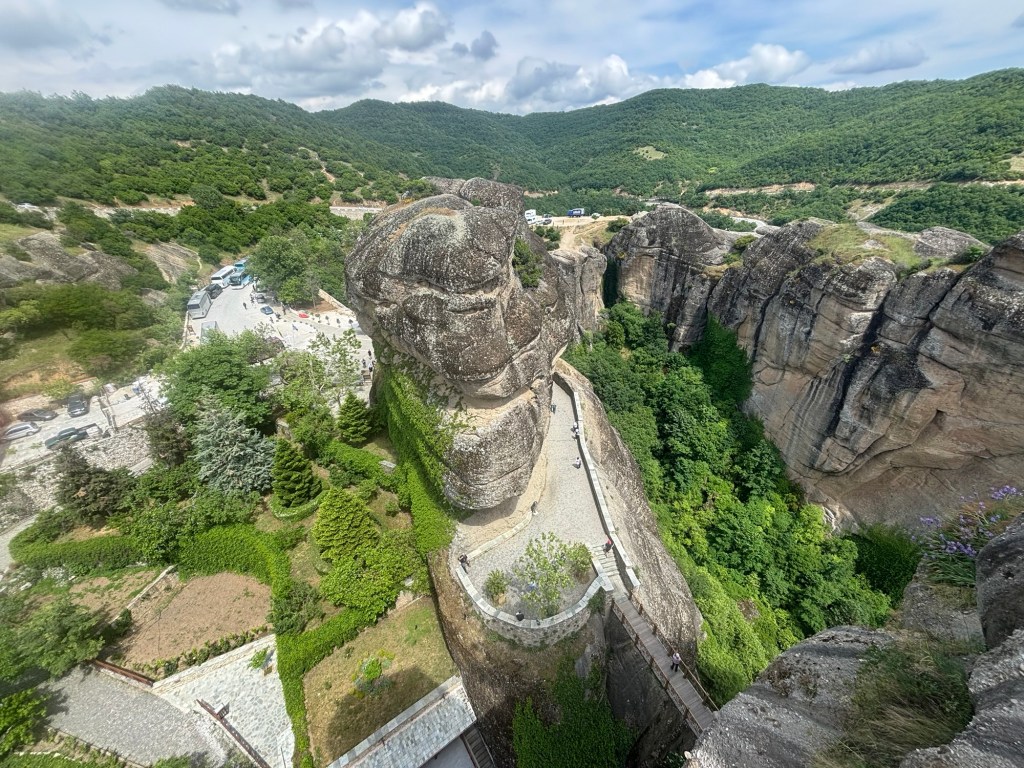
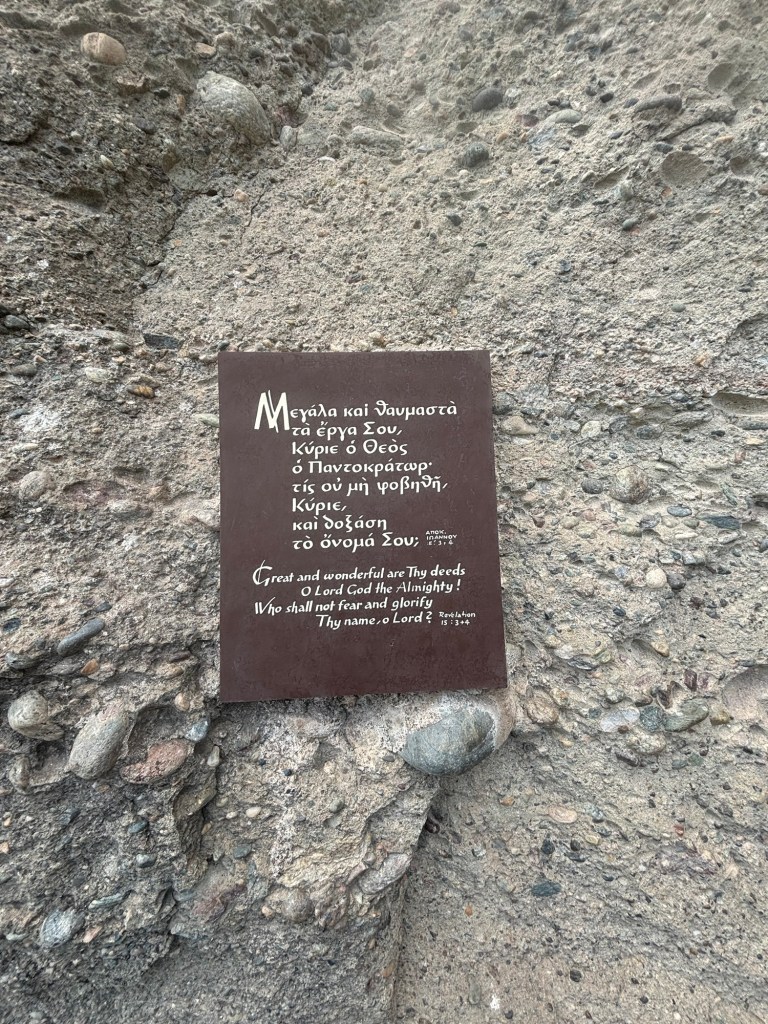
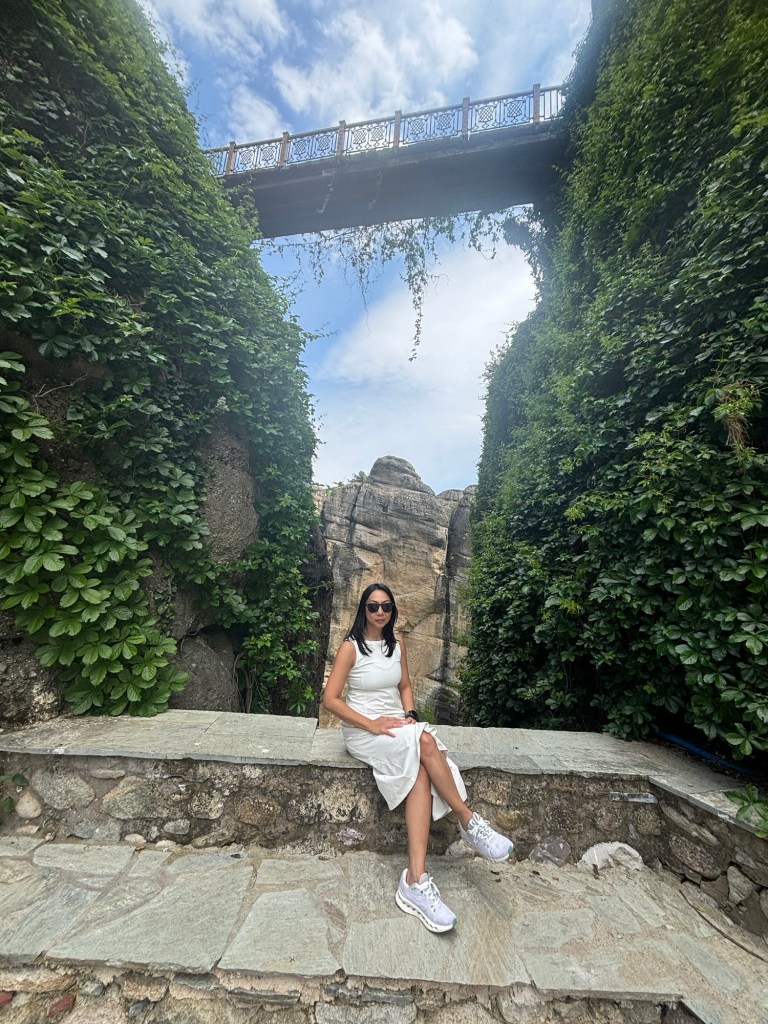
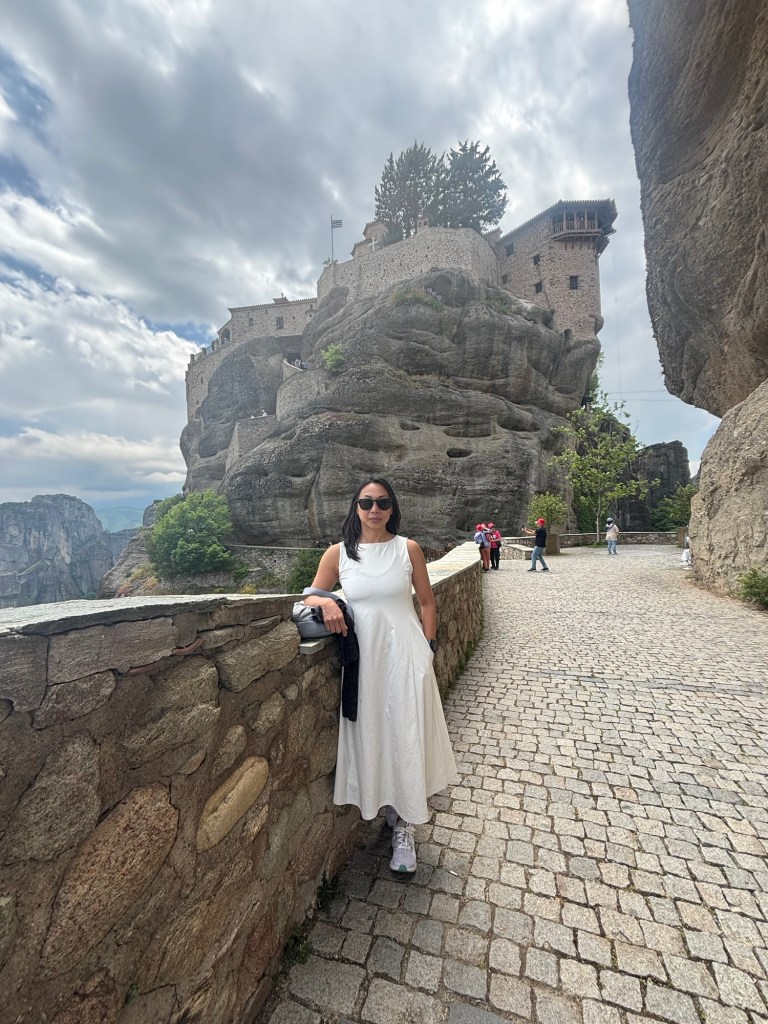
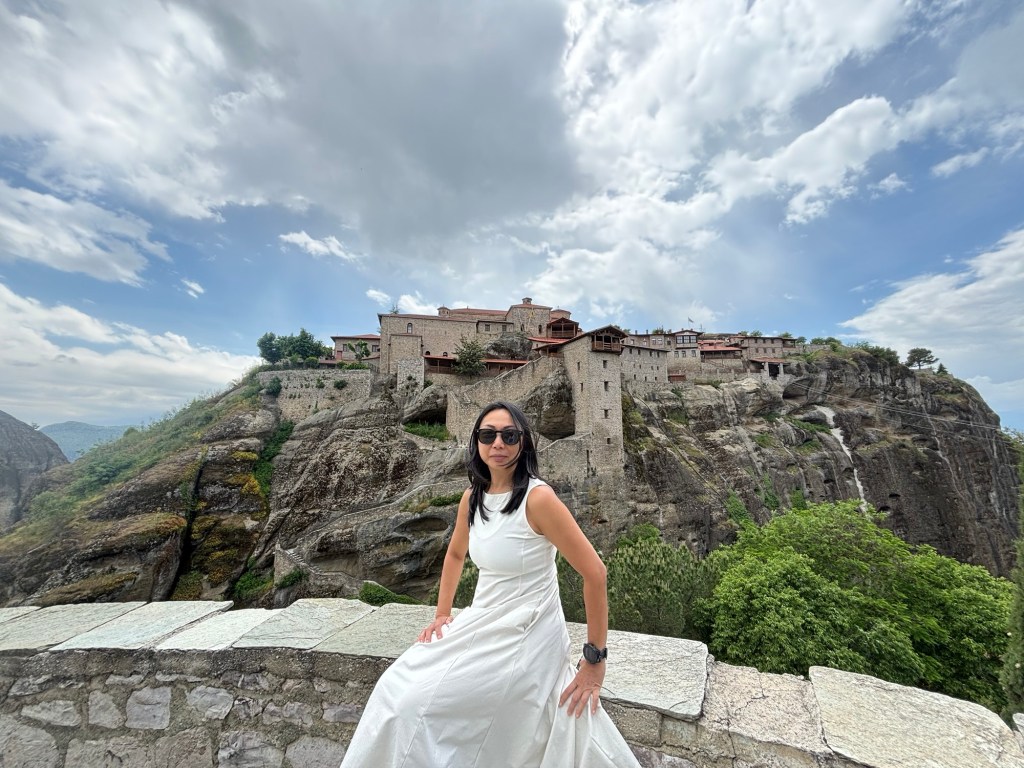
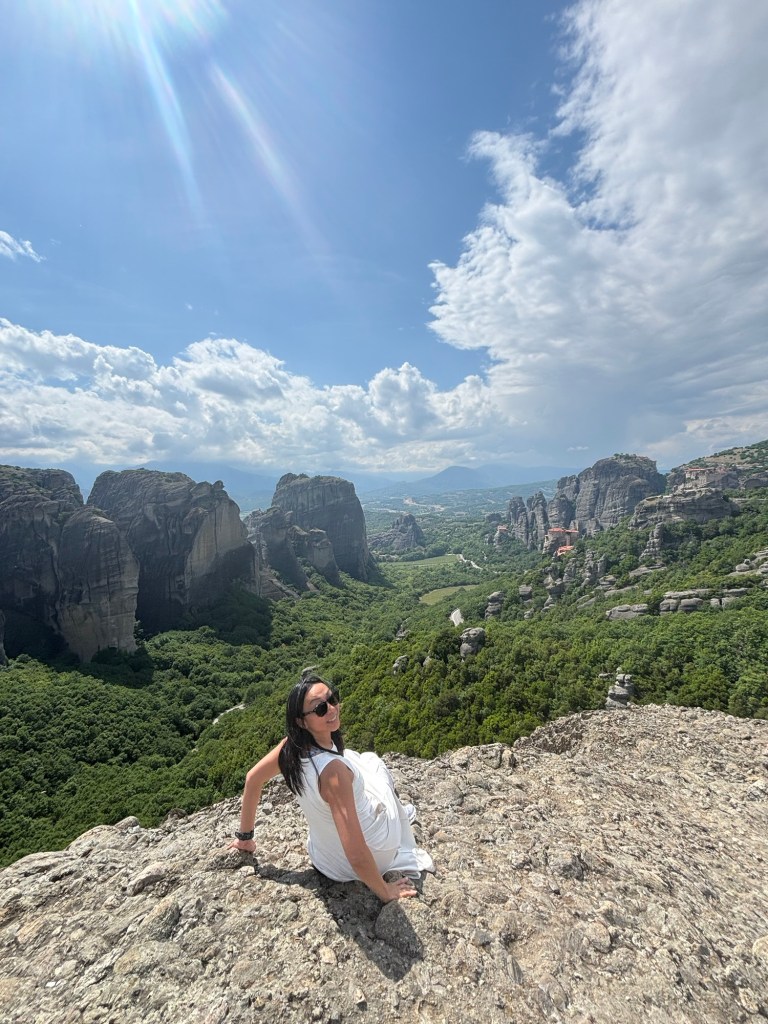


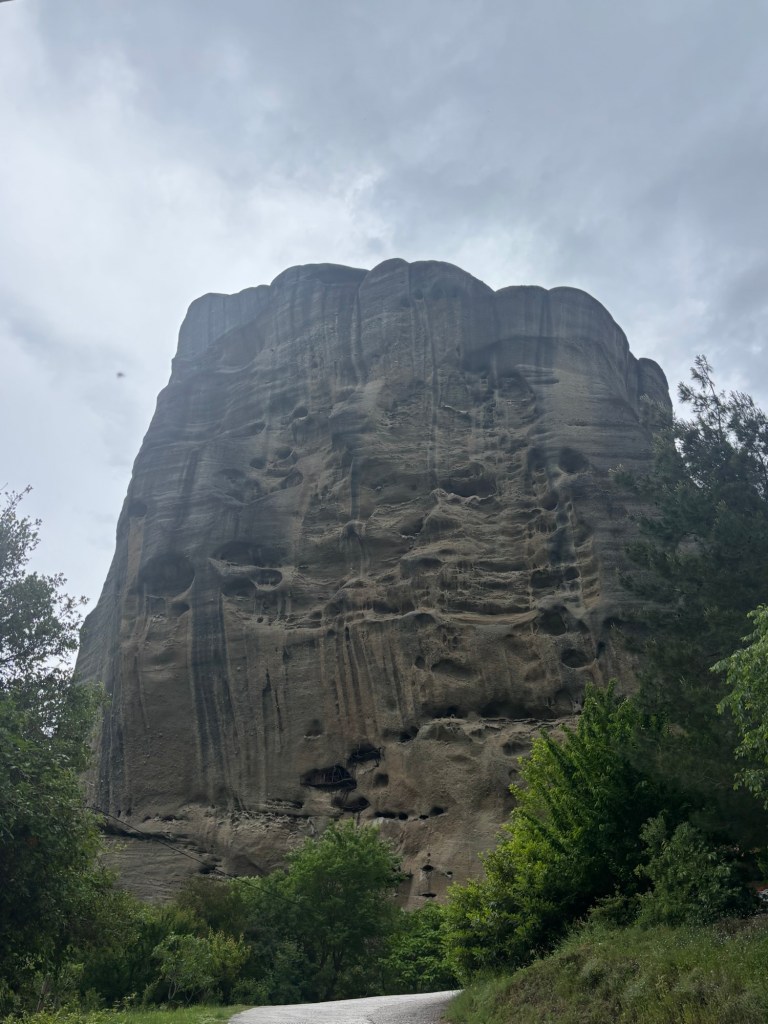
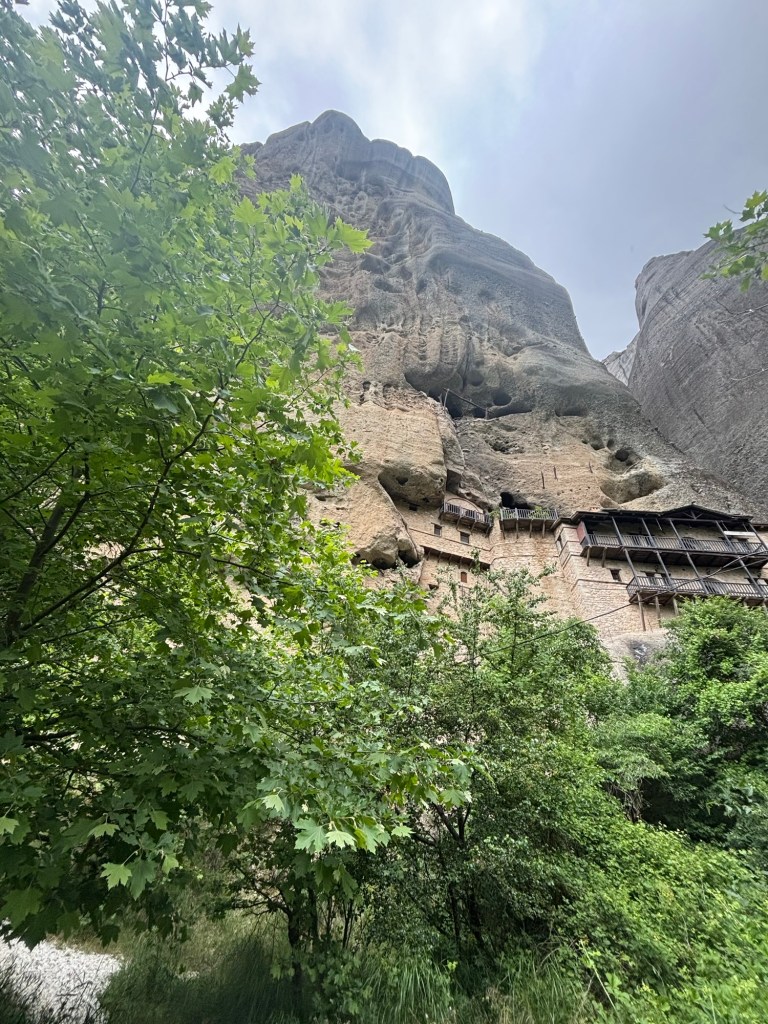
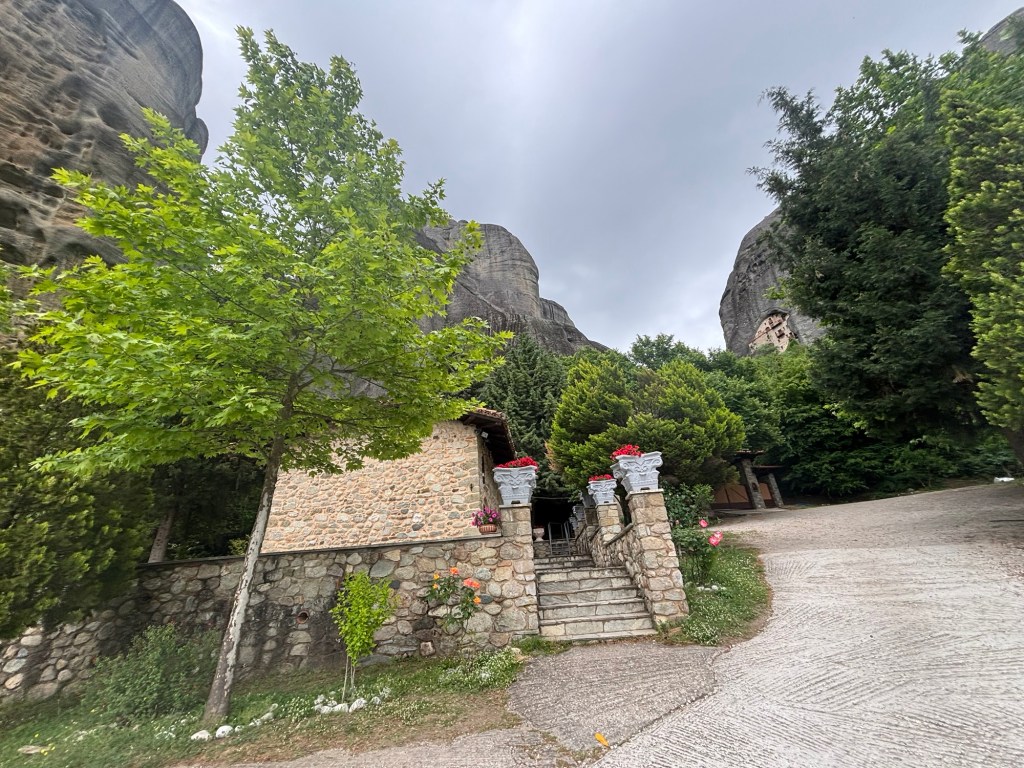

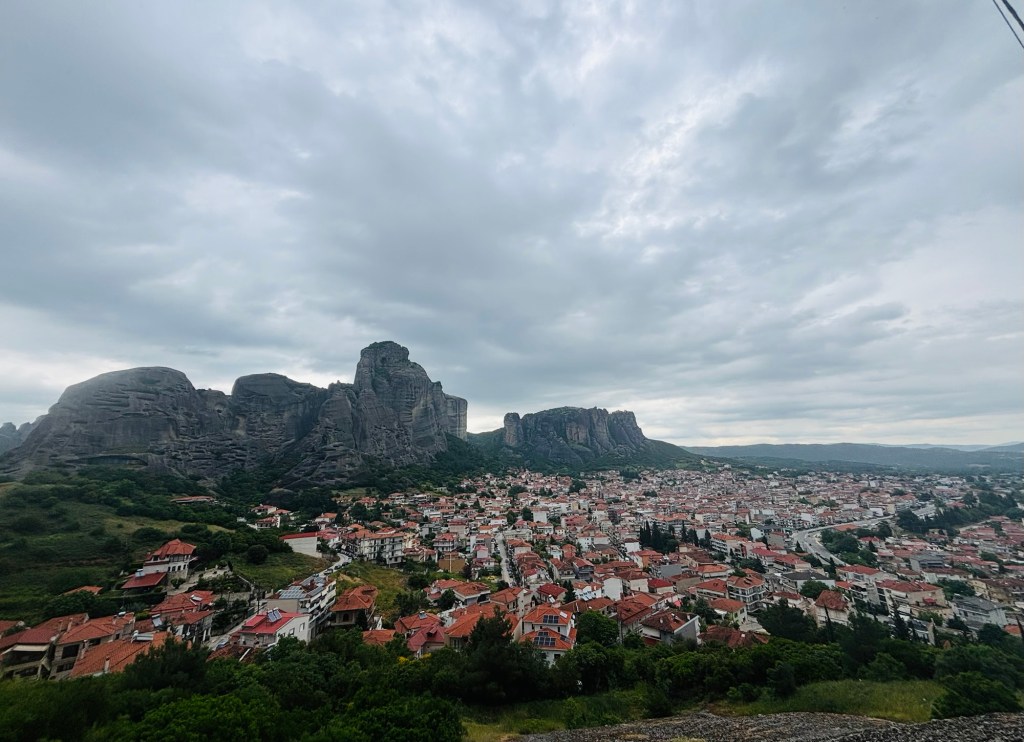
Declared a UNESCO World Heritage Site in 1988, Meteora is a masterpiece of natural wonder, architectural genius, and religious significance.
Being in Meteora felt like stepping into another world—visually stunning, spiritually moving, and historically rich.
Definitely a bucket list experience that stays with you long after you leave 🫶
 norhene